What are Diecast Scale Sizes
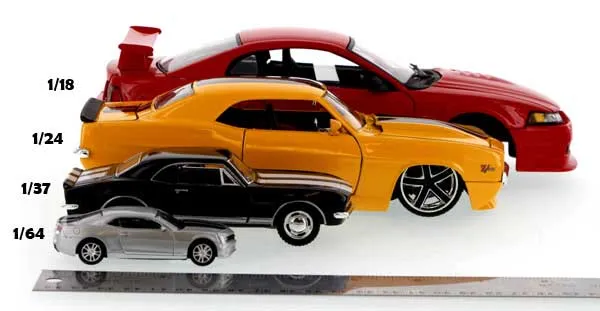
Diecast models have captivated collectors and enthusiasts for decades, offering a tangible way to appreciate automobiles, aircraft, and other vehicles in miniature. Understanding the different scale sizes is fundamental to enjoying this hobby. Scale sizes in diecast refer to the ratio between the model’s dimensions and the dimensions of the actual vehicle. This ratio is expressed as a fraction, where the denominator represents the number of times the real-life object is larger than the model. For instance, a 1 18 scale model is 1/18th the size of the original vehicle. The choice of scale greatly impacts the model’s detail, size, and, ultimately, its display and storage requirements. Different scales cater to various preferences, from the highly detailed and larger 1 18 models to the smaller, more affordable 1 64 models. This guide delves into the common diecast scale sizes, offering insights to help both novice and experienced collectors navigate the world of miniature vehicles with confidence and enjoyment.
Common Diecast Scale Sizes
Several scale sizes have become standard in the diecast model world, each offering unique characteristics and appeal. The most popular scales include 1 18, 1 24, 1 43, and 1 64, with others such as 1 12 and 1 87 also finding a niche among collectors. These scales are not arbitrary; they have evolved to balance detail, cost, and practicality. The choice of scale often depends on the collector’s interest, available display space, and budget. Larger scales, like 1 18, provide greater detail and allow for more intricate features. Conversely, smaller scales, like 1 64, are more compact and easier to accommodate in larger collections. Understanding these scales is essential for anyone looking to start or expand a diecast model collection. We’ll explore each of the most prevalent scale sizes in detail.
1 18 Scale

The 1 18 scale is a favorite among serious collectors due to its impressive detail and size. These models are approximately 1/18th the size of the actual vehicle, resulting in models that are typically between 9 to 12 inches long, depending on the car’s dimensions. This scale allows for a high level of detail, with many models featuring opening doors, hoods, and trunks, detailed engine compartments, and meticulously crafted interiors. The larger size also permits more intricate paint jobs, decals, and other realistic features. However, the 1 18 scale models require more display space and can be more expensive than smaller scales. Their presence makes a statement, often serving as a centerpiece in a collection. They offer a balance between detail and size, making them perfect for enthusiasts who appreciate a premium collecting experience. The detail present in 1 18 scale models often includes functional steering, detailed dashboards, and finely replicated wheels and tires, offering an immersive experience for collectors.
1 24 Scale
1 24 scale models strike a sweet spot between detail, size, and affordability. Being 1/24th the size of the original vehicle, these models are generally smaller than their 1 18 counterparts, making them more versatile for display in limited spaces. They still offer a significant level of detail, often including opening parts, detailed interiors, and accurate exterior features. The smaller size also makes them slightly more affordable. 1 24 scale models are a popular choice for those looking to build a diverse collection without needing a large display area. They often replicate specific car models with remarkable accuracy, attracting both casual enthusiasts and dedicated collectors. These models are also used for customizing and modifying, making them a versatile choice for hobbyists who enjoy tinkering with their collections. The balance of detail and cost-effectiveness makes the 1 24 scale models a top choice for both new and experienced collectors.
1 43 Scale
1 43 scale models represent a significant portion of the diecast market, offering a compact and highly collectible option. At 1/43rd the size of the original vehicle, these models are considerably smaller, making them ideal for collectors with limited space or those who prefer to amass a large collection without requiring extensive display areas. Despite their smaller size, many 1 43 models feature impressive detailing, with manufacturers employing advanced techniques to replicate intricate features. This scale is particularly popular for historical and racing car models, as it allows for a wide variety of vehicles to be collected without overwhelming the display space. The affordability and the extensive range of available models make the 1 43 scale a cornerstone for many diecast collections. Collectors often appreciate the ability to build a comprehensive collection within a manageable space, creating a detailed representation of automotive history.
1 64 Scale

1 64 scale is one of the most accessible and widely collected diecast scales, renowned for its affordability and variety. Being 1/64th the size of the original vehicle, these models are incredibly compact, perfect for both casual collectors and those looking to build a large, diverse collection. They are often found in toy stores and supermarkets, making them easy to acquire. While the smaller size limits the level of detail compared to larger scales, manufacturers have made significant advancements in replicating features, offering collectors surprisingly detailed models. The 1 64 scale is also popular for creating dioramas and custom projects. The sheer volume of different models available, along with their low cost, makes this scale an ideal starting point for new collectors or a complement to more specialized collections. They are perfect for those who enjoy the thrill of collecting a wide range of vehicles without significant financial investment or display space requirements. The scale also encourages collecting across eras and vehicle types.
Other Popular Scales
While 1 18, 1 24, 1 43, and 1 64 scales dominate the diecast market, other scales also have dedicated followings. 1 12 scale models, for example, offer an even greater level of detail than 1 18 models, although they are significantly larger and more expensive. They are often reserved for high-end collectible pieces. 1 87 scale, also known as HO scale, is popular among model railroad enthusiasts and offers a vast array of vehicles to complement railway layouts. These scales cater to niche interests and specific collecting preferences. The choice of scale often depends on the collector’s specific interests, display space, and budget. Exploring these alternative scales can open new collecting possibilities and allow collectors to specialize in particular vehicle types or time periods.
Factors Influencing Scale Size Selection
Several factors should be considered when selecting diecast scale sizes for your collection. The primary consideration is personal preference; what appeals to you visually and aesthetically? Do you prefer highly detailed, larger models, or do you value the ability to collect a broader range of vehicles? Display space is another critical factor. Larger scales require more room, both for individual models and for displaying the collection as a whole. Budget is also a significant consideration, as larger scale models tend to be more expensive. The availability of models in your preferred scale is another factor; some scales may have a wider selection of vehicles and manufacturers. Finally, consider the intended use of your collection; are you collecting for display, for play, or for customization? The answers to these questions will help you determine which scales best suit your needs and interests. Carefully weighing these factors will ensure that you select scales that provide the most enjoyment and satisfaction from your diecast collecting hobby.
Collecting and Displaying Diecast Models

Displaying diecast models is an art that enhances the appreciation of your collection. Consider the space you have available; shelves, display cabinets, and custom-built display cases are all options. Arrange your models in a way that is visually appealing, perhaps by theme, manufacturer, or scale. Lighting is also crucial; proper lighting can highlight the details of your models. Protecting your collection from dust and UV light is essential to preserve its value and appearance. Regular dusting and cleaning are recommended, and UV-protective display cases can prevent fading and damage. Rotating your display can also keep your collection fresh and engaging. Displaying diecast models allows you to share your passion with others and enjoy your collection to its fullest potential. Consider the use of dioramas or themed displays to create engaging presentations that tell a story and add visual interest.
Maintaining and Preserving Your Collection
Maintaining and preserving your diecast model collection is key to its longevity and value. Dust and dirt are the primary enemies; regular cleaning with a soft brush or cloth is essential. Avoid using harsh chemicals or abrasive cleaners that could damage the paint or details. Proper storage is also vital; store your models in a cool, dry place away from direct sunlight. Consider using display cases or storage boxes to protect your models from dust and damage. Handle your models with care; avoid touching the painted surfaces unnecessarily. If you plan to sell or trade your models, keeping the original packaging is a great advantage. With proper care and attention, your diecast model collection can provide years of enjoyment and potentially increase in value over time, ensuring that your investment in the hobby pays off in both personal satisfaction and financial appreciation.