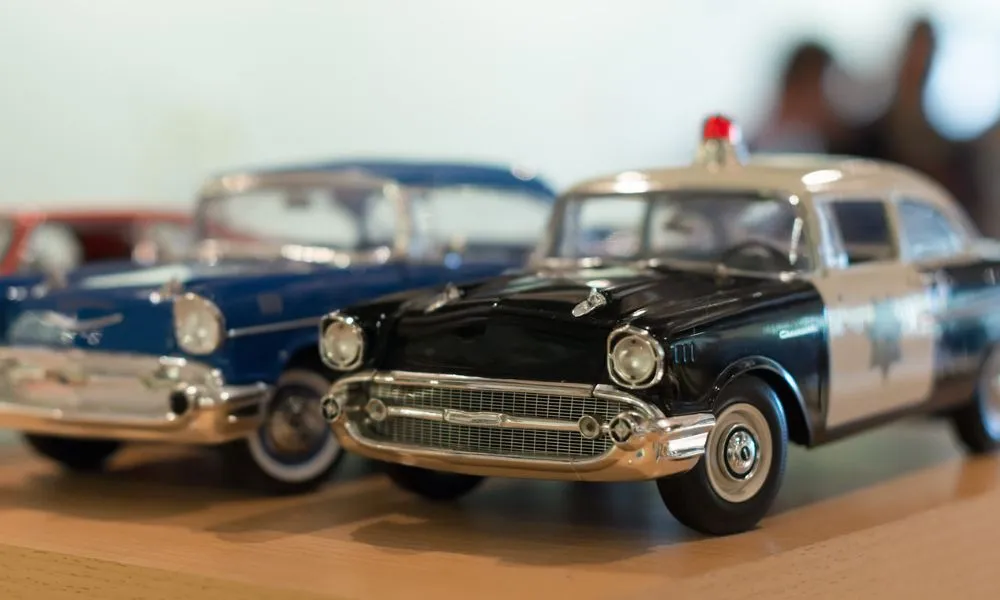
What are Resin Models and Diecast Models?
The world of scale model collecting offers a vast array of options, from intricately detailed miniatures to robust, play-friendly toys. Two of the most popular categories are resin models and diecast models. Both aim to replicate real-world vehicles but differ significantly in their construction, materials, and overall appeal. Understanding the nuances of each type is crucial for collectors and enthusiasts looking to expand their collections or find the perfect model for their needs. This guide will explore the key differences between resin and diecast models, helping you decide which is best for you.
Resin Models Definition
Resin models are crafted using a liquid resin that is poured into molds and cured. This process allows for highly detailed and intricate designs, often exceeding the capabilities of diecast manufacturing. These models are prized for their smooth surfaces, fine details, and the ability to replicate complex shapes. The resin material can capture every curve, angle, and feature of the original vehicle, making them a favorite among serious collectors seeking accuracy and realism. Resin models are typically considered higher-end collectibles, often produced in limited quantities, contributing to their value and exclusivity. They are admired for their visual appeal and represent a significant investment for those seeking the pinnacle of model car craftsmanship. In terms of material, resin is a type of polymer that hardens when mixed with a catalyst.
How Resin Models are Made

The production of resin models involves several detailed steps. First, a master model is created, often using CAD software and 3D printing to achieve the highest level of accuracy. This master model is then used to create molds, which are typically made of silicone. The liquid resin is carefully poured into these molds, and once filled, the molds are cured, usually with UV light or heat, causing the resin to harden. After curing, the model is carefully removed from the mold, and any excess material is trimmed and sanded to ensure a smooth finish. Finally, the model is painted and detailed by hand, a process that often involves multiple layers of paint and intricate decals to replicate the original vehicle’s appearance. The labor-intensive process and specialized materials contribute to the higher cost of resin models, but also ensure their exceptional quality and detail. Many modelers and manufacturers now focus on high-definition 3D printing and advanced molding techniques to capture every nuance of the original vehicle design (see resin-model-manufacturing.webp)
Diecast Models Definition
Diecast models, on the other hand, are manufactured using a process where molten metal (typically zinc alloys) is injected into molds under high pressure. This method allows for mass production and a more affordable price point compared to resin models. While diecast models may not always achieve the same level of intricate detail as resin models, they offer a robust and durable construction that makes them popular for both collectors and those who enjoy playing with their models. Diecast models are known for their weight, which adds to their realistic feel, and they often feature moving parts like opening doors, hoods, and steering wheels. Their wider availability and lower cost make them an excellent entry point into the world of model collecting. Diecast models have a rich history and have been a staple for many toy and collectible manufacturers for decades.
How Diecast Models are Made
The manufacturing of diecast models begins with the creation of metal molds, often made from steel. These molds are designed to withstand the high pressure and temperatures involved in the diecasting process. Molten metal, usually a zinc alloy, is injected into the molds, filling the cavities and taking the shape of the model. Once the metal cools and solidifies, the molds are opened, and the model is removed. Excess material, such as sprues and gates, is trimmed away, and the model undergoes a series of finishing processes, including cleaning, polishing, and painting. The painting process often involves multiple layers and meticulous detailing to replicate the original vehicle’s appearance. Many diecast models also feature functional parts like opening doors and hoods, enhancing the playability and collectibility of the models. The automated processes involved in diecast manufacturing make them suitable for mass production (see diecast-model-manufacturing.webp).
Resin Model vs Diecast Material Differences

Resin Material Properties
Resin is a thermosetting polymer, meaning it hardens permanently when cured. This material allows for a high level of detail and intricate designs. Resin models are known for their smooth surfaces and the ability to capture fine details, such as delicate trim, intricate grilles, and complex body curves. The material is lightweight, which contributes to their fragility. Resin is also susceptible to warping or cracking if exposed to extreme temperatures or direct sunlight. While resin is a durable material under normal conditions, it’s not as impact-resistant as diecast metal. The manufacturing process allows for great flexibility in design, allowing for models that would be difficult or impossible to create using diecast methods. In general, resin models are best handled with care to prevent any damage.
Diecast Material Properties
Diecast models are typically made of a zinc alloy, which provides a strong and durable construction. This material gives the models a solid feel and contributes to their weight. The weight and robust nature of diecast models make them more resistant to impacts and damage compared to resin models. The metal is also less susceptible to temperature-related issues. While diecast models may not always achieve the same level of intricate detail as resin models, the material offers a balance between detail, durability, and cost. Many diecast models also feature working parts, like opening doors and hoods, adding to their functionality. The material properties make diecast models popular for both collectors and for children to play with.
Resin Model vs Diecast Detailing and Accuracy

Detailing in Resin Models
Resin models are renowned for their superior detailing and accuracy. The manufacturing process allows for the replication of complex shapes and fine details that are challenging to achieve with diecast methods. This includes intricate body curves, detailed interiors, and finely crafted trim pieces. Resin models often feature photo-etched parts for added detail, such as grilles, badges, and windshield wipers. The level of detail can extend to the engine bay, wheels, and suspension, making these models highly accurate representations of their real-world counterparts (see resin-model-detail.webp). High-quality resin models often employ advanced techniques, such as hand-painting and meticulous decal application, to ensure a realistic appearance. The attention to detail is a major selling point for serious collectors who value accuracy and realism.
Detailing in Diecast Models
While diecast models may not always match the level of detail found in resin models, they still offer a high degree of accuracy. Advancements in diecasting technology have enabled manufacturers to create increasingly detailed models. These models often feature opening doors, hoods, and trunks, enhancing their realism and playability. Diecast models typically have detailed interiors and exterior features, such as headlights, taillights, and emblems. Many diecast models include realistic paint finishes and decals. The focus is often on providing a well-rounded and appealing model at an accessible price point (see diecast-model-detail.webp).
Resin Model vs Diecast Production Quality and Durability

Durability of Resin Models
Resin models, while offering superior detailing, are generally more fragile than diecast models. The resin material is susceptible to chipping, cracking, and warping if handled roughly or exposed to extreme temperatures. These models are best displayed in a controlled environment, away from direct sunlight and extreme heat. Collectors often take extra care when handling resin models. The focus is on preserving the model’s delicate features and preventing damage. Resin models are not typically designed for play, and their delicate construction makes them unsuitable for children. Proper storage and handling are essential to maintain their value and condition. Although resin models may be more fragile, their high level of detail and accuracy makes them highly desirable for serious collectors.
Durability of Diecast Models
Diecast models are known for their durability and robustness, making them a popular choice for both collectors and casual enthusiasts. The zinc alloy material is highly resistant to impacts and damage. Diecast models can withstand more handling and are better suited for display in environments where they might be exposed to greater risks. This durability makes them suitable for play and allows for greater flexibility in how they are displayed and stored. While they may not have the same level of detail as resin models, their durability makes them a practical choice for those who want a model that can withstand regular handling and occasional drops.
Resin Model vs Diecast Cost Comparison

Factors Affecting Resin Model Cost
Resin models typically command a higher price point than diecast models. This is due to several factors, including the labor-intensive manufacturing process, the use of specialized materials, and the limited production runs. The high level of detail, intricate designs, and hand-finished elements contribute to the increased cost. The exclusivity of resin models, often produced in limited quantities, also increases their value. Premium brands and detailed models can be significantly more expensive. Collectors see the higher price as an investment in a piece of art, appreciating the craftsmanship and attention to detail. The complexity of the design, including the number of individual parts, also influences the final price.
Factors Affecting Diecast Model Cost
Diecast models are generally more affordable due to their mass-production manufacturing processes. The use of less expensive materials and automation contributes to lower production costs. The availability of diecast models in larger quantities and across a wider range of brands keeps prices competitive. Simple designs and fewer moving parts can also lead to lower prices. While price can vary based on the brand, detail, and size of the model, diecast models offer a great entry point into the collecting hobby. The wider availability and lower prices make them a popular choice for beginners and those looking for more budget-friendly options.
Resin Model vs Diecast Collectibility and Rarity
Collecting Resin Models
Resin models are highly collectible, and their value can increase over time. The limited production runs and intricate details make them attractive to serious collectors. The rarity of certain models, especially limited editions or those from high-end brands, significantly increases their value. Collectors often seek out specific models to complete their collections, leading to a secondary market where prices can be quite high. The condition of the model, its packaging, and any accompanying documentation all contribute to its collectibility and value. Limited edition resin models are highly prized. Many resin models are considered investments, appreciating in value as time goes on (see resin-model-collection.webp).
Collecting Diecast Models
Diecast models are also highly collectible, with a wide range of models and brands to choose from. The accessibility and affordability make them popular among both novice and experienced collectors. Many collectors focus on specific brands, car types, or time periods, creating themed collections. The value of a diecast model can vary based on its rarity, condition, and historical significance. Vintage or limited-edition diecast models can be quite valuable. The sheer volume of diecast models available means there is a wide selection to choose from, catering to all collecting tastes. Diecast collecting often provides a great entry point to the hobby.
Advantages and Disadvantages of Resin Models
Advantages of Resin Models
- Superior Detailing Resin models allow for intricate designs and fine details that are often impossible with diecast methods.
- High Accuracy Resin can replicate complex shapes and features, resulting in highly accurate representations of real-world vehicles.
- Smooth Finish Resin models typically have smooth surfaces, enhancing their visual appeal and realism.
- Exclusivity Limited production runs and the use of specialized materials contribute to their exclusivity and collectibility.
- Lightweight Resin models are lightweight, making them easier to handle and display.
- Wide Variety Resin can be cast into almost any shape and is able to replicate the body lines of a model car
Disadvantages of Resin Models
- Fragility Resin models are more prone to damage from impacts and extreme temperatures.
- Higher Cost Resin models are generally more expensive due to the labor-intensive manufacturing process and specialized materials.
- Less Durable Resin is not as durable as diecast metal, making it less suitable for play.
- Limited Functionality Resin models typically have fewer functional parts, such as opening doors or hoods.
- Maintenance Resin models require special handling to prevent damage
Advantages and Disadvantages of Diecast Models
Advantages of Diecast Models
- Durability Diecast models are highly durable and can withstand rough handling.
- Affordability Diecast models are generally more affordable than resin models.
- Functionality Many diecast models feature functional parts, such as opening doors and hoods.
- Availability Diecast models are widely available, with a wide range of brands and models to choose from.
- Weight Diecast models have a solid feel and a weight that adds to their realism.
- Playability Diecast models are suitable for play, making them a good choice for children.
Disadvantages of Diecast Models
- Detailing Diecast models may not achieve the same level of intricate detail as resin models.
- Material The material does not always allow for as much detail as resin.
- Finish The paint and decals do not always meet the quality as resin
How to Choose Between Resin and Diecast Models
Choosing between resin and diecast models depends on your priorities as a collector or enthusiast. If you value superior detailing, accuracy, and are willing to invest more in a high-quality model, resin is the better choice. These models are ideal for display and are often considered investments. If you are looking for a more affordable and durable option that is suitable for handling and potential play, diecast models are an excellent choice. These models offer a balance between detail, durability, and cost. Consider your budget, your intended use for the model, and the level of detail you desire to make the right choice for your needs. Both resin and diecast models offer unique benefits and can be valuable additions to any collection. Both types of models are available across a wide range of scales, from small, highly-detailed models to larger display pieces (see resin-model-vs-diecast-intro.webp).
Ultimately, the best type of model depends on your individual preferences and collecting goals. Happy collecting!