Understanding Diecast Zinc and Its Properties
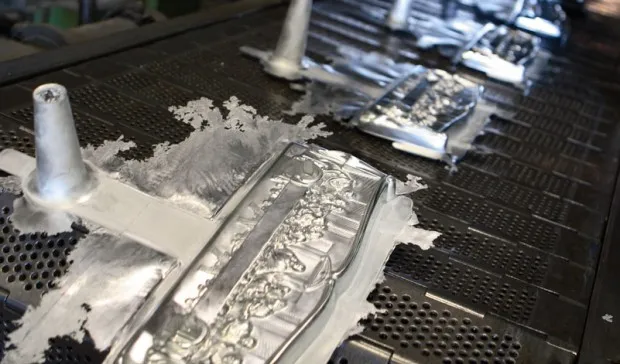
Diecast zinc is a popular choice for manufacturing various products due to its versatility, strength, and ability to take on intricate shapes. It’s a metal alloy that’s made by injecting molten zinc into a mold under high pressure. This process allows for the creation of complex designs with great precision. Understanding the properties of diecast zinc, such as its corrosion resistance and mechanical strength, is crucial for effective repair. This knowledge helps in selecting the right methods and materials for restoring the integrity of damaged zinc components. Additionally, the alloy’s relatively low melting point compared to other metals like steel makes it easier to work with in repair scenarios. This makes it a more accessible material for DIY enthusiasts looking to restore their beloved items.
What is Diecast Zinc?
Diecast zinc is an alloy primarily composed of zinc, along with small amounts of other metals like aluminum, magnesium, and copper. These additions enhance its properties, increasing its strength and corrosion resistance. This alloy is commonly used in a wide array of applications, including automotive parts, toys, and household hardware. Its ability to replicate fine details and its dimensional stability make it an ideal material for intricate designs. Furthermore, the die-casting process itself contributes to its widespread use, allowing for the rapid and cost-effective production of complex parts. Zinc’s recyclability is another factor that makes it an environmentally friendly choice, as scrap zinc can be readily remelted and reused, reducing waste and conserving resources. Knowing the composition of your specific diecast item can aid in selecting the best repair methods.
Common Problems in Diecast Zinc

Diecast zinc, despite its durability, can be susceptible to various damages over time. Some common problems include cracks, breaks, and corrosion. Cracks often occur due to stress, impact, or material fatigue, while breaks may result from accidental damage or excessive force. Corrosion, or the deterioration of the metal through chemical reactions, is frequently caused by exposure to moisture or harsh environments. Recognizing these issues early is key to preventing further damage and preserving the integrity of the item. Another common problem is the loss of small parts or features due to the brittleness of the alloy. In the context of restoration, these issues require careful assessment to determine the appropriate repair techniques. Early identification of these problems allows for a proactive approach to repair, minimizing the extent of the damage and ensuring the longevity of your diecast zinc components.
Tip 1 Assess the Damage
Before starting any repair work, a thorough assessment of the damage is essential. This involves carefully examining the diecast zinc item to identify the extent and nature of the damage. Are there cracks, breaks, or significant corrosion? Where are the points of failure, and how severe are they? A detailed inspection will inform your choice of repair techniques and materials. Consider the location of the damage and the stress points the item is subject to. This will influence the repair strategy. For instance, a small crack might be fixed with epoxy, while a significant break may require welding. Documenting the existing damage through photos or sketches can be useful for tracking progress and ensuring the effectiveness of the repair. Proper damage assessment sets the stage for a successful repair by providing a clear understanding of the challenges ahead.
Identifying the Extent of Damage
Carefully inspecting the diecast zinc is critical. Look for any visible cracks, paying attention to their length and width. Examine the item for any signs of breaks, which may require more complex repair strategies. Check for corrosion, which can manifest as a dull, pitted surface or the presence of white or gray residue. Probe for structural integrity; lightly press or flex the damaged areas to check for weakness. Measure the dimensions of any breaks or cracks to determine the amount of filler or welding needed. Identifying all damage ensures that you don’t miss any crucial areas that need attention. This complete assessment will guide you in making an informed decision about the best repair approaches. A comprehensive evaluation protects against future problems.
Tools and Materials for Assessment

The right tools and materials make the assessment process easier and more accurate. You’ll need a magnifying glass to examine fine cracks and corrosion. A ruler or calipers will help measure the size of damage precisely. A small brush or toothbrush can be used to remove loose debris, aiding in the assessment. A bright light source enhances visibility, allowing you to see any imperfections. If there are traces of rust, consider using a wire brush to remove them. Photographic equipment, such as a camera or a smartphone, will help document the damage before and after repairs. Prepare a notebook or notepad to document your findings, and make sure you wear safety glasses to prevent injury from any debris or particles. Preparing with the right tools facilitates a more effective evaluation.
Tip 2 Cleaning the Surface
Cleaning the surface is a crucial step in repairing diecast zinc, as it prepares the metal for the subsequent repair processes. Removing dirt, debris, and any existing coatings enhances the adhesion of repair materials such as epoxy or welding. A clean surface also makes it easier to assess the extent of the damage and identify any corrosion. Proper cleaning not only improves the effectiveness of the repair but also affects the final appearance of the restored item. The goal is to remove all contaminants that may interfere with the repair process. By investing time in this step, you significantly improve the likelihood of a durable and aesthetically pleasing restoration. This foundational step helps ensure the longevity and quality of the repair work.
Removing Dirt and Debris
Begin by removing any loose dirt, dust, or debris. A soft-bristled brush is ideal for this purpose, as it effectively removes surface contaminants without scratching the zinc. For more stubborn dirt, use a mild soap and water solution to gently scrub the area. Ensure that the soap is gentle to avoid any potential reactions with the metal. Rinse thoroughly with clean water to remove any soap residue, and then dry the surface completely. Compressed air can be used to blow away any remaining particles that may linger in crevices. Regular cleaning will eliminate any surface contaminants that may have built up over time. Remember to handle the diecast zinc with care during this process to avoid additional damage. The resulting clean surface will be ready for the next steps of your restoration process.
Degreasing the Diecast Zinc

Degreasing is crucial for ensuring proper adhesion of any repair materials, such as epoxy or paint. Use a suitable degreaser specifically designed for metals. Apply it according to the manufacturer’s instructions, usually by spraying or wiping it onto the surface. Allow the degreaser to sit for the recommended time to effectively dissolve any grease, oil, or grime. After degreasing, rinse the area thoroughly with clean water to remove any remaining degreaser residue. Ensure that the surface is completely dry before proceeding to the next step. Degreasing allows repair materials to bond securely with the zinc, which is critical for a lasting repair. Choose a degreaser that is gentle enough to avoid damaging the zinc but effective in removing all contaminants. The resulting surface is ready for the next stage of your repair process.
Tip 3 Repairing Cracks and Breaks
Repairing cracks and breaks in diecast zinc requires choosing the right technique based on the size and severity of the damage. For small cracks, using an epoxy adhesive may be the simplest and most effective solution. Larger breaks, however, may necessitate welding to restore structural integrity. Proper preparation of the surfaces is crucial for any repair. This includes cleaning, degreasing, and potentially roughening the surface to ensure good adhesion. The choice of materials must be appropriate for diecast zinc; specifically, the epoxy should be metal-compatible and the welding process should be suitable for zinc alloys. Always prioritize safety during any repair by wearing appropriate protective equipment like eye protection. Matching the repair method to the type of damage will help ensure the lasting quality and durability of the restored item.
Using Epoxy for Small Cracks
Epoxy is an excellent choice for repairing small cracks, as it’s easy to apply, durable, and provides a strong bond. Choose a two-part epoxy designed for metal repair. Prepare the surface by cleaning and degreasing the area around the crack. Lightly roughen the surface with sandpaper to improve adhesion. Mix the epoxy according to the manufacturer’s instructions, typically by combining the resin and hardener. Apply the epoxy to the crack, ensuring it fills the entire void. Use a tool, like a small spatula or a toothpick, to smooth the epoxy and remove any excess. Allow the epoxy to cure completely according to the manufacturer’s instructions. After curing, the epoxy can be sanded and painted to match the surrounding area. Properly applied epoxy will create a strong and virtually invisible repair.
Welding Techniques for Larger Breaks

For larger breaks, welding offers a more robust solution. Welding diecast zinc requires specific techniques and equipment suitable for low-temperature welding. Consider the use of a MIG welder or a soldering iron equipped with a zinc-specific solder. Before welding, clean and prepare the broken edges. V-groove the broken edges to provide more surface area for the weld. Use a zinc-based filler rod for the welding. Apply the heat carefully to prevent melting the surrounding material. Weld in short passes to avoid heat buildup and potential distortion. Let the weld cool completely before handling. After welding, grind the weld smooth. The correct welding technique provides durable and robust repairs for larger breaks, and returns the metal to its original strength and functionality. Consider seeking professional help if you are not familiar with metal welding.
Tip 4 Surface Finishing and Smoothing
Surface finishing and smoothing are essential steps to ensure a seamless and visually appealing repair of diecast zinc. After repairing cracks or breaks, you may need to address any imperfections, such as uneven surfaces or excess material. Sanding, grinding, and filling are techniques used to achieve a smooth, consistent finish. The goal is to blend the repaired areas with the original surface, creating an even appearance. Careful attention to detail during these steps is crucial to ensure the final product looks as good as new. The final result will be more aesthetically pleasing and the restored piece will look whole. The correct finishing procedure will result in a polished finish, and improved visual appeal.
Sanding and Grinding Techniques
Sanding and grinding are fundamental for refining the surface of the repaired diecast zinc. After the repair, use sandpaper with different grits to gradually smooth out any rough edges or excess material. Start with a coarser grit sandpaper, such as 80 or 120 grit, to remove the bulk of any imperfections. Progress to finer grits, like 220 or 320 grit, to refine the surface and create a smoother finish. Use a sanding block or a power sander to evenly distribute pressure. Grinding may be necessary for larger areas or more significant irregularities. When grinding, use appropriate safety gear, including eye protection. Always sand and grind in the direction of the original surface to avoid creating scratches or unevenness. Consistent sanding or grinding ensures the surfaces have a uniform appearance, providing the perfect base for the final finishing steps.
Filling Imperfections

Filling is important for addressing any remaining imperfections after sanding and grinding. If you have minor dents, scratches, or uneven surfaces, you can use a metal-compatible filler. Apply the filler carefully to the damaged area. Use a spatula or similar tool to spread the filler evenly. Allow it to cure completely according to the manufacturer’s instructions. Once the filler has cured, sand it with fine-grit sandpaper to match the surrounding surface. Ensure that the filled area blends seamlessly with the original zinc. If necessary, apply multiple thin layers of filler, sanding between each application, until you achieve a smooth, level surface. By meticulously filling and sanding, you ensure a flawless, ready-to-paint surface.
Tip 5 Painting and Protecting
Painting and protecting the repaired diecast zinc is the final step. It’s essential for restoring its aesthetic appearance and protecting the metal from future damage. Choosing the right paint and protective coatings is vital for ensuring durability and longevity. Preparing the surface correctly before painting will also improve the paint’s adhesion. Applying multiple coats of paint and sealant, in addition to a protective finish, will ensure a durable finish. The goal is to restore the look of the component, and to safeguard against environmental damage and enhance the life of the repaired component. Painting and protecting will result in a beautiful repair that lasts a long time.
Choosing the Right Paint
Choose a paint specifically designed for metal surfaces and suitable for zinc alloys. Look for paints with excellent adhesion, durability, and resistance to weathering and corrosion. Automotive paints or enamel paints are often good choices, offering both durability and a wide range of color options. Consider the item’s exposure to the elements. If the item will be exposed to outdoor conditions, select a weather-resistant paint. Before applying the paint, clean the surface thoroughly and prime it with a metal primer to improve adhesion and prevent rust. Read the manufacturer’s instructions carefully. Choose paints that match the original color or provide the desired finish, whether matte, satin, or gloss. The right paint helps ensure that the repaired area blends seamlessly with the original surface.
Applying Protective Coatings

Applying protective coatings adds an extra layer of defense against environmental factors. After the paint has completely dried, consider applying a clear coat sealant to protect the finish and enhance its durability. Clear coats are available in various finishes, allowing you to customize the appearance of the restored item. Apply the clear coat in multiple thin layers, allowing each layer to dry before applying the next. Regularly inspect the surface for any signs of damage or wear and tear. Reapply protective coatings as needed. Ensure the item is fully protected from potential damage and environmental conditions by using a protective coat, which maximizes its longevity.
Conclusion
Repairing diecast zinc can be a rewarding experience. By understanding the properties of the material, assessing the damage accurately, and following the right techniques, you can effectively restore damaged items and extend their lifespan. From assessing the extent of the damage, to cleaning the surface, to filling imperfections, to applying a protective coat, each step is crucial. Remember to choose the right materials and tools for each process. With patience and attention to detail, you can achieve professional-quality results and revive your diecast zinc items. The time and effort you invest in the repair will be well worth it. Restoring your items also adds to the longevity of our goods and reduces waste. So, the next time you face a damaged zinc diecast item, use these tips and try repairing it yourself!