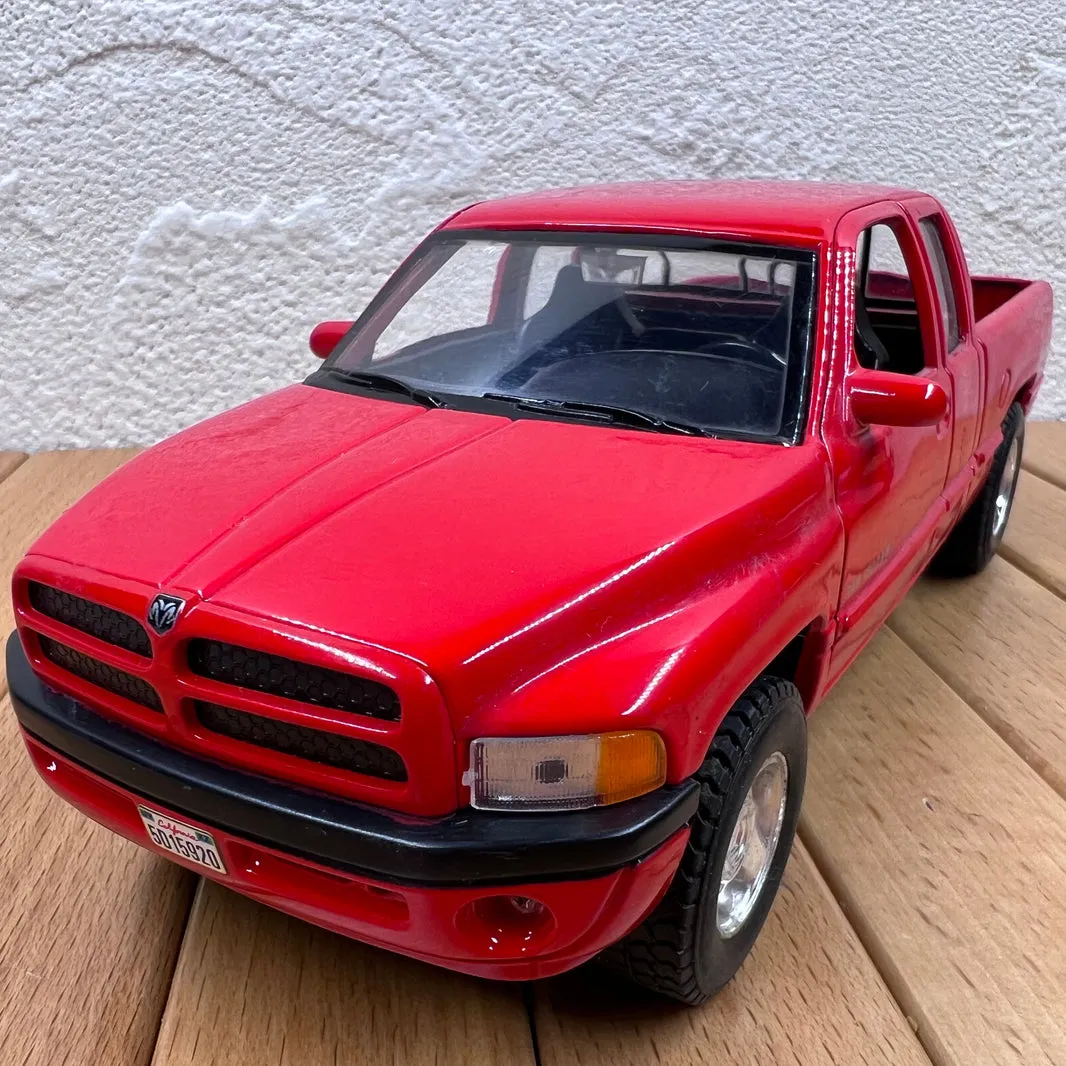
What are Metal Diecast Kits?
Metal diecast kits are intricate, scaled-down replicas of vehicles, aircraft, and other objects, constructed primarily from metal components. These kits offer a rewarding hobby for enthusiasts who enjoy hands-on projects and appreciate detailed craftsmanship. Unlike plastic model kits, metal diecast kits often feature higher levels of detail and a more robust construction due to the use of metal alloys. This results in a finished model that not only looks impressive but also possesses a satisfying weight and feel. The appeal of these kits lies in the challenge of assembling a highly accurate representation of a real-world object, providing a sense of accomplishment upon completion.
Why Build Metal Diecast Kits?
Building metal diecast kits is more than just a hobby it’s an experience. The process offers a welcome escape from the digital world, encouraging focus and mindfulness. The satisfaction of transforming a collection of parts into a miniature masterpiece is immense. It provides a sense of accomplishment and pride in creating something tangible with your own hands. Furthermore, the hobby promotes patience and attention to detail, skills that can be valuable in many aspects of life. The finished models can be displayed and treasured, serving as conversation starters and reminders of the time and effort invested in their creation.
Benefits of Metal Diecast Kit Building

The benefits of metal diecast kit building extend beyond the immediate satisfaction of completing a model. This hobby enhances fine motor skills, hand-eye coordination, and problem-solving abilities. It encourages a deeper understanding of engineering principles and design aesthetics. Building these kits can also be a stress-relieving activity, offering a calming and meditative experience. The finished models can be valuable collectibles, increasing in value over time, or simply cherished as unique displays of skill and passion. Ultimately, building these kits offers a fulfilling way to engage your creativity and build something truly remarkable.
Tools and Materials You’ll Need
Embarking on a metal diecast kit building project requires a few essential tools and materials to ensure a smooth and enjoyable experience. Gathering the right equipment will not only make the assembly process easier but will also improve the final result. Careful preparation is key to building any metal diecast kit. Having the right tools at your disposal will help the project be a success. Before starting, it’s a good idea to lay out all the pieces and identify each part, making sure nothing is missing. A well-equipped workspace will also help you keep everything organized and reduce the chances of losing any tiny parts.
Essential Tools for Metal Diecast Kits
A basic toolkit for metal diecast kit building should include a set of precision screwdrivers (Phillips and flathead), needle-nose pliers, and side cutters for handling small parts and trimming excess material. Fine-tipped tweezers are crucial for manipulating tiny components and applying decals. A hobby knife with replaceable blades is essential for removing parts from sprues and for making precise cuts. A cutting mat will protect your work surface and prolong the life of your hobby knife blades. You will also need some form of adhesive, either super glue or epoxy, to bond the metal pieces together, and a file or sandpaper to remove any imperfections.
Materials to Have on Hand

Beyond the tools, several materials are necessary. High-quality super glue, or epoxy, specifically designed for metal, is essential for bonding the kit parts. Acrylic or enamel paints, along with fine-tipped brushes, are needed for painting and detailing the model. A selection of different grades of sandpaper can smooth out surfaces and prepare them for painting. Decals, often included in the kit, can add realistic markings and details. A magnifying glass or a head-mounted magnifier can be incredibly helpful for working with small parts and intricate details, reducing eye strain and ensuring precision. Finally, consider using a dedicated workspace with good lighting and ventilation, especially if you plan to paint your model.
Choosing Your First Metal Diecast Kit
Selecting your first metal diecast kit can be exciting, but it’s crucial to choose one that aligns with your skill level and interests. Jumping into a complex kit right away can lead to frustration, so it is best to begin with a simpler project to learn the basic techniques. The goal is to enjoy the process and build a foundation for more complex projects. Reading reviews and watching online tutorials can help you anticipate the challenges and appreciate the final result.
Consider the Complexity Level
When choosing your first kit, carefully assess its complexity level. Most kits will indicate a skill rating, from beginner to expert. Start with a beginner-friendly kit that features fewer parts and straightforward assembly instructions. These kits typically have larger pieces and simpler designs, allowing you to master the fundamental techniques without feeling overwhelmed. Avoid kits that have many tiny parts or intricate details until you gain more experience. The idea is to build your confidence and skills gradually, allowing you to tackle more complex projects later.
Select a Model That Interests You

Choose a model that genuinely interests you. Whether it’s a classic car, a military vehicle, or an aircraft, your enthusiasm will keep you motivated throughout the building process. Research different models and brands to find a kit with good reviews and clear instructions. Consider the scale of the model, as larger scales often have fewer tiny parts and are easier to assemble for beginners. Check if the kit includes pre-painted parts or decals, which can simplify the finishing process. This will make the entire building experience more enjoyable.
Step-by-Step Assembly Guide
Assembling a metal diecast kit involves several steps that, when followed correctly, will result in a beautifully detailed model. Careful planning and methodical execution are essential for a successful build. Following the instructions, preparing the parts, and taking your time with each step will greatly improve your final product. The patience and precision you develop during the assembly process are key to achieving a professional-looking result. Remember, the journey of building is just as important as the finished product.
Preparing the Kit and Parts
Before you begin assembling your kit, take time to prepare all the parts. Carefully remove the parts from the sprues using side cutters or a hobby knife, taking care not to damage them. Clean up any excess material or imperfections with a hobby knife, file, or sandpaper. Organize the parts according to the instructions, often using a parts tray to keep them separated and easily accessible. Check the instructions carefully and make sure you understand the order of assembly. Dry-fit the parts together before gluing to ensure a proper fit and to identify any areas that may require adjustment.
Assembling the Main Components

Begin assembling the main components of the model, such as the chassis, body, and engine. Follow the instructions closely, applying glue sparingly and accurately. Use clamps or masking tape to hold parts together while the glue dries, ensuring proper alignment. Work in small sections, allowing each part to dry completely before moving to the next. Pay close attention to the details, such as how the pieces fit together. Check the model frequently throughout the process to ensure everything aligns as intended. Take your time and avoid rushing through this crucial stage.
Adding Details and Finishing Touches
Once the main components are assembled, focus on adding details and finishing touches. This includes attaching smaller parts like mirrors, lights, and emblems. Use precision tweezers to handle these tiny components and apply glue with a fine applicator. Paint the model and apply decals to add realistic markings and details. If desired, weather the model with washes and dry brushing techniques to create a more authentic appearance. Use a clear sealant or varnish to protect the model and enhance its finish. These final details will transform your model from a kit into a true masterpiece.
Common Mistakes to Avoid
Avoiding common mistakes will ensure a more successful and satisfying building experience. Many of the pitfalls can be prevented with careful planning and attention to detail. It’s important to be aware of potential issues and to take preventative steps to prevent them. From improper glue application to neglecting to clean parts, many common mistakes can be easily avoided by following the tips listed below.
Gluing and Alignment Errors

One of the most common mistakes is using too much glue or misaligning parts. Excess glue can seep out and damage the model, while misaligned parts can affect the overall appearance. To avoid these errors, use glue sparingly, applying it only where necessary. Dry-fit the parts before gluing to ensure proper alignment and use clamps or masking tape to hold the parts in place while the glue dries. Regularly check the alignment of parts throughout the assembly process to catch any issues early on.
Dealing with Small Parts
Small parts can be incredibly challenging to handle, especially if they are easily lost or damaged. Handle small parts with care using tweezers or precision tools. Work in a well-lit area and consider using a magnifying glass or head-mounted magnifier. Store the parts in a secure container to prevent them from getting lost. Keep a clean workspace, as clutter can make finding and handling small parts more difficult. Consider creating a parts map to keep track of which part goes where. Take your time and avoid rushing when dealing with small parts; this will minimize the risk of damaging or losing them.
Tips for Painting and Detailing
Proper painting and detailing are crucial for making your model stand out. Ensure the model is clean and free of dust or debris before painting. Use high-quality paints and thin them properly to avoid clogs and uneven finishes. Apply multiple thin coats of paint instead of a single thick coat, allowing each coat to dry completely before applying the next. Use masking tape to protect areas you don’t want to paint. Use fine-tipped brushes for detail work. Consider using washes and dry brushing techniques to add depth and realism to your model.
Where to Find Metal Diecast Kits
Finding metal diecast kits is easier than ever, thanks to the wide availability of online retailers and specialty shops. Researching various options can lead to a wide selection of models and brands. Understanding the different sources will make it simpler to find what you need, whether you are just starting the hobby or are an experienced model builder. Consider the selection, price, and any customer reviews. The following resources will help you find the models you are looking for.
Online Retailers and Specialty Shops
Online retailers offer a vast selection of metal diecast kits, often at competitive prices. Websites like Amazon, eBay, and dedicated hobby stores provide a wide variety of models from different manufacturers. Specialty shops, both online and brick-and-mortar, often carry a curated selection of high-quality kits and offer expert advice. Check for online reviews, compare prices, and consider the shipping costs. Local hobby shops are a great place to find kits and to meet fellow enthusiasts. They offer the opportunity to see the kits in person and can provide helpful advice and support.
Building Community and Resources
Joining a community and accessing helpful resources can greatly enhance your metal diecast kit building experience. Learning from others, sharing tips, and finding inspiration within a community can be incredibly rewarding. Accessing available guides, tutorials, and forums will make building more enjoyable. Connecting with other builders provides invaluable support and assistance for beginners and experienced modelers alike. This will allow you to share your work and learn from others, which will improve your skills and enjoyment of the hobby.
Join Online Forums and Groups
Join online forums and social media groups dedicated to metal diecast kit building. These communities provide a platform to share your work, ask questions, and learn from experienced builders. Participate in discussions, seek advice, and offer your expertise to others. Many forums feature tutorials, build logs, and galleries of completed models, providing valuable inspiration and guidance. Connecting with other builders can enhance your enjoyment of the hobby and help you improve your skills. Engage in online forums to stay connected to the metal diecast kit building world.