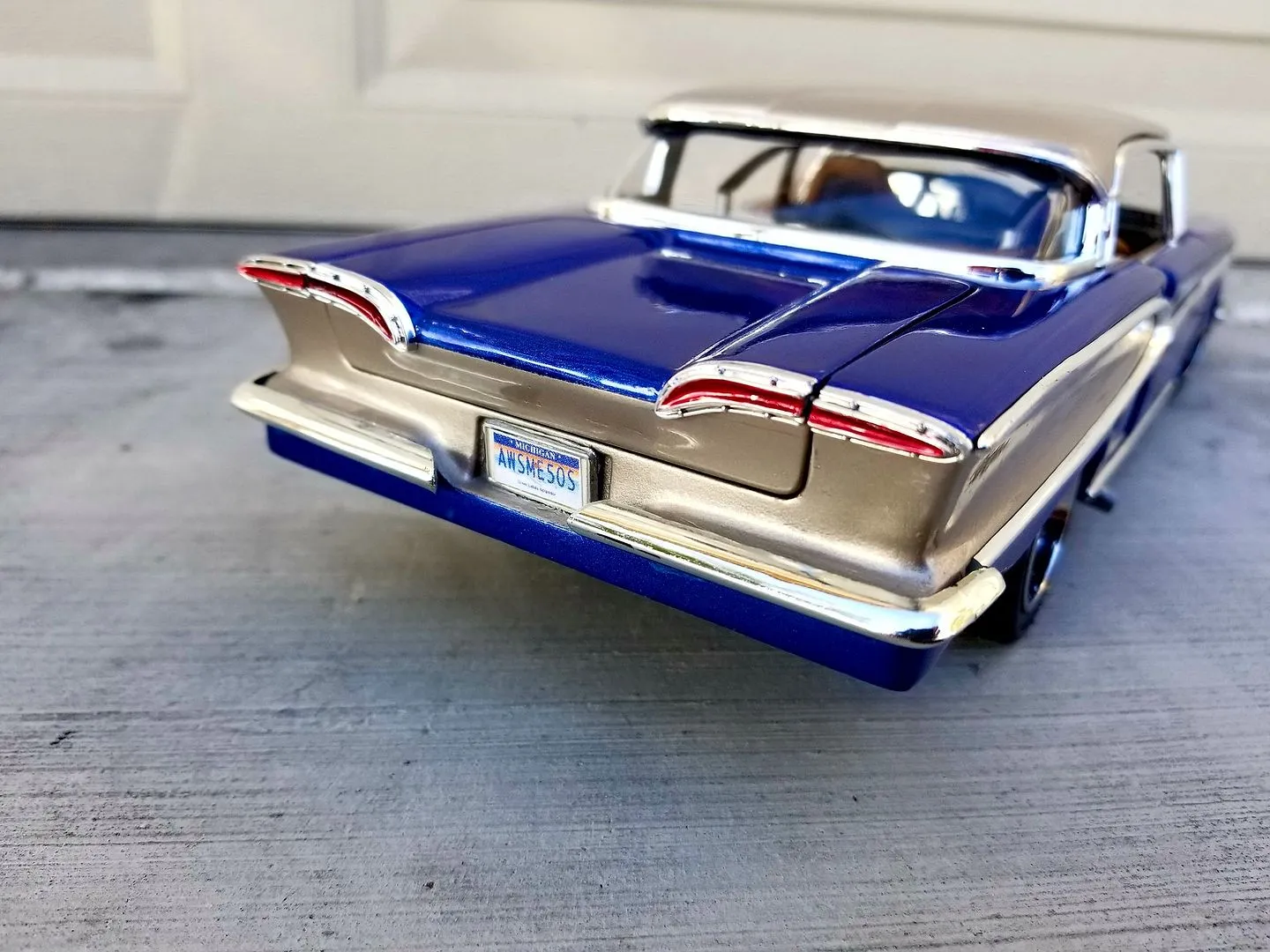
What is a Custom Diecast Car
A custom diecast car is a meticulously crafted miniature replica of a real-life vehicle, specifically modified or entirely created to your unique specifications. Unlike mass-produced diecast models, custom cars allow enthusiasts to bring their automotive dreams to life in miniature form. These creations can range from subtle modifications to complete overhauls, transforming a standard model into a personalized masterpiece. The process involves sourcing a base model or starting from scratch, then applying custom paint jobs, detailing, and sometimes even incorporating functional features. The level of customization is only limited by imagination and budget, making each custom diecast car a one-of-a-kind work of art. The final result is a highly detailed and personalized collectible that reflects the owner’s passion for cars.
Why Get a Custom Diecast Car
There are several compelling reasons to commission a custom diecast car. For many, it’s a way to own a miniature version of their dream car or a vehicle that holds sentimental value. Customization provides the opportunity to recreate a specific car from a particular year, with specific modifications, or even a car that no mass-produced model exists for. Moreover, custom diecast cars can be a fantastic way to celebrate special occasions, commemorate a specific event, or remember a beloved car that is no longer in their possession. It also opens up a world of creativity and allows for the expression of individual style and preferences. Owning a custom diecast car is a unique way to showcase your passion for automobiles and add a truly personal touch to any collection, making it a worthwhile endeavor for enthusiasts.
Different Types of Custom Diecast Cars

Custom diecast cars come in various forms, catering to different preferences and budgets. This variety allows for customization in different styles. The two primary categories are full and partial customization. Partial customization involves modifying existing diecast models, typically with paint, decals, and minor detailing changes. Full customization entails a complete transformation, potentially including body modifications, custom chassis, and entirely new parts. The choice often depends on the desired outcome and level of detail. There are also restoration projects where damaged models are brought back to their original glory or enhanced. Additionally, some customizers specialize in creating specific types of vehicles such as vintage race cars, movie cars, or even replicas of personal cars. The possibilities are vast, ensuring there is a custom diecast car for every enthusiast.
Full Customization
Full customization represents the pinnacle of personalized diecast car creation. This process begins with a base model or, in some cases, building from scratch. The model undergoes extensive modifications, including body reshaping, the addition of custom body kits, and the creation of entirely new components. The car might get a new engine or an interior tailored to the specifications. Full customization allows for extreme levels of detail, replicating unique features or recreating specific vehicles that exist in the real world. The full customization process takes longer and costs more because of its intensive labor. The end result is a truly unique, bespoke piece, a one-of-a-kind model that reflects the owner’s exact specifications and creative vision. This type of customization is for serious enthusiasts who desire the highest level of detail and personalization.
Partial Customization
Partial customization offers a more accessible entry point into the world of custom diecast cars. It generally involves modifying existing diecast models, enhancing the existing paint job or adding custom decals and detailed features. This process often includes adding custom wheels, changing the interior details, or modifying the exterior lights. The focus is on enhancing the original model, rather than a complete overhaul. The main advantage is its accessibility and the reduced costs and turnaround times. Partial customization is ideal for those looking to personalize their collection without the extensive investment required for full customization. It still allows for a high degree of creativity and the ability to create a unique and appealing model reflecting your preferences.
Finding a Diecast Car Customizer

The process of finding the right customizer is vital to bringing your diecast car dreams to life. The first step is to identify customizers who specialize in the type of model you are interested in. Consider the customizer’s portfolio. Look at their previous work and assess the quality of their craftsmanship, attention to detail, and overall aesthetic style. Next, research and read reviews to gauge their reputation, reliability, and customer service. Communication is key, so ensure the customizer is responsive, able to understand your requirements, and willing to provide regular updates. It is also important to discuss the pricing, turnaround time, and payment terms upfront. The perfect customizer is not just skilled but also professional and communicative, ensuring a smooth and enjoyable customization journey.
Online Marketplaces
Online marketplaces like eBay, Etsy, and specialized forums are excellent places to find custom diecast car builders. Many skilled customizers sell their work on these platforms, showcasing their skills and making them accessible to a wider audience. When searching on these sites, use relevant keywords to find custom builders. Carefully review the seller’s feedback and ratings to assess their reputation and quality of work. Contact the builders directly to inquire about their services, discuss your customization ideas, and understand their process. Online marketplaces offer convenience and a broad selection of customizers, but always exercise caution, and verify the seller’s credentials and reviews before making any commitments. These platforms facilitate communication and transactions, making it easier to find and commission a custom diecast car.
Specialized Customizers
Specialized customizers concentrate on specific types of diecast cars or customization techniques. They are known for their expertise and experience in particular areas of diecast car creation. These customizers may specialize in building vintage race cars, movie cars, or replicas of particular vehicle models. Finding a specialist ensures the customizer is familiar with the details, paint schemes, and specific design elements of the vehicle, resulting in higher quality and accuracy. Conduct a thorough search. Look for customizers with a portfolio that aligns with your vision. Examine their previous work, read reviews, and contact them to discuss your project. This ensures the customizer can deliver the level of detail and accuracy needed to create your ideal custom diecast car. Specialized customizers are more likely to possess the expertise to fulfill your specific needs.
Preparing Your Diecast Car Design

Before reaching out to a customizer, meticulous design preparation is essential. This phase ensures you have a clear vision of your desired end result and communicates your requirements accurately. Your preparation should start with your design ideas. Create a detailed plan or sketch of the car, including specific features, colors, and details. Gather a collection of reference materials, such as photos, blueprints, and color swatches, to illustrate the design. When communicating with the customizer, be prepared to provide these materials. The more information you provide, the better the customizer can understand and accurately execute your vision. Detailed preparation minimizes misunderstandings and helps guarantee the final product aligns perfectly with your expectations.
Choosing the Right Scale and Model
Choosing the right scale and model is a critical decision in your custom diecast car project. Popular scales include 1:18, 1:24, and 1:43, each offering different levels of detail and size. Consider the scale that best fits your display space and budget. The 1:18 scale offers a great balance between detail and size, while 1:43 is more compact and affordable. Next, select a suitable base model, ideally one that closely resembles your target vehicle or allows for easier modification. Research models and their availability. Consider the availability of aftermarket parts. A well-chosen base model simplifies the customization process. Your decision should consider both the aesthetic and practical aspects to ensure your finished car meets your vision and expectations.
Gathering Reference Materials
Gathering thorough reference materials is crucial for achieving an accurate and detailed custom diecast car. Collect as many photos of the target vehicle as possible. These images are essential for replicating the car’s paint scheme, decals, and other details. Search for high-resolution images from multiple angles. Look for blueprints or technical drawings, if available, to understand the car’s dimensions and design details. These resources are essential for achieving accuracy during customization. Collect color swatches or paint codes. These ensure the customizer can match the desired colors perfectly. Detailed reference materials minimize errors and guarantee the customizer understands and executes your design preferences.
Communicating Your Design Effectively

Clear and precise communication with your customizer is essential throughout the entire project. Prepare a detailed design brief or document that outlines all your requirements. Include all reference materials and clearly describe your vision. Provide the customizer with a detailed understanding of your design. Use sketches, diagrams, and any other visual aids to minimize misunderstandings. Maintain open and regular communication with the customizer. Ask questions, request updates, and address any concerns promptly. Be prepared to provide feedback. Effective communication ensures that the customizer understands your expectations and accurately executes the project. This collaboration is key to getting the custom diecast car of your dreams.
The Customization Process
The customization process involves a series of steps that transform a standard diecast model into a custom masterpiece. It requires precision, skill, and meticulous attention to detail. The process starts with preparation, followed by the painting and detailing phases, then the final assembly. Understanding each step in the customization process is important. You will gain insight into how your model will be transformed, ensuring transparency and quality. This overview will help you understand the time, resources, and skills involved, contributing to a more informed and satisfying experience.
Disassembly and Preparation
The first step in the customization process is disassembling the original diecast model. The customizer will carefully take the car apart, removing the body, chassis, interior, and other components. This prepares the model for modifications. Preparation involves removing the existing paint by sanding or chemical stripping. Any imperfections on the surface will be smoothed. The customizer may need to fill in gaps, modify body panels, or add custom features, depending on the design. The model is prepared for the paint job. The meticulous preparation ensures that the new paint adheres properly and that all modifications are seamlessly integrated, setting the foundation for a professional-looking finish.
Painting and Detailing

Painting and detailing is where the custom diecast car truly comes to life. The customizer applies several layers of primer, paint, and clear coat to the prepared model. The paint job requires careful application. The paint job must be flawless to achieve a realistic and professional look. Next, the customizer adds intricate details such as stripes, decals, emblems, and other graphics, using techniques such as hand-painting, airbrushing, or applying pre-made decals. The detailing phase also involves enhancing the interior, adding custom seats, dashboards, and other features. The customizer may choose to weather the model. The detailing process requires exceptional skill. Attention to detail ensures that your custom car accurately reflects the reference materials and design specifications.
Assembly and Finishing Touches
Once the painting and detailing are complete, the custom diecast car is carefully reassembled. The customizer puts the body, chassis, interior, and other components back together. The parts are reassembled with precision, ensuring all elements align properly. The wheels, tires, and any other custom-made features will be added during this phase. This includes adding clear windows and any other final touches. The customizer then conducts a final inspection to ensure that all parts are correctly in place. The assembly and finishing touches complete the transformation. The finished car must match the customer’s vision.
Inspecting and Receiving Your Custom Diecast Car
Receiving your custom diecast car is an exciting moment, but it is important to inspect it carefully before accepting it. The inspection phase involves reviewing the car for any imperfections. Examine the paint job, detailing, and assembly. Ensure the car matches the design specifications and meets your expectations. Check all the components for proper fit and finish. Make sure all the parts are securely attached. If you identify any issues, communicate them to the customizer immediately. If the model meets your expectations, sign off on the project and arrange for final payment. This thorough process ensures that you receive a high-quality custom diecast car that you will enjoy for years to come.
Pricing and Payment

Understanding pricing and payment terms is essential when commissioning a custom diecast car. Pricing depends on various factors such as the level of customization, complexity of the design, materials used, and the customizer’s experience. Discuss the costs. Request a detailed breakdown of the estimated costs. The customizer may offer a fixed price for the project or charge based on an hourly rate. Be sure to understand their payment terms. Customizers often require an initial deposit before beginning work, with the remaining balance due upon completion and approval of the car. Always establish a written agreement or contract. This agreement will outline the project scope, pricing, and payment schedule. Clear financial arrangements ensure transparency and avoid misunderstandings during the process.
Shipping and Insurance
Proper shipping and insurance are critical to protect your custom diecast car during transit. Discuss shipping options and costs with the customizer. Decide on the best carrier and shipping method. Custom diecast cars are delicate and can be damaged during shipping. The customizer should pack the model carefully to protect it. If possible, arrange for insured shipping. Insurance covers any loss or damage during transit. Always request a tracking number to monitor the shipment and ensure safe delivery. By taking these precautions, you can rest assured that your custom diecast car will arrive safely and in perfect condition.
Caring for Your Custom Diecast Car
Caring for your custom diecast car is important to maintain its beauty and value. Display your car in a location away from direct sunlight. Sunlight can fade the paint and degrade the materials. Clean your car gently with a soft cloth. Avoid using harsh chemicals. Store your custom diecast car in a controlled environment. Protect it from dust, moisture, and extreme temperatures. Handle your custom diecast car with clean hands. This will prevent fingerprints and smudges. By following these care instructions, you will keep your custom diecast car in pristine condition. Enjoy your custom diecast car for many years to come.
Displaying Your Custom Diecast Car
Displaying your custom diecast car is a rewarding way to showcase your unique collectible. Choose a display case or shelf. This protects your car from dust. Use a case that offers protection from UV rays. Arrange your cars attractively. Group them by type or theme. Consider using lighting to enhance the display. Use spotlights to highlight the details. Experiment with different arrangements. Displaying your custom diecast car is a way to enjoy and share your passion. Your custom model will make a great addition to any collection.
Storing Your Custom Diecast Car Safely
Proper storage is essential for preserving the condition of your custom diecast car. Store your car in a cool, dry place away from direct sunlight. Protect it from extreme temperatures and humidity. Consider using a dedicated storage case or container. Choose an acid-free container to protect the car’s paint. If storing in a display case, ensure the environment is controlled and protected from dust. Handle your car with clean hands. Regularly inspect your car. Proper storage extends the lifespan of your custom diecast car. When stored safely, your custom diecast car will maintain its value and appearance for many years.