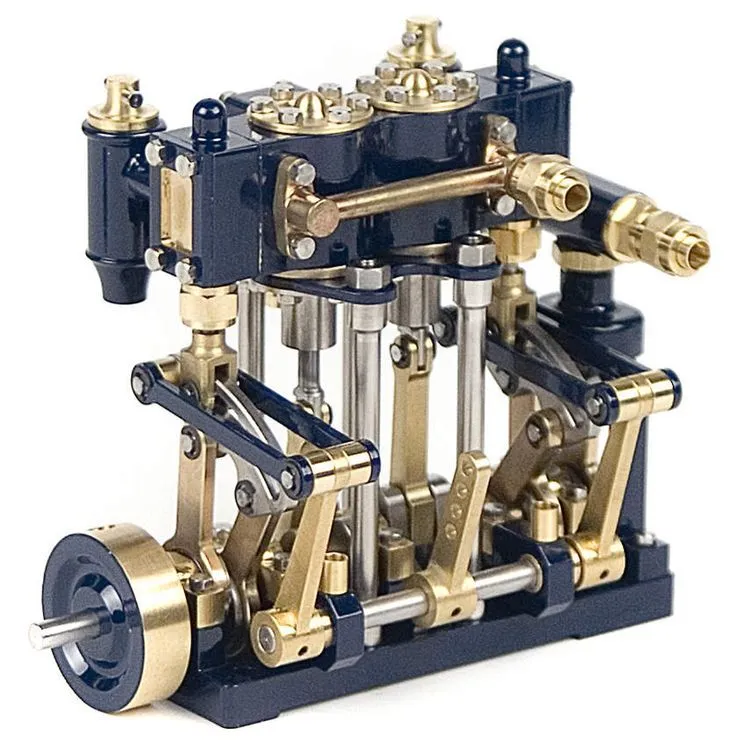
Diecast model steam engines represent a fascinating intersection of history, engineering, and the art of collecting. These meticulously crafted miniature replicas capture the grandeur and ingenuity of a bygone era, offering enthusiasts a tangible connection to the industrial revolution and the golden age of steam. Whether you’re a seasoned collector or a curious newcomer, the world of diecast steam engines offers a rewarding and engaging hobby. This guide will walk you through the essentials, helping you get started on your own journey into this captivating pastime.
What Are Diecast Steam Engines
Diecast steam engines are miniature models of steam engines, typically made from diecast metal, often zinc alloy, which is a process where molten metal is injected into molds to create intricate and durable parts. These models accurately replicate the appearance and often the functionality of full-sized steam engines. They range in size from small display pieces to more complex, functional models that can actually run, powered by steam or compressed air. The level of detail and craftsmanship varies widely, from simple, mass-produced models to highly detailed, limited-edition pieces aimed at serious collectors. Many diecast models feature working parts, such as pistons, flywheels, and valves, adding to their appeal and educational value. The diecast process allows for the creation of intricate designs and robust construction, making these models ideal for both display and occasional handling.
The Appeal of Diecast Models
The appeal of diecast models lies in several key aspects. First, they provide a tangible connection to history, allowing enthusiasts to appreciate the engineering marvels of the past. The intricate detail and realistic appearance of diecast steam engines offer a visual and tactile experience that is hard to replicate with other types of models. Collectors are drawn to the craftsmanship, the historical accuracy, and the opportunity to own a piece of miniature art. Furthermore, the robust construction of diecast models means they are built to last, often becoming cherished heirlooms passed down through generations. The collectibility of these models is also a significant draw, as limited editions and rare pieces can appreciate in value over time, adding an investment element to the hobby. The satisfaction of owning a well-crafted model, along with the social aspect of connecting with other collectors, further enhances the appeal.
Historical Significance

Steam engines played a pivotal role in the Industrial Revolution, powering factories, trains, and ships, and fundamentally reshaping society. Diecast model steam engines serve as miniature monuments to this transformative period. Each model represents a specific engine type, often based on historical designs from the 18th and 19th centuries. Owning and studying these models offers a deeper understanding of the technological advancements of the time, the evolution of engineering principles, and the impact of steam power on global progress. Collectors often research the history of the engines they own, learning about their designers, manufacturers, and the roles they played in various industries. This historical connection adds a layer of intellectual engagement to the hobby, making it both educational and enriching. The details on the models themselves, from the boilers to the pistons, can often be matched to real-life counterparts, providing a unique and tangible link to the past.
Why Choose Diecast
Diecast models offer a superior level of detail and durability compared to models made from other materials. The diecasting process allows for intricate designs and sharp details that are difficult to achieve with plastic or other materials. The use of metal also gives the models a satisfying weight and feel, enhancing their realism and collectibility. Furthermore, diecast models are generally more robust and resistant to damage, making them suitable for both display and occasional handling. This durability is particularly important for collectors who may want to pass their models down to future generations. The investment value is also a key factor, as quality diecast models often appreciate in value over time, making them a good choice for serious collectors. The wide range of available models, from early stationary engines to powerful locomotives, ensures that there is a diecast steam engine to suit every collector’s interest and budget.
Choosing Your First Diecast Steam Engine
Selecting your first diecast steam engine can be an exciting but potentially overwhelming experience. With a wide variety of models available, it’s essential to consider your interests, budget, and collecting goals. Start by researching different types of steam engines, such as stationary engines, locomotives, or marine engines. Decide which historical period or engineering style appeals to you most. Then, set a realistic budget, as the price of diecast models can vary significantly depending on the brand, detail level, and rarity. Consider the size of the model and the space you have available for display. Think about whether you want a model that is purely for display or one that can actually run. Finally, don’t hesitate to seek advice from experienced collectors or online forums. They can provide valuable insights and help you avoid common pitfalls. Choosing your first model should be a fun and informed process, setting you on the path to a fulfilling hobby.
Researching Different Models
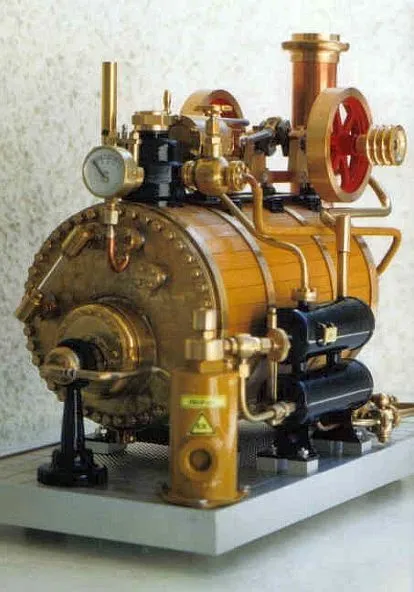
Thorough research is key before purchasing your first diecast steam engine. Start by exploring different manufacturers and their reputation for quality and detail. Look for reviews and feedback from other collectors. Investigate the historical accuracy of the model, comparing it to original engine designs and specifications. Understand the scale of the model, as this will affect its size and the level of detail. Many models are produced in standard scales like 1:16, 1:24, or 1:32, which help collectors to compare them easily. Research the specific features of the model, such as whether it has moving parts, is functional, and what materials are used. Pay attention to the availability of spare parts, in case any repairs are needed. Consult books, online resources, and collectors’ communities to gain a deeper understanding of the models you’re considering. This research will help you make an informed decision and ensure you select a model that meets your expectations and collecting goals.
Key Features to Look For
When examining diecast steam engines, pay close attention to several key features. Look for models with a high level of detail, including accurately replicated boilers, pistons, flywheels, and other components. Check for smooth, clean castings with no imperfections or rough edges. The paintwork should be even and well-applied, with realistic colors and finishes. Functional models should have smooth-operating mechanisms, such as working pistons and valve gears. The presence of realistic detailing, such as hand-painted accents or simulated weathering, can significantly enhance the model’s appeal. Consider the materials used; while diecast metal is standard, some models may incorporate other materials like brass or wood for added authenticity. Assess the model’s scale accuracy, comparing it to reference materials to ensure that it represents the real engine faithfully. Finally, review the model’s overall build quality and how well the various components fit together. The best models will exhibit a high degree of craftsmanship and attention to detail.
Scale and Size Considerations
Scale and size are crucial factors when choosing a diecast steam engine, affecting both the appearance and the display of your model. Common scales include 1:16, 1:24, and 1:32, among others. The scale determines the relationship between the model’s dimensions and the dimensions of the real-life engine. Larger scales, like 1:16, offer more detail but require more display space. Smaller scales, such as 1:64, are more compact but may sacrifice some detail. Consider the size of your display area and the space you have available. Think about how the model will fit in with your existing collection, if you have one. Determine the type of engine you want, as locomotives tend to be larger than stationary engines. Remember that the scale affects more than just the size; it also influences the level of detail and the complexity of the model. Choose a scale that suits your preferences and the available space, ensuring that the model looks great on display.
Where to Buy Diecast Steam Engines

Finding the right place to purchase diecast steam engines is an essential step in building your collection. The availability of models varies depending on your location, but several avenues are typically available to collectors. Online retailers offer a vast selection and often provide competitive prices, allowing you to compare different models easily. Specialty shops and dealers, particularly those specializing in model trains and collectibles, can offer expert advice and a curated selection of high-quality models. Auctions and collectibles fairs are excellent venues to find rare or vintage models, but require some knowledge of the hobby and careful evaluation of the items offered. Consider the reputation of the seller, the condition of the model, and any shipping or return policies. Whether you prefer the convenience of online shopping or the personal touch of a local shop, exploring various options will help you locate the best models for your collection and at the right price. (See Image: diecast-steam-engine-online)
Online Retailers
Online retailers provide a convenient and extensive marketplace for diecast steam engines. Major online platforms, like Amazon and eBay, offer a vast selection of models from various sellers. Specialized online shops, dedicated to model trains and collectibles, often feature more curated selections and may offer more detailed product information and expert advice. Advantages of online retailers include the convenience of shopping from home, the ability to compare prices from multiple sellers, and access to a wider range of models than might be available locally. Ensure that you deal with reputable sellers, check the seller’s feedback ratings, and review the product descriptions and photographs carefully before making a purchase. Be aware of shipping costs and return policies. Online retailers often provide detailed product descriptions and allow you to read reviews from other customers. Utilizing online resources is a safe and simple way to start.
Specialty Shops and Dealers
Specialty shops and dealers offer a more personalized shopping experience for diecast steam engines. These establishments often have a deeper understanding of the hobby, providing expert advice and assistance to collectors. They may carry a curated selection of high-quality models, including rare and limited-edition pieces. Visiting a specialty shop allows you to examine the models in person, assess their detail, and ask questions about their history and features. Dealers can often provide valuable insights and help you navigate the complexities of collecting. Additionally, many specialty shops offer repair and maintenance services, ensuring that your models remain in excellent condition. If you are new to the hobby, talking to a specialist shop employee can be an invaluable experience. (See Image: diecast-steam-engine-beginner)
Auctions and Collectibles Fairs

Auctions and collectibles fairs can be exciting venues for acquiring diecast steam engines, offering opportunities to find rare or vintage models at potentially competitive prices. Auctions may be held online or in person, and require careful research and bidding strategies. Collectibles fairs bring together vendors from across the region, providing a wide selection of models for sale. When participating in auctions or attending collectibles fairs, it is crucial to inspect the models carefully, paying attention to their condition and any signs of wear or damage. Understand the bidding process and set a budget to avoid overspending. Research the value of the models beforehand to determine fair prices. Consulting with experienced collectors or experts can help you assess the authenticity and quality of the models offered. These events can be great places to meet other people who enjoy the hobby.
Caring for Your Diecast Steam Engine
Proper care and maintenance are essential to preserving the beauty and value of your diecast steam engines. Regular cleaning prevents dust and grime from accumulating on the models, which can damage the paintwork and intricate details. Proper storage helps protect the models from environmental factors, such as sunlight and humidity, that can cause fading or corrosion. By implementing these simple steps, you can ensure that your collection remains in excellent condition for years to come. Proper care not only protects your investment but also enhances your enjoyment of the hobby, allowing you to appreciate the fine craftsmanship of your diecast models. (See Image: diecast-steam-engine-cleaning)
Cleaning and Maintenance Tips
Regular cleaning is a crucial part of maintaining your diecast steam engines. Use a soft, lint-free cloth or a specialized model cleaner to gently wipe away dust and dirt. Avoid using abrasive cleaners or harsh chemicals that could damage the paint or delicate parts. For more detailed cleaning, use cotton swabs or soft brushes to reach tight areas, such as around pistons or valves. Lubricate moving parts, such as axles and gears, with a suitable model lubricant to ensure smooth operation. Inspect your models regularly for any signs of rust or corrosion, and address them promptly to prevent further damage. Store your models in a cool, dry place away from direct sunlight to prevent fading and damage. A well-maintained model will continue to look its best and preserve its value.
Proper Storage Techniques

Proper storage is vital for protecting your diecast steam engines from damage and preserving their condition. Store your models in a cool, dry place away from direct sunlight, which can cause paint to fade or materials to degrade. Consider using display cases or protective boxes to shield the models from dust and accidental impacts. If you plan to store models for an extended period, wrap them individually in acid-free tissue paper to prevent scratches and protect their finishes. Avoid storing models in attics or basements, where temperature and humidity fluctuations can be extreme. Regularly inspect your storage area for signs of moisture or pests, which can damage your collection. Proper storage not only protects the physical integrity of your models but also helps to maintain their value over time.
Displaying Your Collection
Displaying your diecast steam engine collection is a key part of enjoying the hobby, and it allows you to showcase your models and appreciate their craftsmanship. Use display cases to protect the models from dust and accidental damage. Arrange the models in a way that highlights their features and allows for easy viewing. Consider grouping models by type, manufacturer, or historical period to create an organized and visually appealing display. Use lighting to accentuate the details of the models, but avoid direct sunlight. Regularly clean your display area and dust the models to keep them looking their best. Whether you choose a simple shelf or an elaborate display cabinet, the presentation of your collection is a reflection of your passion for the hobby. (See Image: diecast-steam-engine-display)
Building a Diecast Steam Engine Collection
Building a diecast steam engine collection is a rewarding journey that combines history, engineering, and the thrill of the hunt. Start by establishing a clear focus for your collection, such as a specific type of engine, historical period, or manufacturer. Set a realistic budget to guide your purchases and avoid overspending. Research different models, brands, and historical backgrounds to deepen your knowledge and enhance your appreciation for the hobby. Attend model shows, join collectors’ clubs, or participate in online forums to connect with other enthusiasts and learn from their experiences. Over time, your collection will grow, reflecting your evolving interests and expertise. The most important thing is to enjoy the process and derive satisfaction from the discovery and acquisition of these remarkable miniature works of art. (See Image: diecast-steam-engine-collection)
Setting a Budget

Setting a budget is a crucial step in building a diecast steam engine collection, ensuring that you can enjoy the hobby responsibly and avoid financial stress. Determine how much you can comfortably spend on models each month or year. Research the average prices of the models you are interested in to gain an understanding of the market. Prioritize your purchases based on your collecting goals and the availability of models. Consider factors such as rarity, condition, and historical significance when evaluating the value of a model. Keep track of your spending to stay within your budget and avoid impulsive purchases. Over time, your budget may evolve as your collection grows and your knowledge of the hobby increases. Setting a budget will make the process of collecting more enjoyable and less stressful.
Tracking Your Collection
Tracking your diecast steam engine collection is essential for managing your assets, organizing your display, and understanding the value of your investment. Create a detailed inventory of your models, including information such as the manufacturer, model number, scale, date of purchase, and purchase price. Maintain a record of the condition of each model, noting any damage or repairs. Take photographs of each model to document its appearance and condition. Use a spreadsheet, database, or specialized collection management software to organize your information. Regularly update your inventory as you acquire new models or sell items from your collection. Tracking your collection allows you to keep an accurate record of your holdings, appreciate your investment, and stay organized.
Connecting with the Community
Connecting with the diecast steam engine community is a great way to share your passion, learn from other enthusiasts, and enhance your collecting experience. Join online forums and social media groups to interact with fellow collectors, share your collection, and discuss the latest models and collecting trends. Attend model shows and conventions to meet other enthusiasts and view their collections. Participate in discussions, ask questions, and offer advice to other collectors. Building relationships with other collectors can provide valuable insights, help you locate rare models, and enhance your enjoyment of the hobby. By connecting with the community, you’ll discover new information, expand your network, and find a deeper sense of belonging to the diecast steam engine community. (See Image: diecast-steam-engine-community)
Conclusion

Getting started with diecast steam engines is an exciting journey. The world of diecast steam engines offers a unique blend of history, engineering, and the joy of collecting. This guide has provided the essentials for beginners. From understanding what diecast steam engines are, to choosing your first model, and caring for your collection, you now have the knowledge to embark on this rewarding hobby. Remember to research different models, set a budget, and connect with the collecting community. With the right approach, you can build a valuable collection, enhance your knowledge of history, and enjoy the satisfaction of owning these beautiful miniature replicas. Embrace the adventure and enjoy the world of diecast steam engines!