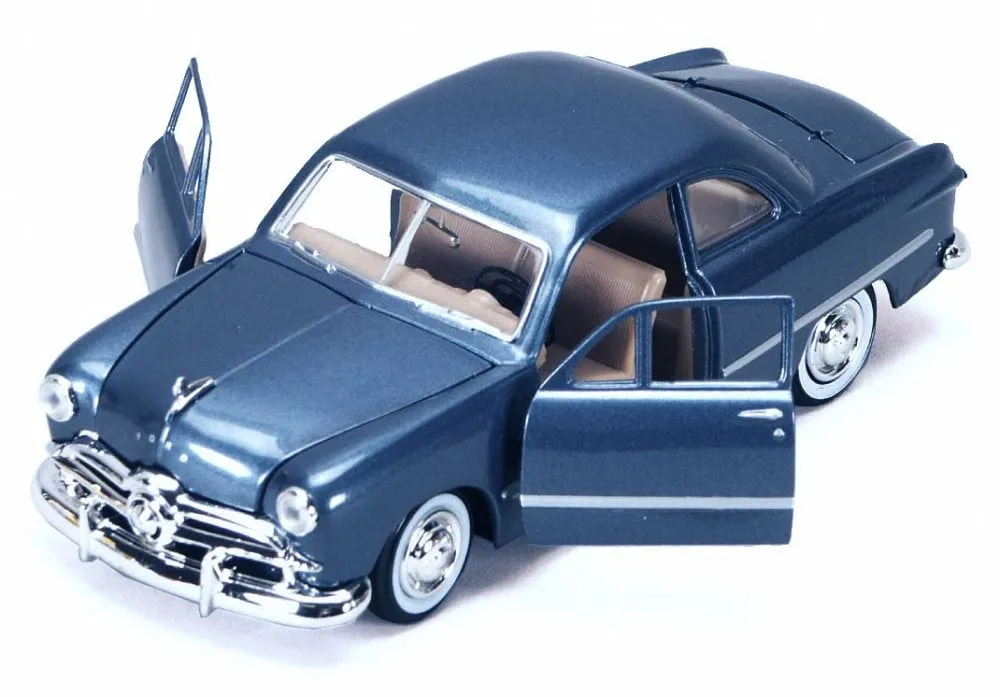
What are Diecast Scale Models
Diecast scale models are miniature replicas of vehicles, primarily automobiles, aircraft, and military machines, meticulously crafted using a unique manufacturing process. They are a fascinating blend of artistry and engineering, capturing the essence of their full-sized counterparts in a smaller, more manageable form. These models are not just toys; they are highly detailed representations, often sought after by collectors and enthusiasts for their accuracy, craftsmanship, and historical significance. The term ‘diecast’ refers to the method of production, where molten metal is injected into molds under high pressure, allowing for intricate designs and durable construction. The ‘scale’ aspect signifies the proportional reduction of the original vehicle, with common scales like 1 18, 1 24, and 1 43 representing the ratio between the model’s size and the real-life vehicle.
The Meaning Behind the Term
The term ‘diecast’ holds significant weight in the world of model collecting, representing a specific manufacturing process that sets these models apart. It’s derived from the process of ‘die casting,’ a metal casting process that involves forcing molten metal under high pressure into a mold cavity. This method allows for the creation of highly detailed and complex shapes with remarkable precision. The resulting models are known for their durability, weight, and the fine details that can be achieved through this manufacturing technique. Diecast models often feature working parts, such as opening doors, hoods, and steerable wheels, further enhancing their realism and appeal. The combination of the die-casting process and the meticulous attention to detail makes diecast scale models highly sought after by collectors and enthusiasts who appreciate the quality and craftsmanship.
Diecast vs. Other Model Types
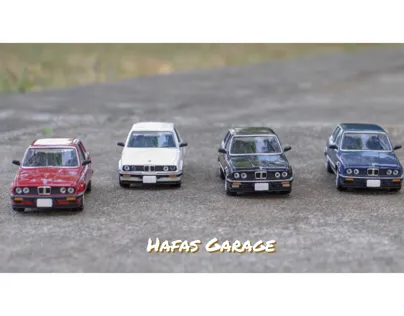
While the terms ‘model car’ or ‘scale model’ are often used broadly, it’s important to distinguish diecast models from other types of models. Plastic models, for instance, are typically assembled from kits and made from plastic components. While they can also be highly detailed, they lack the weight and durability of diecast models. Resin models are another category, often used for limited-edition pieces, offering fine detail but sometimes at a higher price point. The primary distinction lies in the material and manufacturing process. Diecast models’ metallic construction and the die-casting process allow for greater durability and the ability to incorporate intricate details that can be challenging to achieve with other materials. The choice between a diecast, plastic, or resin model often depends on factors such as budget, desired level of detail, and personal collecting preferences. Diecast models often stand out for their balance of quality, detail, and affordability, making them a popular choice among collectors.
Top 5 Facts About Diecast Scale Models
Fact 1 Accurate Replicas
One of the defining characteristics of diecast scale models is their commitment to accuracy. Manufacturers go to great lengths to replicate every detail of the original vehicle, from the body lines and paint colors to the interior features and engine components. This level of detail often involves researching original blueprints, photographs, and even consulting with automotive experts to ensure that the model is as authentic as possible. The goal is to create a miniature version that truly captures the essence of the real-life vehicle. For collectors, this accuracy is paramount, as it allows them to appreciate the design and engineering of the original vehicle in a tangible form. The precision in these models makes them highly collectible and valuable, often representing specific vehicles, historical periods, or design iterations.
Fact 2 Highly Detailed

The intricate details found on diecast models are a testament to the manufacturing process and the craftsmanship involved. These models feature an incredible level of detail, including realistic interiors with dashboards, seats, and steering wheels. Exterior details often include functional doors, hoods, and sometimes even working suspension systems. The paintwork is typically of high quality, with accurate colors and finishes that match the original vehicles. Some models even include engine components, such as miniature spark plugs and belts, adding to their realism. This meticulous attention to detail is a major factor in the appeal of diecast models for collectors, as it provides a rich and immersive experience, allowing enthusiasts to appreciate the beauty and complexity of the original vehicles in a miniature format.
Fact 3 Durable Materials
The use of diecast metal in the manufacturing process results in models that are remarkably durable. Diecast metal, typically a zinc alloy, provides strength and weight, contributing to the model’s solid feel and long-lasting construction. This durability is a key advantage over models made from plastic or other materials. Diecast models can withstand handling, display, and even minor accidents without significant damage. The robustness of these models makes them suitable for collectors of all ages, from seasoned enthusiasts to younger fans. Additionally, the durable construction helps to preserve the model’s value over time. With proper care, a diecast model can remain in excellent condition for decades, making it a valuable investment for collectors.
Fact 4 Collectible Value
Diecast scale models are highly collectible, with their value often increasing over time. Factors that contribute to their value include rarity, historical significance, the quality of detail, and the model’s condition. Limited-edition models or those representing significant vehicles or historical events are often the most sought after. The original packaging, if available, also plays a crucial role in determining value. The market for diecast models is active, with online auctions, collector shows, and specialized shops providing avenues for buying and selling. Investing in diecast models can be a rewarding experience, as they combine the enjoyment of collecting with the potential for financial gain. The value of a diecast model can vary widely, so research and understanding the market are essential for any collector.
Fact 5 Scale Variations

Diecast models are available in a variety of scales, with the most common being 1 18, 1 24, and 1 43. Each scale represents a different ratio between the model’s size and the real-life vehicle. For example, a 1 18 scale model is 1 18th the size of the original vehicle. The choice of scale often depends on the collector’s preferences, available display space, and budget. Larger scales, like 1 18, allow for greater detail and often feature more functional parts, while smaller scales, like 1 43, are more compact and suitable for displaying a larger collection. Some collectors specialize in a particular scale, while others collect models in various scales. The variety of scales ensures there is a diecast model to suit every collector’s taste and available space. Understanding the different scales helps collectors appreciate the differences in detail and design of the models.
Common Diecast Scale Model Uses
Collecting as a Hobby
Collecting diecast scale models is a popular hobby enjoyed by people of all ages. Collectors often focus on specific types of vehicles, eras, or manufacturers. The hobby provides an opportunity to learn about automotive history, design, and engineering. Building a collection involves researching, acquiring, and displaying models. The process of finding rare or sought-after models can be exciting, and the satisfaction of completing a collection is a rewarding experience. Collectors often connect with others through clubs, online forums, and shows, sharing their passion and knowledge. Collecting diecast models is more than just a hobby; it’s a community, a passion, and a way to celebrate the art of miniature vehicles.
Educational Purposes

Diecast scale models can be valuable educational tools. They provide a hands-on way to learn about automotive design, engineering principles, and historical vehicles. Models can be used to demonstrate how different parts of a vehicle work together, such as the engine, suspension, and steering systems. They also provide a visual representation of different vehicle designs from various eras. These models can be particularly beneficial for students studying automotive technology, history, or design. The detailed models are excellent resources for research, allowing learners to understand vehicle specifics. They can stimulate interest in STEM fields and provide a tangible way to learn about the technology and innovation behind automobiles and other vehicles.
Display and Decoration
Diecast scale models are often used for display and decoration. Their intricate details and aesthetic appeal make them attractive additions to any home or office. Collectors often create elaborate displays, showcasing their models on shelves, in display cases, or even in dedicated rooms. The visual impact of a well-curated collection can be quite striking. Displaying models can be a source of personal pride and a conversation starter. Models can be used to decorate workspaces, living rooms, or man caves, adding a touch of personality and interest to the environment. The diverse range of vehicles available ensures that there’s a diecast model to suit any style and taste, making them a versatile and stylish option for decorative purposes.
The Significance of Diecast Scale Models
Appeal to Collectors

Diecast models appeal to collectors because they embody a blend of craftsmanship, history, and personal interest. The pursuit of rare models, the appreciation of detail, and the social aspects of collecting all contribute to the hobby’s enduring appeal. For many collectors, these models represent a tangible connection to the vehicles they love. Whether it’s a childhood dream car, a historical landmark, or a favorite racing machine, diecast models allow collectors to hold a piece of automotive history in their hands. The value of a collection extends beyond its monetary worth; it represents memories, passions, and a shared appreciation for the art of miniature vehicles. The collecting community is diverse, with enthusiasts of every age and background, creating a rich environment to share stories, exchange knowledge, and foster a shared appreciation for diecast scale models.
Cultural and Historical Relevance
Diecast scale models often reflect cultural trends and historical events. They can represent iconic vehicles from different eras, capturing the design aesthetics and technological advancements of the time. These models serve as a record of automotive history, showcasing the evolution of vehicle design and engineering. Limited-edition models often commemorate specific events or anniversaries. They preserve memories of historical significance. Collectors and enthusiasts can learn about the cultural impact of different vehicles and the ways in which they have shaped society. Diecast models also offer a window into popular culture. Many represent vehicles featured in movies, television shows, and video games, cementing their relevance across generations. The collection of these models tells a story, reflecting on the events, trends, and innovations that have shaped the world we live in.
Where to Find Diecast Scale Models
Diecast scale models are widely available through various channels, making it easy for collectors to find the models they seek. Hobby shops and specialty stores often carry a wide selection of models, including rare and limited-edition pieces. Online retailers offer a vast range of choices, often with detailed descriptions, reviews, and images. Auction websites and online marketplaces provide opportunities to find vintage models, collectibles, and rare finds. Model shows and collector events are a great way to meet fellow enthusiasts, discover new models, and learn about the hobby. Local car shows and dealerships may also offer diecast models related to the vehicles on display. The variety of options ensures that collectors can always find new and exciting models to add to their collections, whether they are starting their journey or seasoned enthusiasts.