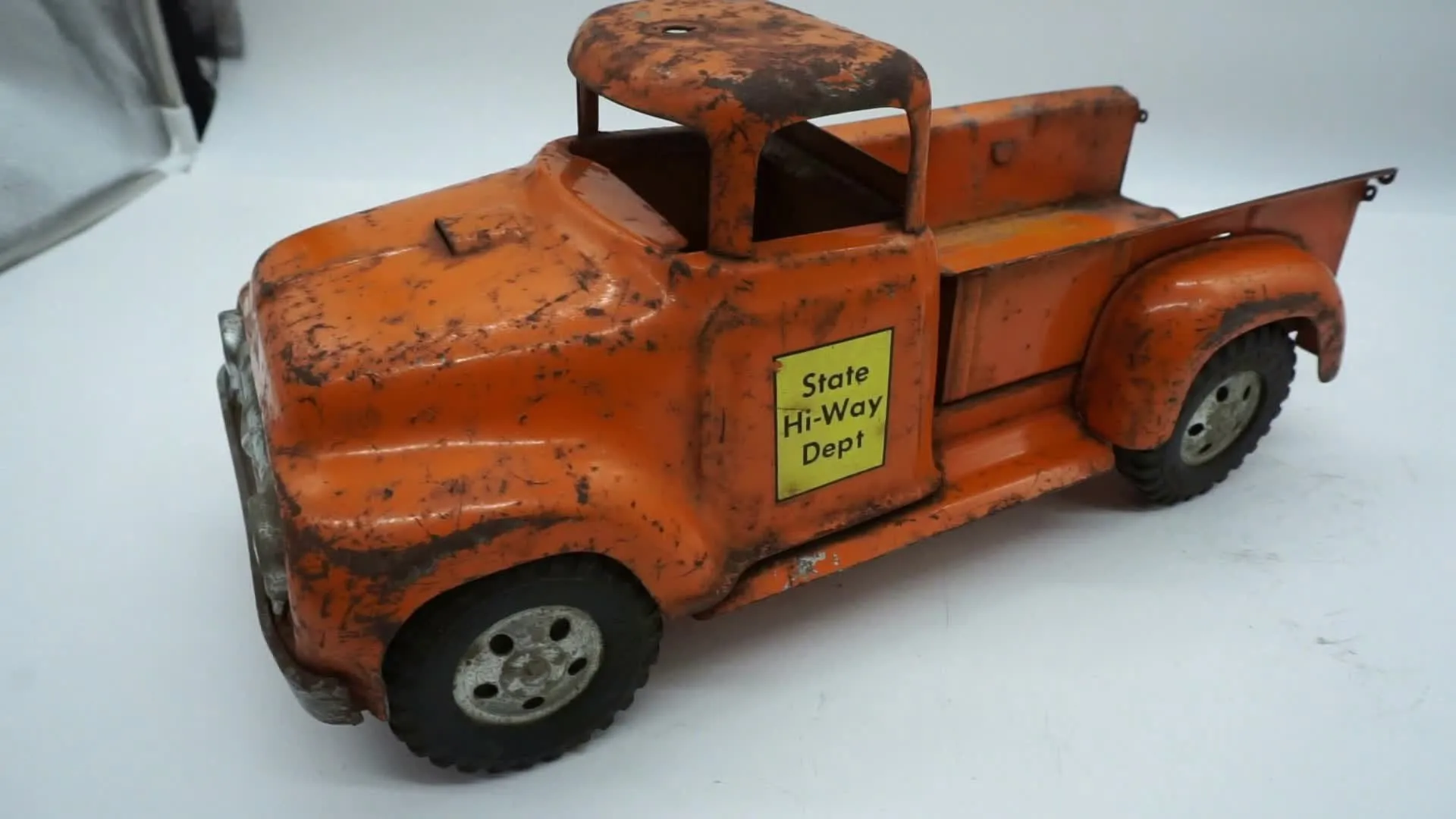
The 7 Essential Diecast Restoration Tools
Restoring diecast models is a rewarding hobby, transforming weathered toys into gleaming collectibles. Achieving professional-looking results requires a selection of the right tools. This guide highlights the top 7 essential diecast restoration tools, ensuring you have everything you need to tackle any project. From surface preparation to the final assembly, having these tools at your disposal will significantly improve the quality and efficiency of your restoration work. Investing in quality tools not only makes the process easier but also contributes to the longevity and value of your restored models. Let’s dive into the must-have tools to get you started on your diecast restoration journey, ensuring you have the right equipment for a successful and enjoyable experience.
Surface Preparation Tools
Before you can paint or apply any new finishes, the surface of your diecast model needs to be perfectly prepared. This involves removing old paint, rust, and any imperfections. Surface preparation is a critical step in diecast restoration, as it directly impacts the final appearance and durability of your restored model. Several tools are essential for this stage, including sandpapers of varying grits, metal files, and wire brushes. Sandpapers are used to smooth surfaces, remove rust, and create a good base for primer and paint. Metal files are ideal for shaping metal parts and removing any rough edges. Wire brushes are perfect for cleaning hard-to-reach areas and removing stubborn rust. Careful preparation ensures that the new paint adheres properly and that the details of your model are preserved.
Sandblaster

A sandblaster is a powerful tool for removing old paint, rust, and contaminants from the diecast model. This tool uses compressed air to propel abrasive materials, such as fine sand or glass beads, against the surface of the model. This process effectively removes the old finish, exposing the bare metal underneath, without damaging the underlying structure. Sandblasters come in various sizes, from small, handheld units to larger cabinet models. For diecast restoration, a cabinet sandblaster is often preferred as it allows for better control and containment of the abrasive material. It’s a highly efficient way to prepare the model for the next steps in the restoration process and is particularly useful for removing paint from intricate details and hard-to-reach areas. Remember to always use appropriate safety gear like a respirator when using a sandblaster to protect yourself from inhaling abrasive particles.
Detailing Tools
Detailing tools are crucial for refining the intricate details of your diecast models. These tools help you achieve a high level of precision and accuracy, which is essential for restoring fine features like grilles, emblems, and panel lines. This category includes a variety of tools such as dental picks, hobby knives, and small files. Dental picks are useful for removing paint from tight spaces and cleaning out crevices, while hobby knives are perfect for trimming excess material and creating sharp lines. Small files are ideal for smoothing out rough edges and refining the shape of small parts. A well-equipped set of detailing tools allows you to bring back the original charm and complexity of the model, resulting in a more authentic and impressive restoration.
Paint Removal Tools
Removing old paint is a fundamental step in diecast restoration. Several tools and methods are available for paint removal, each with its own advantages and disadvantages. The choice of paint removal method depends on the type of paint, the condition of the model, and your personal preferences. Chemical strippers, heat guns, and abrasive tools are commonly used. Chemical strippers are effective for dissolving paint, while heat guns can be used to soften the paint, making it easier to remove. Abrasive tools like sandpaper and sandblasters can physically remove the paint. Always choose the method that is appropriate for your specific project, considering the potential risks and the desired outcome. Proper paint removal sets the stage for a flawless new finish.
Chemical Strippers

Chemical strippers are powerful agents used to dissolve paint from the diecast model’s surface. They come in various formulations, each designed to work on different types of paint. These products can be applied by brush or by immersing the model in the solution. It is crucial to follow the manufacturer’s instructions carefully and wear appropriate protective gear like gloves and eye protection. After the paint has been sufficiently dissolved, it can be removed with a brush or scraper. Chemical strippers offer a convenient and effective way to remove paint, especially for models with intricate details. Always work in a well-ventilated area and dispose of the used stripper according to local regulations, as these chemicals can be hazardous.
Paint Application Tools
Once the model is prepped, the next step is to apply the new paint finish. The quality of your paint application will significantly impact the final look of your restored diecast. The choice of tools here includes airbrushes, paintbrushes, and spray guns. Airbrushes are ideal for achieving smooth, even coats of paint and are particularly well-suited for detailed work. Paintbrushes are more suitable for touch-ups or painting small areas. Spray guns offer an alternative to airbrushes, providing efficient coverage for larger areas. Proper paint application requires practice and patience, as achieving a flawless finish can be challenging. Consider factors like the type of paint, the required finish, and the level of detail when choosing your application method.
Airbrush
An airbrush is a precision tool that atomizes paint using compressed air, enabling the user to apply thin, even coats. Airbrushes are a staple in diecast restoration because of their versatility and ability to create professional-looking finishes. They allow for intricate detailing and gradients that are difficult to achieve with other methods. There are several types of airbrushes, including single-action, double-action, and gravity-feed models. Double-action airbrushes provide the most control, allowing you to regulate both the airflow and the paint flow independently. Regular cleaning and maintenance are essential for keeping your airbrush in good working condition. The use of an airbrush significantly enhances the quality and appearance of the restored diecast model. The proper use of an airbrush is a skill that develops with practice.
Assembly and Finishing Tools

After painting, the diecast model needs to be reassembled. This involves putting all the parts back together, often with the use of tools like screwdrivers, pliers, and adhesive. The tools you need for assembly depend on the complexity of the model. Screwdrivers are used for reattaching screws, while pliers are used for bending tabs or holding small parts. Adhesives like super glue or epoxy are used for bonding parts that cannot be attached with screws. Proper assembly involves careful attention to detail, ensuring that all parts fit correctly and that the model functions as it should. Finishing touches often include applying decals, polishing the paint, and adding any final details to complete the restoration process.
Screwdrivers and Pliers
Screwdrivers and pliers are essential for the final assembly of your diecast model. A set of small screwdrivers, including Phillips head and flathead types, will be required to remove and reinstall screws. Pliers are used for tasks like bending metal tabs, gripping small parts, and manipulating wires. It’s important to have a variety of sizes and types to handle different tasks. Using the correct tools and applying the proper amount of force helps prevent damage to the model. Having a well-stocked set of screwdrivers and pliers helps ensure the model is reassembled securely and correctly, bringing your diecast restoration project to a polished and finished state. These tools are indispensable for the final steps.
Protective Gear
Safety is paramount when working with diecast restoration tools and chemicals. Always wear the appropriate protective gear to minimize risks and ensure your well-being. This includes safety glasses, gloves, and a respirator or mask. Safety glasses protect your eyes from flying debris, while gloves protect your skin from chemicals and sharp edges. A respirator or mask filters out harmful fumes from paint strippers and spray paints. Investing in the right protective gear is an investment in your health and safety. Proper safety measures enable you to focus on the work and enjoy the restoration process without worrying about potential hazards. Make sure your workspace is well-ventilated to prevent the build-up of harmful fumes and chemicals.
Safety Glasses

Safety glasses are a non-negotiable piece of protective equipment when restoring diecast models. They shield your eyes from debris generated by sandblasting, sanding, or any other activity that could result in flying particles. Choose safety glasses that fit snugly and provide complete coverage. Make sure your glasses meet safety standards and provide good visibility. Proper eye protection is critical for preserving your eyesight. Always wear safety glasses throughout the restoration process and replace them when they become damaged or scratched. A small investment in quality safety glasses prevents potentially serious injuries and allows you to work with confidence.
Gloves
Gloves protect your hands from chemicals, paints, and abrasives encountered during the restoration process. Various types of gloves are available, including latex, nitrile, and vinyl. Choose gloves that are resistant to the chemicals you are using. Nitrile gloves are often preferred because they are resistant to a wide range of chemicals and are less likely to cause allergic reactions. Always inspect gloves before use and replace them if they are torn or damaged. Wearing gloves helps keep your hands clean and reduces the risk of skin irritation. Gloves also improve your grip on tools and parts, leading to a more effective and comfortable restoration experience.
In conclusion, having the right diecast restoration tools is key to achieving exceptional results. From surface preparation to the final assembly, this guide highlighted the top 7 essential tools, covering everything you need to get started and create beautiful restored models. Remember to prioritize safety by wearing appropriate protective gear and work in a well-ventilated space. With these tools at your disposal, you’ll be well on your way to enjoying the rewarding process of restoring diecast models and creating a collection you can be proud of. Happy restoring!