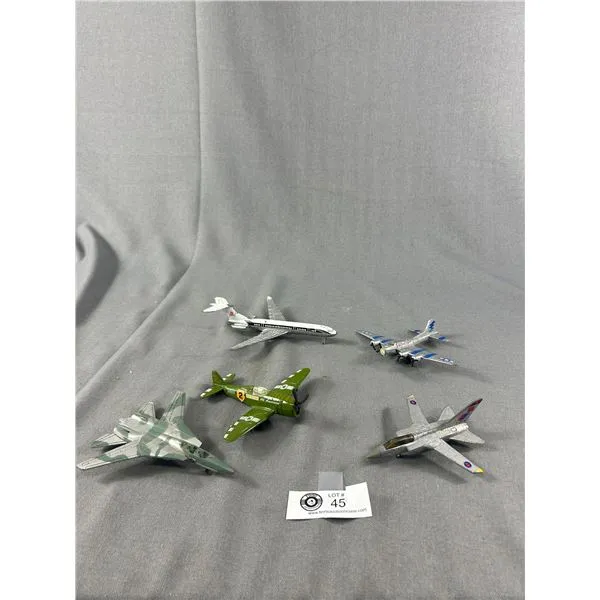
What is a Diecast Miniature Plane
Diecast miniature planes are highly detailed model aircraft, typically made from metal and plastic, designed for collectors and enthusiasts. These models replicate real-world airplanes with remarkable accuracy, capturing the essence of aviation history and design. They are not just toys; they are miniature works of art, showcasing the craftsmanship and engineering of the original aircraft. Diecast planes offer a tangible connection to the world of aviation, appealing to both seasoned collectors and newcomers alike. The appeal lies in their realism, durability, and the broad range of aircraft they represent, from classic warbirds to modern commercial jets. Owning a diecast plane is like owning a piece of history, a tribute to the marvels of flight. These miniature aircraft provide a unique way to appreciate the beauty and complexity of aviation, sparking interest in the technical aspects of flight.
Diecast Miniature Plane Materials
The materials used in diecast miniature planes are crucial to their quality, durability, and realism. These models typically combine metal alloys and plastic components to achieve a balance of weight, detail, and affordability. The selection of materials influences both the aesthetic appeal and the longevity of the model. Understanding these materials provides insight into what makes a high-quality diecast plane stand out from the rest. The materials used directly impact the overall look and feel, playing a significant role in the collecting and display of these miniature marvels.
Metal Alloys

Metal alloys, particularly zinc alloys, are the primary materials for the body and wings of diecast planes. Zinc alloys, often combined with other metals like aluminum, offer excellent moldability, allowing manufacturers to create intricate details. The weight of the metal adds to the model’s realism and provides a solid feel. These alloys also offer durability, protecting the model from damage. Using metal alloys is a hallmark of quality in diecast miniature planes, making the models both visually appealing and long-lasting. The ability to capture fine details using metal is a significant advantage over other materials.
Plastic Components
Plastic components are used for parts like engines, propellers, landing gear, and other detailed elements that can be finely molded. Plastics provide flexibility and allow for greater design complexity compared to metal. They are also often used for the clear parts, like the cockpit windows. The use of plastic does not detract from the overall quality; instead, it complements the metal parts to create a comprehensive and realistic representation. The choice of plastic contributes to cost-effectiveness and the ability to achieve intricate designs. Plastic ensures that the delicate elements of the plane are accurately represented without adding excessive weight or cost.
Details and Scale
The attention to detail and accurate scaling are defining features of high-quality diecast planes. These features significantly enhance the model’s realism and appeal to collectors. The accuracy of these elements distinguishes a good diecast plane from a great one, and they are essential for creating a lifelike representation of the original aircraft. The precision in detailing and scaling is one of the most important aspects of diecast planes, making them highly sought after by collectors. The focus on these features demonstrates the level of craftsmanship involved and significantly impacts the models value and appeal.
Scale Sizes Explained

Diecast planes come in various scales, with the most common being 1:72, 1:100, 1:200, and 1:400. Each scale means the model is a proportional reduction of the real aircraft. For example, a 1:72 scale model is 72 times smaller than the original plane. The choice of scale depends on the collectors preferences, display space, and the specific models available. Larger scales, like 1:72, allow for more detail, while smaller scales, like 1:400, are more practical for display in larger collections. Understanding scale is crucial when starting or expanding a collection, and ensuring consistency in the scale helps provide a cohesive display. The variety of scales makes collecting accessible for various budgets and space requirements, contributing to the popularity of diecast planes.
Detailed Features
Manufacturers incorporate numerous detailed features to increase realism. These include finely molded panel lines, rivets, access panels, antennas, and even miniature pilot figures. The quality of these details is a strong indicator of the model’s overall craftsmanship. The intricate detailing enhances the visual appeal and draws attention to the model’s authenticity. Detailed features go beyond simple shapes, incorporating textures and subtle elements that create a highly realistic appearance. The level of detail distinguishes a premium diecast plane from a standard one, making it more desirable for collectors. The more details, the more the models resemble their real-life counterparts, creating a stronger connection for collectors.
Authenticity and Accuracy
Authenticity and accuracy are paramount in the production of diecast planes, reflecting the manufacturer’s commitment to producing models that are faithful to the original aircraft. This involves meticulously researching the design, dimensions, and markings of the real planes. Collectors value models that are as close as possible to the original aircraft in all aspects. This emphasis on accuracy is what distinguishes high-quality models from those designed for general appeal. Authenticity brings an educational component to collecting, as collectors often learn about the history and technical specifications of the planes they collect. The level of accuracy shows the pride and dedication the manufacturers have to their craft, which is reflected in the value and desirability of the models.
Decals and Markings

Decals and markings play an important role in enhancing the realism and authenticity of diecast planes. These include the aircraft’s registration number, national insignia, squadron markings, and any special markings. Decals are typically applied using advanced printing techniques that capture intricate details. The accuracy of these markings is crucial to the model’s overall authenticity, as it reflects the historical and operational details of the actual aircraft. The application and design of these decals represent the planes history and often play a vital role in the value and enjoyment of the model. Decals are designed to be durable and realistic, and the choice and application of these decals make a huge difference in the model’s aesthetic appeal.
Realistic Paint Jobs
The paint job on a diecast plane is critical to its visual appeal. High-quality models feature realistic paint schemes that replicate the colors and finishes of the original aircraft. Advanced techniques such as airbrushing, weathering, and shading are used to create an authentic appearance. Paint quality not only enhances the visual appeal but also contributes to the model’s durability. Realistic paint jobs reflect the historical context and operational use of the original aircraft. These painting techniques make the models more appealing to collectors. The paint also protects the model from the elements, making it long-lasting. Meticulous attention to paint detail is the key factor in a diecast plane’s realism.
The Importance of Packaging and Display
Packaging and display are essential considerations in the diecast miniature plane hobby, protecting the models and enhancing their presentation. Proper packaging ensures that the models are safe during transportation and storage. A well-designed display showcases the models and contributes to their overall value. Proper packaging and display are essential for preserving and appreciating these miniature replicas. The packaging preserves the models integrity over time, making it an important aspect for collectors. The display is the second most important consideration to showcase your models in the best possible light.
Packaging Types

Diecast planes come in various packaging types, from simple cardboard boxes to elaborate display cases. The packaging often includes foam inserts to protect the model during shipping and storage. Some models come with a certificate of authenticity, adding value and collector appeal. Packaging can vary depending on the model’s price, manufacturer, and target market. The packaging type affects the perceived value and desirability of the model. The packaging contributes to a premium feel and enhances the overall collecting experience, playing a key role in protecting the plane from damage. High-quality packaging offers additional protection and increases a models value, making it a fundamental aspect of the collecting experience.
Display Cases
Display cases are essential for showcasing and protecting diecast planes. They come in various sizes and styles, from simple acrylic stands to elaborate, multi-tiered showcases. Display cases offer a way to protect models from dust, UV light, and accidental damage. They also enhance the visual presentation, allowing collectors to admire their models without handling them. Display cases contribute to the longevity and value of the collection. Display cases can be customized to match the collector’s preferences, adding an extra layer of personalization. They contribute to both the preservation and enjoyment of the collection. The proper display of these planes adds to the aesthetic appeal and creates a focal point for collectors and visitors alike.
Collecting and Display
Collecting and displaying diecast planes is a rewarding hobby, requiring knowledge, passion, and attention to detail. The hobby combines the thrill of collecting with the satisfaction of displaying models. Effective collecting involves both acquiring models and presenting them in an attractive and informative manner. It brings together several aspects of aviation history, craftsmanship, and personal expression. A well-curated and well-displayed collection creates a showcase for the models and a point of pride for the collector.
Where to Buy Diecast Planes

Diecast planes can be purchased from various sources, including specialty shops, online retailers, and auction sites. Specialty shops typically offer a curated selection of models and expert advice. Online retailers provide a wide range of options, including new and vintage models. Auction sites can be a good source for rare and vintage models. Each source has its own advantages and disadvantages, so it is important to research and compare options before purchasing. Finding the right place to buy can impact the experience, and knowing where to look expands the choices, allowing collectors to find exactly what they are looking for.
Tips for Displaying Your Collection
Displaying your diecast planes effectively enhances their presentation and protects them. Start by choosing a display area that is free from direct sunlight and extreme temperature fluctuations. Use display cases to protect the models from dust and damage. Arrange the models in an organized manner, considering scale, type of aircraft, or historical significance. Provide labels with information about each model to enhance the collecting experience. Proper display techniques maximize the aesthetic appeal and protect your investment, providing an enjoyable and rewarding experience for collectors and visitors. With careful planning, collectors can create a display that is both visually appealing and informative.