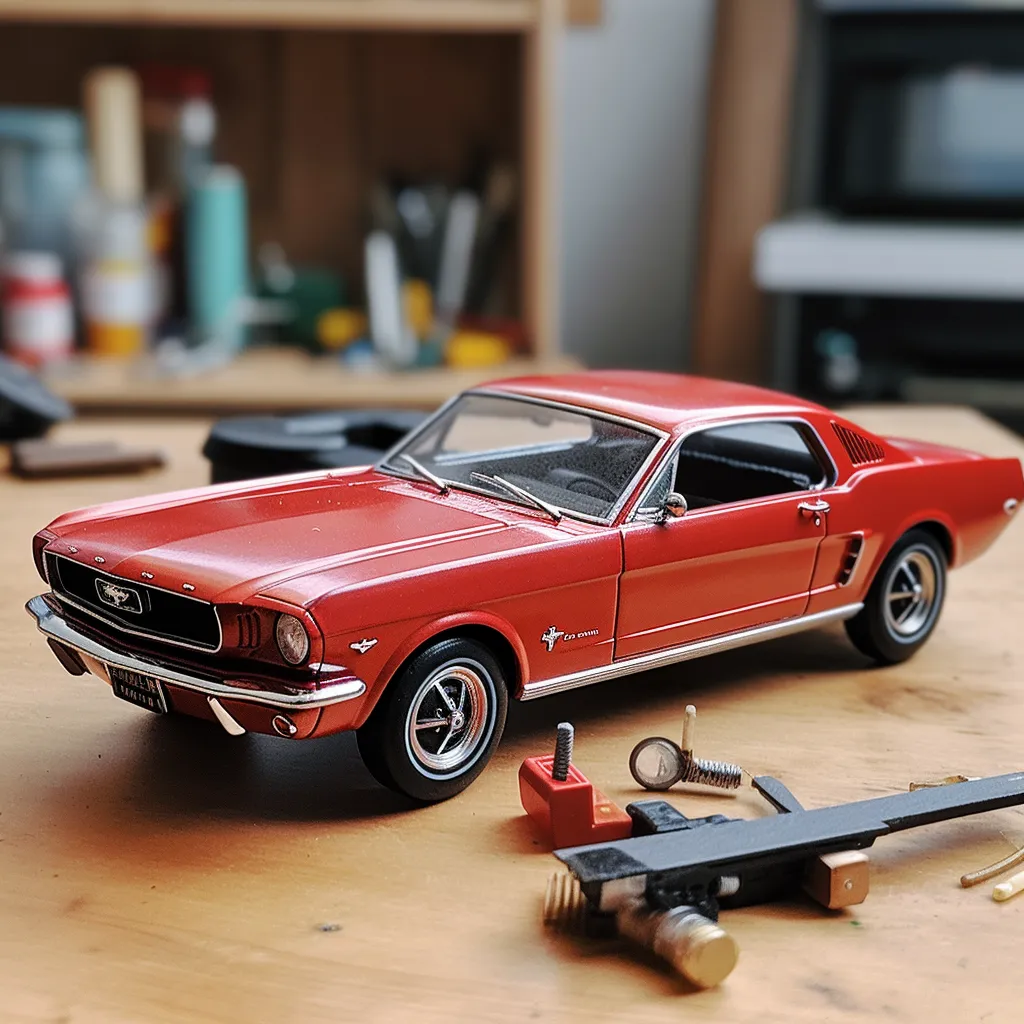
The Significance of Diecast Models Value
Diecast models are more than just toys; they are miniature works of art and, for many, a serious investment. The value of these meticulously crafted models can fluctuate significantly, influenced by a complex interplay of factors. Understanding these elements is crucial for both seasoned collectors and newcomers aiming to build or appraise a collection. This guide explores the top seven determinants of diecast model value, providing insights into what makes these collectibles so valuable and how to assess their worth. From rarity and condition to brand recognition and market trends, each factor plays a vital role in determining the price of a diecast model. Whether you’re looking to buy, sell, or simply understand the value of your existing collection, this information will help you navigate the exciting world of diecast model collecting.
Rarity and Its Influence
Rarity is perhaps the most significant factor in determining the value of a diecast model. The fewer models produced, the higher their potential value. Limited edition models, often released in small quantities, are highly sought after by collectors. The exclusivity of a model significantly drives up its price, particularly if the subject matter is popular or historically significant. Rare models are not just collectibles; they are tangible assets that can appreciate over time. The limited availability creates a sense of exclusivity and desirability, making these models valuable additions to any collection. Rarity is not just about low production numbers; it can also be influenced by the model’s specific features, such as unique paint schemes, special detailing, or a specific historical association. These aspects further enhance the model’s appeal and value.
Limited Editions and Their Impact

Limited editions are specifically designed to increase the value of diecast models. Manufacturers often release models in limited runs, sometimes as few as a hundred or a thousand pieces. This scarcity immediately boosts the collectibility of the model. These limited runs often feature unique paint jobs, special markings, or exclusive packaging, making them highly attractive to collectors seeking unique pieces. The perception of rarity is amplified by the fact that once these models are sold out, they typically disappear from the market, increasing their value. Limited editions are frequently created to commemorate significant events, such as race victories, anniversaries, or special collaborations. This adds another layer of desirability and historical significance to the model, further increasing its value and appeal to collectors.
Production Numbers and Value
The total number of models produced directly impacts the value. A model with only a few hundred or a thousand units produced will command a much higher price than a model with a production run of several thousand. Production numbers are typically indicated on the model packaging or included as a certificate of authenticity. Collectors often look for these details when evaluating a model’s potential value. Models produced in very limited quantities are often considered instant investments, appreciating in value as soon as they are sold out. Keeping track of production numbers is critical to assessing a model’s investment potential. Knowing how many models were made helps collectors understand the scarcity and potential future value of the piece, which is a major factor in the diecast models value.
Condition Matters
The condition of a diecast model is paramount in determining its value. Models in pristine condition, with no scratches, dents, or paint imperfections, will always be worth more than those with visible damage. Collectors place a high premium on models that have been well-preserved, often stored in their original packaging and protected from sunlight and dust. A model’s condition directly reflects its history and the care it has received. The better the condition, the more valuable the model. Even minor imperfections can significantly reduce a model’s value, highlighting the importance of careful handling and storage. Factors like paint quality, the alignment of parts, and the functionality of moving components all play a role in assessing a model’s condition. It’s also about the overall presentation of the model, as a well-preserved piece always attracts more interest.
The Importance of Original Packaging

Original packaging is a significant factor in determining the value of a diecast model. Packaging serves as both protection and a crucial part of the model’s provenance. Models with their original boxes, especially if they are in good condition, are worth considerably more than those without. The packaging often includes essential information, such as production numbers, edition details, and manufacturer specifications, which add to the model’s authenticity and value. For collectors, the packaging completes the model’s presentation, enhancing its appeal and market value. Damage or missing packaging can significantly decrease the value of a model, emphasizing the importance of keeping it in its original state. Packaging also reflects the historical context of the model, making it an integral part of the collecting experience. Collectors should always prioritize models with their original packaging to maximize their value.
Protecting Your Investment
Protecting your diecast model investment involves several key practices. Storing models in a controlled environment, away from direct sunlight, extreme temperatures, and humidity, is crucial. Sunlight can fade paint and degrade decals, while temperature fluctuations can damage the model’s structure. Consider using display cases with UV protection to shield models from harmful light. Proper handling is also essential. Always handle models with clean hands to avoid leaving fingerprints or causing damage. Consider wearing gloves if you are frequently handling your models. Regular dusting is important, but always use a soft brush or cloth to prevent scratches. By implementing these storage and handling techniques, you can significantly preserve the condition and value of your models for years to come.
Brand Recognition and Market Demand
The brand of a diecast model significantly influences its value. Some manufacturers have built a reputation for quality, detail, and historical accuracy, making their models highly desirable. Brands such as Hot Wheels, Matchbox, Minichamps, and Autoart are well-regarded and generally command higher prices. Models from established brands often have a strong following and high demand, particularly if they feature rare or iconic vehicles. The brand’s reputation for craftsmanship, detail, and historical accuracy affects collector interest. As a result, models from recognized brands can often be resold for a significant amount, based on their quality and the name behind them. The reputation of the brand plays a major role in determining the price a collector is willing to pay. Brand recognition is a sign of quality and collectibility.
The Influence of Popular Brands

Popular brands have a significant influence on diecast models value. Brands known for producing high-quality, detailed models often enjoy greater demand in the collecting community. These brands often have a loyal following, driving up prices and making their models valuable commodities. The association with well-known names such as Ferrari, Porsche, and other luxury car brands also plays a key role in the value. Diecast models of these cars are always in high demand. These models often become instant collector’s items. The brand’s reputation for quality and detail increases the appeal and resale value of the models. Collectors often prioritize models from popular brands when building their collections. The demand for these models also makes them a more secure investment.
Collector’s Choice and Value
Collector’s choice is a key factor. Certain models, based on their subject matter, rarity, or historical significance, attract significant interest. Models of iconic cars, historical vehicles, and those with unique features are particularly popular. Collectors often prioritize models that fill gaps in their collections or complement their existing interests. The models that are popular among collectors can appreciate significantly in value over time, depending on their availability and the ongoing trends. The popularity and collector interest in a specific model drive its value, with a strong demand often resulting in high prices. Understanding what other collectors are looking for is crucial for anyone building a collection with investment potential. Always consider the model’s appeal and collectibility to guide your investment decisions.
Scale and Detail Considerations
The scale and level of detail of a diecast model are essential in determining its value. Models come in various scales, such as 1:18, 1:24, and 1:43. Generally, larger scale models tend to be more valuable due to their greater detail and realism, which makes them highly sought after by collectors. The level of detail includes the accuracy of the interior, exterior features, engine components, and paint finish. Models with intricate detailing, such as working doors, detailed dashboards, and realistic engine bays, are highly prized. These features add to the model’s authenticity and appeal, driving up its value. Highly detailed models often require more complex manufacturing processes, increasing their cost and rarity. The complexity of these models often indicates their higher value within the diecast market.
The Complexity of Model Detail

The complexity of the model’s detail plays a critical role. Features such as functional doors, detailed interiors, and engine bays are examples of fine detailing that increase the value of diecast models. These intricate features enhance the model’s realism and visual appeal. Detailed models require more complex manufacturing processes, which often limit the production numbers and enhance their collectibility. A model with extensive detailing often indicates its higher value. Diecast models with intricate detailing are often considered premium collectibles, attracting collectors who appreciate craftsmanship and accuracy. It’s the attention to detail that truly separates high-value models from the rest. The depth of detail impacts the desirability and thus the overall value of the model.
Scale and Market Trends
Scale and market trends influence diecast models value. Certain scales are more popular than others, with the 1:18 scale often being favored by collectors for its balance of detail and size. Market trends can shift over time, with certain scales and model types gaining or losing popularity. Collectors often adjust their focus based on these trends. The market value of a particular scale can fluctuate based on collector demand. When considering the scale of a model, it is essential to research current market trends. The market’s current popularity for certain scales can significantly impact the value and appeal of the model. Scale and market trends often influence collector preferences, so staying informed is essential. Understanding the demand for the scale can help you make better investment decisions.
Material and Craftsmanship
The materials and craftsmanship of a diecast model are central to determining its value. High-quality diecast models are usually made of a combination of metal, plastic, and rubber. The materials used greatly influence the model’s durability, weight, and the ability to capture fine details. The quality of craftsmanship is just as important. The model’s paint finish, the alignment of its parts, and the overall build quality all contribute to its aesthetic appeal and value. Models that use premium materials and demonstrate superior craftsmanship are more highly valued. The use of better materials such as diecast metal, often leads to a more durable and realistic model. Superior craftsmanship often involves intricate detailing, resulting in a high-quality collectible.
High-Quality Materials and Value

High-quality materials have a significant impact on diecast models value. Diecast metal, as the primary material, lends weight and durability, making the model feel more premium. The use of high-grade plastics and rubber for tires and interior parts adds to the model’s realism. Models that use better materials often have a more durable and realistic appearance, directly enhancing their value. The quality of the materials also affects the model’s overall finish and appearance. Premium materials will better maintain their appearance over time. The choice of materials also affects the model’s collectible value, making it an investment in its lasting quality.
Craftsmanship and Its Impact
Craftsmanship greatly influences the value of diecast models. The precision with which the model is assembled, painted, and detailed directly affects its appearance and desirability. A model with clean paint lines, aligned parts, and intricate detailing showcases superior craftsmanship. The quality of the paint finish is particularly important. Fine craftsmanship means the model will look better and last longer, greatly impacting the collector’s value. The detail and the overall build of the model adds value and desirability. The collector often prioritizes craftsmanship when evaluating the diecast models value.
Market Trends and External Factors
Market trends and external factors play a significant role in determining diecast models value. The overall market for collectibles, economic conditions, and shifts in collector preferences can all impact the value. Changes in the automotive industry, such as the release of new car models or the rise in popularity of certain vehicle types, can also influence demand. Collector demand for specific models fluctuates based on these trends. Keeping an eye on these external factors is critical for understanding and predicting the value of diecast models. Staying informed about market trends and external factors helps collectors make well-informed decisions. The impact of these factors can be significant, highlighting the importance of staying current with the market.
The Role of Auction Houses and Online Marketplaces

Auction houses and online marketplaces are key components in determining the market value of diecast models. Auction houses, such as RM Sotheby’s and Bonhams, often feature rare and high-value models. These platforms set a benchmark for pricing and provide visibility to a global audience of collectors. Online marketplaces, such as eBay and specialized forums, provide a dynamic platform for buying and selling models. The prices realized on these platforms directly influence the perception of a model’s value. Monitoring sales data and tracking trends on these platforms helps collectors assess the market value of models. They often indicate what collectors are willing to pay. Both auction houses and online marketplaces play key roles in shaping the price dynamics of diecast models.
Economic Influences and Collector Behavior
Economic influences and collector behavior heavily affect diecast models value. Economic recessions, interest rates, and inflation rates influence collector spending. When the economy is strong, demand for collectibles, including diecast models, often increases, driving up prices. Conversely, economic downturns can lead to reduced spending. Collector behavior is also key, driven by passion, nostalgia, and investment potential. Trends in collector preferences can significantly impact demand and value. The overall economy and collector preferences are powerful forces. Staying informed about the economic climate and collector trends can provide insight into the market.
Where to Find a Reliable Diecast Model Appraiser
Finding a reliable diecast model appraiser is essential. Seek appraisers with proven experience and a strong reputation within the collecting community. Professional appraisers usually have extensive knowledge of model history, manufacturing details, and current market trends. Look for appraisers affiliated with reputable organizations, such as collector clubs or auction houses. Many appraisers offer their services online, making it convenient to get an accurate valuation of your collection. Reliable appraisers will provide detailed appraisals that consider all relevant factors, including rarity, condition, brand, and market trends. They will usually provide a written report. Obtaining a professional appraisal ensures the models are accurately assessed and valued.
Benefits of Professional Appraisals

Professional appraisals offer several benefits for collectors. They provide an objective assessment of value based on current market data and expert knowledge. They help collectors to make informed decisions when buying, selling, or insuring their models. Appraisals can also be useful for estate planning. They offer peace of mind knowing your collection’s worth has been accurately assessed. Professional appraisals can also increase the credibility of a collection. They provide a detailed record that can be used for insurance purposes or to authenticate the collection. They help collectors understand their collection’s value. The benefits of professional appraisals are important, making them a valuable service for serious collectors.
Resources for Collectors
There are many resources available to collectors. Online forums, social media groups, and collector clubs offer opportunities to connect with other enthusiasts. These platforms provide valuable insights and information. Websites and online databases specializing in diecast models also provide useful data. Collector guides, price guides, and auction catalogs can help assess model values. Stay up to date on market trends. Attending diecast model shows and events can provide opportunities to learn and to connect with other collectors. Leveraging all available resources is a key strategy for building a valuable collection.