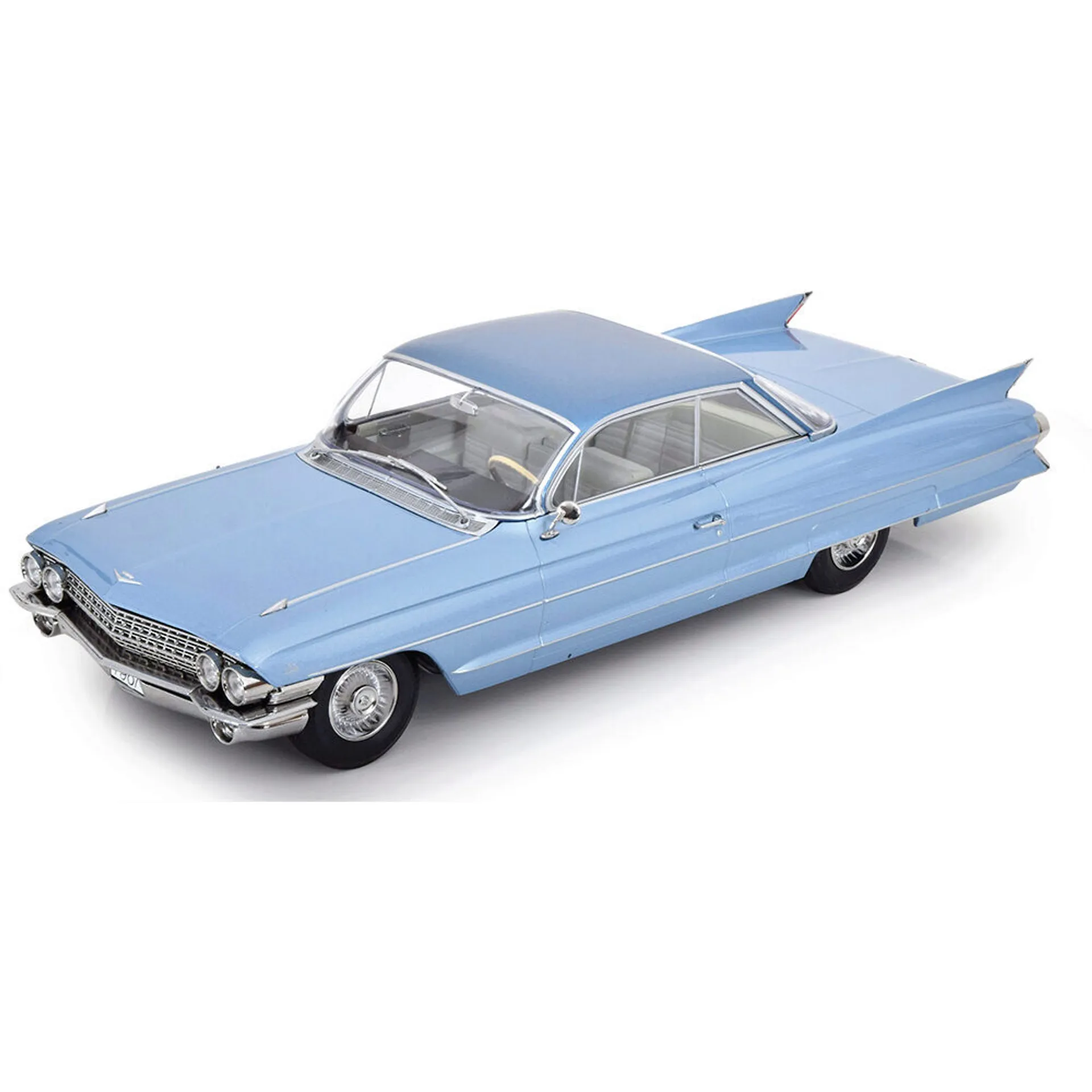
Choosing the Right Diecast Models
Embarking on a diecast model collecting journey can be incredibly rewarding, offering a tangible connection to automotive history and design. The world of used diecast models is vast and varied, filled with intricate details and historical significance. To begin successfully, it’s essential to start with a clear strategy. The first and perhaps most crucial step is to define what specifically interests you. This initial focus will prevent you from spreading your resources too thinly and help you build a cohesive and enjoyable collection. Consider your personal passions whether its classic cars, specific manufacturers like Ford or Ferrari, or even types of vehicles such as trucks or motorcycles. Understanding your niche is the cornerstone of any successful collection, ensuring that each addition resonates with your interests and brings you joy. By narrowing your focus, you streamline your choices and create a collection that reflects your unique personality and preferences. Used diecast models offer a unique opportunity to acquire rare and discontinued pieces, and with a focused approach, you’ll be able to navigate this market with confidence.
Researching Different Scales and Types
Understanding the various scales and types of diecast models is crucial for making informed decisions. Diecast models come in multiple scales, with the most popular being 1:18, 1:24, 1:43, and 1:64. Each scale offers a different level of detail and size, impacting the overall presentation and space required for your collection. Researching these scales allows you to visualize how the models will fit within your display area and what level of detail to expect. Certain manufacturers specialize in specific scales, and knowing this can guide your selection process. Exploring the different types of models available, from classic cars to modern supercars, is equally important. This research phase also helps you identify potential rarities and limited editions, adding value and excitement to your collection. Websites, online forums, and collector communities provide invaluable resources for this research, allowing you to learn from experienced collectors and discover models that match your taste and budget.
Understanding Popular Scales

The scale of a diecast model significantly influences its appearance, detail, and the space it occupies. 1:18 scale models are often the most detailed and visually impressive, offering intricate interiors and engine compartments, but they also require more display space. 1:24 scale models strike a balance between detail and size, making them popular among collectors. 1:43 scale models are more compact, perfect for those with limited space, while still providing good detail. 1:64 scale models, also known as ‘Matchbox’ or ‘Hot Wheels’ size, are very affordable and easy to collect in large numbers. Each scale has its pros and cons, and your choice will depend on your collecting goals, display space, and budget. Familiarizing yourself with these scales allows you to make informed decisions about the models you acquire, ensuring they align with your collecting strategy.
Identifying Your Interests
Identifying your interests within the realm of used diecast models is a crucial initial step. Ask yourself what excites you the most: are you fascinated by classic muscle cars from the 1960s and 70s, or perhaps modern hypercars? Maybe you have a soft spot for vintage trucks or race cars. Focusing on a particular era, manufacturer, or type of vehicle will help narrow your search and enhance your enjoyment. Once you define your interests, you can build a cohesive and visually appealing collection that reflects your passions. This approach also simplifies your research, making it easier to find information about specific models and their historical significance. Knowing your preferences will guide you through the vast market of used diecast models, turning your collecting journey into a highly personal and rewarding experience. Furthermore, having a clear vision will help you avoid impulse purchases and stick to your collecting goals.
Setting a Budget
Establishing a budget is vital for managing your collecting journey. The used diecast model market offers a wide range of prices, from affordable options to rare and expensive pieces. Before you start purchasing, determine how much you’re willing to spend on individual models and your collection as a whole. This budget will prevent overspending and help you prioritize your purchases. Consider the costs associated with shipping, storage, and any accessories needed for display. You can set a monthly or annual budget, depending on your financial situation and collecting goals. Sticking to your budget will help you build a valuable collection without financial strain, ensuring that collecting remains an enjoyable and sustainable hobby. Regularly review and adjust your budget as your collection evolves and your financial situation changes. By making a commitment to budget, you can create a long-term plan for your hobby, allowing you to make informed decisions.
Determining How Much to Spend

Determining how much to spend on each used diecast model requires careful consideration. Prices vary widely depending on factors such as the model’s rarity, condition, scale, and manufacturer. Researching the average price of similar models can provide a benchmark for your purchases. Decide on a price range that aligns with your budget and collecting goals. Consider the level of detail and quality you desire in each model; higher-quality models often come with a higher price tag. Be prepared to negotiate with sellers, especially for used models, as prices can sometimes be flexible. Focus on acquiring models that offer good value for money, considering both their current market price and their potential for future appreciation. Remember that the used market can offer incredible deals, especially on models that may no longer be in production. Carefully examine the condition of each model and assess whether its price aligns with its quality and historical significance, to make informed purchase decisions.
Considering Storage Solutions
Proper storage is essential to preserve the condition and value of your diecast models. Dust, sunlight, and extreme temperatures can damage your collection over time. Investing in display cases, shelves, or cabinets is a wise move to protect your models from environmental factors. Ensure the storage area is clean, dry, and away from direct sunlight. Consider using UV-protective glass or acrylic to shield your models from harmful rays. If you lack display space, consider storing your models in their original boxes or individual protective cases. Regularly inspect your storage area for any signs of damage or deterioration, taking action promptly to prevent further issues. Proper storage not only keeps your models looking great but also helps to preserve their value for years to come, safeguarding your investment and ensuring that your collection remains a source of pride and enjoyment. Prioritize storage solutions to secure your collection’s longevity and aesthetic appeal.
Displaying and Protecting Models
Displaying your diecast models is an art form in itself. The right display showcases your collection’s beauty and adds a personal touch to your space. Arrange your models in a way that highlights their features and tells a story. You might group them by manufacturer, era, or model type. Use display cases, shelves, or shadow boxes to create a visually appealing presentation. Choose a location that allows you to view your collection easily and provides good lighting. Regular dusting is essential to maintain the condition of your models; use a soft brush or microfiber cloth to remove dust particles. Consider using display stands or pedestals to elevate your models and create visual interest. Protecting your models is just as critical as displaying them. Keep them away from direct sunlight and extreme temperatures, and avoid placing them in high-traffic areas where they could be accidentally knocked over. Remember, your display is a reflection of your passion for diecast models, so take the time to create a setup that you enjoy and that protects your treasured possessions.
Joining Collector Communities

Joining collector communities, both online and offline, is a valuable step in growing and enjoying your used diecast model collection. These communities offer numerous benefits, including opportunities to connect with like-minded individuals, share knowledge, and learn from experienced collectors. Online forums, social media groups, and dedicated websites provide platforms for discussing models, trading, and seeking advice. Local clubs and meetups allow you to interact with collectors in person, view collections, and participate in events. These communities are a treasure trove of information, from identifying rare models to learning about maintenance and restoration techniques. They also offer support and encouragement, making your collecting journey more enjoyable. Participating in these communities exposes you to a wider range of models and collecting perspectives. Don’t hesitate to share your collection and ask questions. Ultimately, a community provides the chance to expand your knowledge and appreciation of the world of diecast models and foster lasting friendships.
Finding and Connecting with Other Collectors
Finding and connecting with other collectors is an essential part of building your used diecast model community. Begin by searching online forums, social media groups, and websites dedicated to diecast models. These platforms are filled with collectors of all levels who are eager to share their knowledge and experience. Attend local model shows and swap meets, where you can meet other collectors in person and see their collections up close. Engage in discussions, ask questions, and share your passion for diecast models. Building relationships with other collectors opens doors to new opportunities, such as trading models, buying and selling, and learning about rare finds. Attend local car shows or enthusiast events. Consider joining a local collector’s club, which provides a structured environment for socializing and sharing your hobby. Actively participate in community activities. By cultivating a network of fellow collectors, you can enhance your knowledge, find resources, and make your collecting journey even more rewarding. The collective wisdom of a community is a great resource.
Tips for Trading and Selling
Trading and selling diecast models can be exciting ways to expand your collection or generate funds to acquire new pieces. Before trading or selling, research the current market value of your models to ensure fair pricing. Take clear, detailed photos of your models and highlight any imperfections. Be honest and transparent about the model’s condition, including any modifications or repairs. When trading, be open to negotiation and find models that align with the other person’s interests. For selling, use reliable online platforms, local classifieds, or model shows to reach potential buyers. Set a fair price based on the model’s condition, rarity, and market value. Communicate clearly and promptly with potential buyers, answering their questions and providing additional information. Be prepared to ship models securely to protect them during transit. Establish clear terms and conditions for the transaction, including payment methods and return policies. Engage in trading and selling ethically, building a reputation for honesty and reliability within the collecting community. By following these tips, you can navigate trading and selling effectively, enhancing your collection and enjoying the process.
Cleaning and Maintaining Your Collection

Regular cleaning and maintenance are crucial for preserving the beauty and value of your diecast models. Dust is the primary enemy, so establish a routine for keeping your models clean. Dust them frequently, ideally every week or two, to prevent build-up. Use a soft brush, microfiber cloth, or compressed air to remove dust particles gently. Avoid using harsh chemicals or abrasive cleaners, as these can damage the paint and details. For more stubborn dirt or grime, use a mild soap solution or a specialized model cleaner. Apply the cleaner sparingly, using a soft cloth or cotton swab. Thoroughly dry the model after cleaning to prevent water spots or corrosion. Regular maintenance includes inspecting your models for any signs of wear, such as paint chipping or loose parts. Address any issues promptly to prevent them from worsening. Keeping your used diecast models clean and well-maintained not only preserves their visual appeal but also protects your investment for years to come. Adopt a proactive approach to ensure your collection remains a source of pride and enjoyment.
Proper Dusting Techniques
Proper dusting is a fundamental aspect of maintaining your used diecast model collection. Choose the right tools for the job. A soft-bristled brush, a microfiber cloth, and compressed air are your best allies. Start by using the brush to gently remove loose dust from the model’s surface. Pay attention to hard-to-reach areas, such as crevices and details. A microfiber cloth is ideal for wiping away remaining dust and smudges. Avoid pressing too hard to prevent scratching the paint. For areas with stubborn dust, use compressed air in short bursts to dislodge particles. Be sure to hold the can at a safe distance to prevent damage. Dust your models regularly, ideally every week or two, to prevent dust buildup. Be consistent with your dusting routine, and you’ll notice how well your models maintain their pristine condition. With proper dusting techniques, you can keep your collection looking its best and protect your investment for years to come.
Safe Cleaning Products
Using safe cleaning products is critical when caring for your used diecast models. Avoid harsh chemicals, solvents, and abrasive cleaners. They can damage the paint, decals, and delicate details of your models. Instead, opt for mild soap solutions or specialized model cleaners. Dilute the soap in water and test it on a small, inconspicuous area of the model before applying it to the entire surface. If you use a specialized cleaner, follow the manufacturer’s instructions carefully. Always use soft cloths, cotton swabs, or brushes to avoid scratching the paint. Avoid using paper towels, which can be abrasive. Rinse the model thoroughly after cleaning, and dry it with a clean, soft cloth. After the cleaning process, ensure that your model is completely dry before returning it to its display location or storage. The use of safe cleaning products guarantees that you can keep your collection in good condition without causing lasting damage. Take this approach to safeguard your investment.
Finding Reliable Sellers

Finding reliable sellers is essential for building a trustworthy used diecast model collection. Do your research before purchasing from any seller. Check online reviews, feedback, and ratings to assess their reputation. Look for sellers with a history of positive transactions and a demonstrated commitment to customer satisfaction. When buying from online marketplaces, check their seller ratings and read the reviews. In local scenarios, seek recommendations from fellow collectors. Be cautious of sellers offering items at prices that seem too good to be true; these can sometimes indicate counterfeit or damaged models. Before making a purchase, ask detailed questions about the model’s condition, any known flaws, and its history. Request clear photos of the model from multiple angles. A reputable seller will be transparent and willing to provide this information. Communicate politely and clearly. If the seller is unwilling to provide information or seems evasive, consider looking elsewhere. Building relationships with trusted sellers will ensure your collecting experience is positive and enjoyable.
Examining Model Condition
Thoroughly examining the condition of used diecast models is vital before making a purchase. Inspect the model for any visible damage, such as scratches, paint chips, dents, or missing parts. Pay close attention to the paint, checking for fading, bubbling, or other imperfections. Examine the decals to see if they are intact and firmly adhered to the model. Check for any signs of rust or corrosion, especially on metal parts. Inspect the wheels, tires, and suspension components for any damage or wear. Open the doors, hood, and trunk to check for any issues with hinges or mechanisms. Verify that all the original accessories and packaging are included, if applicable. If the model has been displayed, ask if it was in a climate-controlled environment. When buying online, request detailed photos from multiple angles, and if possible, ask for a video to see all of the details. Be prepared to walk away if the model’s condition does not meet your standards. Careful examination guarantees that you acquire models that meet your expectations and standards.
Asking the Right Questions
Asking the right questions is a critical aspect of buying used diecast models. Before making a purchase, inquire about the model’s history, including any previous ownership or restoration work. Ask about the model’s condition in detail, including any flaws, damage, or missing parts. Request information about the model’s original packaging, accessories, and documentation. Inquire about the model’s storage and display environment. Ask if the model has been exposed to sunlight, extreme temperatures, or humidity. Request clear photos of the model from multiple angles, and if possible, ask for a video. Ask about the seller’s return policy and warranty, in case you discover any unexpected issues. Be sure to ask the seller for clarification on any details that are unclear or uncertain. Asking the right questions guarantees that you have complete information. This knowledge allows you to make an informed decision and protect your investment. The more questions you ask, the more confident you’ll be in your purchase.
Evaluating Authenticity

Evaluating the authenticity of used diecast models is crucial to protect your investment. With counterfeit models present in the market, it’s essential to be discerning. Begin by researching the model’s manufacturer, production run, and any distinguishing features. Examine the model’s details and compare them to authentic examples. Look for any inconsistencies in the paint, decals, or overall craftsmanship. Check for manufacturer markings, serial numbers, and date codes, which are often found on the base of the model. Request the model’s original packaging and documentation to verify its authenticity. Compare the model’s packaging to known examples. Be wary of models that seem too good to be true. Counterfeit models often have inflated prices or too good of a deal. Seek guidance from experienced collectors or experts if you are uncertain. Consider buying models from reputable sellers with a proven track record. Investing time in authenticating your models ensures that your collection is genuine and valuable, protecting your financial investment and your passion.
Checking for Original Packaging
Checking for the original packaging is a crucial step in evaluating the authenticity and value of used diecast models. Original boxes and packaging often contain essential information, such as the manufacturer’s name, model number, scale, and production details. The packaging helps protect the model during storage and transport. The presence of original packaging adds value and enhances the collector’s appeal. Examine the packaging for any signs of wear, damage, or restoration. Verify that the packaging matches the model. Ensure that the model is the right type and scale. Be aware of any printing errors or inconsistencies. Look for serial numbers, date codes, or other unique markings. Ask for additional photos. Look for any signs of tampering. The original packaging offers insights into the model’s history and increases its value. The complete package increases the value for any collection.
Verifying Manufacturer Markings
Verifying manufacturer markings is a critical step in authenticating used diecast models. These markings are often located on the base of the model, under the hood, or inside the doors or trunk. These markings provide important information about the model’s manufacturer, model number, scale, and production details. Examine the markings closely. Be sure to look for any inconsistencies or errors. Compare the markings with those of authentic models. Ensure that the markings are consistent with the manufacturer’s practices. Check the model’s scale. The markings can confirm if the scale is correct. Look for any signs of tampering or alteration to these markings. Compare the markings with images of original, verified models. When in doubt, consult with experienced collectors or experts. Verify the presence and accuracy of the manufacturer’s markings, as it contributes significantly to the authenticity and value of your collection. These markings are essential for establishing the model’s provenance and its place within the history of diecast model production.