Planning Your Diecast Model Show Display
Organizing a diecast model show is an exciting venture that combines the thrill of collecting with the satisfaction of showcasing your prized possessions. Whether you’re a seasoned collector or just starting, careful planning is essential to creating a successful and engaging event. A well-planned display not only attracts visitors but also enhances the overall experience for both exhibitors and attendees. Before diving into the specifics, consider your goals for the show. Are you aiming to sell models, educate the public, or simply share your passion? Defining these objectives will guide your planning process, from choosing a venue to selecting the models to display. Remember, the primary goal is to create a memorable and enjoyable experience.
Choosing the Right Scale
Scale is a fundamental aspect of diecast model collecting and displaying. Choosing the right scale is crucial for achieving a cohesive and visually appealing display. The scale refers to the ratio between the model’s size and the size of the actual vehicle. Common scales include 1:18, 1:24, 1:43, and 1:64. Each scale offers unique advantages and disadvantages, so consider your preferences and the types of models you collect when making your decision. For example, 1:18 scale models are larger and offer more detail, making them ideal for showcasing individual vehicles. However, they also require more space. Smaller scales like 1:64 are great for creating large, diverse displays within a limited area.
Why Scale Matters

The choice of scale significantly impacts the visual impact and realism of your display. Mixing different scales can create a disjointed look, so consistency is key. If you have a variety of scales, consider separating them into distinct areas. Proper scaling allows you to create realistic scenes and dioramas. Buildings, figures, and accessories should be in proportion to the vehicles. The more accurately the scale is maintained, the more convincing your display will be. Moreover, the scale impacts the availability of accessories and the level of detail that can be achieved. Larger scales usually provide for greater detailing and realistic features but, again, take up more display space. Consider the overall aesthetics you wish to achieve, the space you have available, and the type of models you collect before settling on a specific scale.
Selecting the Right Models
The selection of models is the heart of any successful diecast model show. Your choices will determine the appeal and interest level of your display. Start by curating a collection that reflects your passion and expertise. Consider models that tell a story, represent a specific era, or showcase a particular manufacturer. If you have a specific theme, like vintage cars, race cars, or emergency vehicles, this can add coherence to your display. Furthermore, consider the condition and rarity of your models. Well-preserved, rare models are highly sought after by collectors, while models with damage or missing parts may detract from the overall presentation. Ensure that the models are clean and properly presented to maximize their appeal. This includes showcasing them in appropriate settings and adding suitable accessories.
Showcasing Your Collection
How you display your diecast models has a huge influence on how your collection is received. Good display makes the collection more attractive to visitors. Think about arranging your models in an aesthetically pleasing way. Consider the placement of models, spacing, and the use of background elements. You can organize models by type, manufacturer, or theme. This makes it easier for viewers to appreciate the diversity and detail of your collection. Also, remember to provide context. Including information about each model, its history, and its significance is a great way to engage visitors and enhance their experience. This could be done through descriptive labels or printed materials. Moreover, consider incorporating dioramas or settings that bring your models to life. This can significantly increase the appeal and visual impact of your display.
Lighting Your Display

Lighting is an important element in highlighting the beauty of your diecast models. Proper lighting can dramatically enhance the visual appeal of your display, drawing attention to the details and colors of your models. When selecting lighting, consider the type of bulbs, their intensity, and the overall color temperature. LED lights are a popular choice due to their energy efficiency and ability to produce a wide range of colors. Aim for a combination of direct and ambient lighting to avoid harsh shadows. Additionally, position your lights strategically to highlight specific features, such as the details of the engine, interior, or exterior. Avoid placing lights directly on the models to prevent overheating and damage. Proper lighting will give life to your collection and make it appealing for the audience.
Essential Lighting Techniques
Employing the right lighting techniques can greatly enhance the visual appeal of your diecast model display. Soft, diffused lighting is generally the best choice to avoid harsh shadows and reflections. Spotlights can be used strategically to highlight key areas or individual models, while ambient lighting provides an overall illumination. Use a combination of these techniques to achieve the desired effect. The color temperature of the light also matters. Warm white light can give the display a welcoming feel, while cool white light can provide a more modern appearance. Experiment with different colors and intensities to find what works best for your display and the models you’re showcasing. Furthermore, consider the placement of the lights. Make sure the lights are not too close to the models and that they do not generate excessive heat. Proper lighting is essential for a professional-looking display, helping your models shine in the best possible way.
Creating Realistic Dioramas
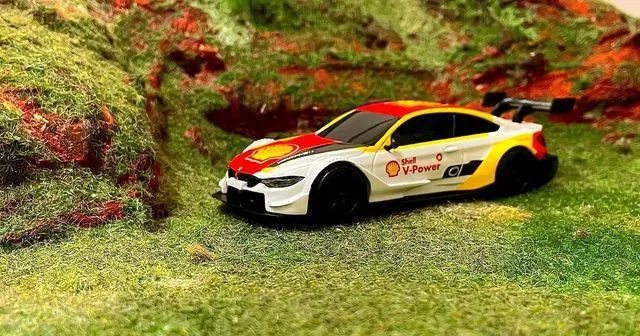
Creating a realistic diorama is a fantastic way to elevate your diecast model display and transport viewers to another world. Dioramas add context and narrative to your models, making them more engaging and visually appealing. Dioramas recreate scenes from real life. The process involves building a setting for your models and using various materials to simulate the environment, such as landscapes, buildings, and figures. Begin by selecting a theme or a scene that you wish to recreate. Research the specific details of the environment you’re modeling, paying attention to the colors, textures, and proportions. Detailed research is essential to the creation of an accurate and convincing diorama. The scene you select will affect the entire display. With proper planning, you can create an exciting display for the audience.
Gathering Materials

Before beginning your diorama, gather the necessary materials. These materials are the foundation for the landscape. A basic list includes a base, foam board, and adhesive to create the structure. For the landscaping itself, collect various materials such as artificial grass, sand, gravel, and foliage to simulate the environment. For buildings and structures, you can either purchase pre-made kits or build your own using materials like cardboard, plastic, or wood. Additionally, you’ll need various tools like knives, scissors, glue, and paint to assemble the diorama. The choice of materials impacts the realism and the overall aesthetics of your scene. Choose materials that reflect the environment you are trying to recreate. You may require a lot of research to learn the best type of materials. The right choice of materials will give you a sense of satisfaction when the diorama is complete.
Landscaping Your Diorama
Landscaping is an essential step in creating a realistic diorama. Begin by preparing the base of your diorama. Apply a base layer of paint or texture to represent the ground. Next, apply the landscaping materials to create the scene. For instance, add artificial grass to simulate lawns or meadows. Use sand and gravel to depict roads, paths, and other ground textures. Foliage, such as trees, bushes, and flowers, can be added to enhance the realism. Place these elements strategically to create depth and visual interest. Consider the scale of the models and the diorama elements. The correct sizing and placement of items are critical for creating a believable scene. Take your time and experiment with different textures and layouts to achieve the desired effect. Proper landscaping is the finishing touch to the dioramas, which adds charm to your model show.
Adding Details
Adding details is what transforms your diorama from a simple scene into a captivating masterpiece. Incorporate accessories to enhance the narrative and bring the scene to life. This could include miniature figures, signs, and other elements that are specific to the theme. Furthermore, consider adding realistic features like lighting and weathering effects to give your diorama a weathered appearance. Pay attention to the small details. These are what will make your diorama look more realistic and appealing. The more detailed your diorama, the more engaging it will be for visitors. Finally, consider the overall composition of the scene. Ensure that all the elements are balanced and contribute to the overall narrative. The details will play a major role in telling a story and engaging the audience, helping make your diecast model show memorable.
Promoting Your Show

Effective promotion is essential for attracting attendees to your diecast model show. Promote your show to create a buzz around your event. Start early, and utilize various channels to reach a wider audience. This includes social media, local media, and online platforms. Consider creating promotional materials such as flyers, posters, and digital graphics to catch the attention of potential attendees. The more buzz you generate, the more attendees you’ll see at the show. Make sure you create your promotional materials to convey the excitement of the event. Highlighting the key attractions and benefits of attending your show. Furthermore, you should consider a marketing strategy to generate a great turnout. The promotional activities can be the key to the success of your event. So make sure to get the word out!
Using Social Media
Social media is a powerful tool for promoting your diecast model show. Create pages on various social media platforms such as Facebook, Instagram, and Twitter. This is how you will spread the word. Post regular updates about the show, including photos and videos of the models, dioramas, and preparations. Share behind-the-scenes glimpses of the work that goes into putting on the show. Engage with your followers by answering their questions, responding to comments, and running contests or giveaways to generate excitement. In addition, use relevant hashtags and targeted advertising to reach a wider audience. Collaborate with other model enthusiasts and groups to promote your event to their followers. Social media is essential for building an audience, and a large following will bring more people to your show. Use social media to generate excitement about the event.
Engaging with Attendees
Creating an engaging experience for attendees is key to making your diecast model show a success. Provide interactive elements that encourage participation and interaction. Offer guided tours, Q&A sessions with model builders, or workshops for beginners. This is a great way to get people involved. Furthermore, establish a friendly and welcoming environment to make visitors feel comfortable and engaged. Train volunteers to be helpful, knowledgeable, and enthusiastic. Encourage feedback from attendees to improve future events. You can also host contests and offer prizes. This will add more excitement. Remember that a successful diecast model show is not just a display; it is an experience. If you engage attendees in a positive manner, they will be more likely to share their experience.