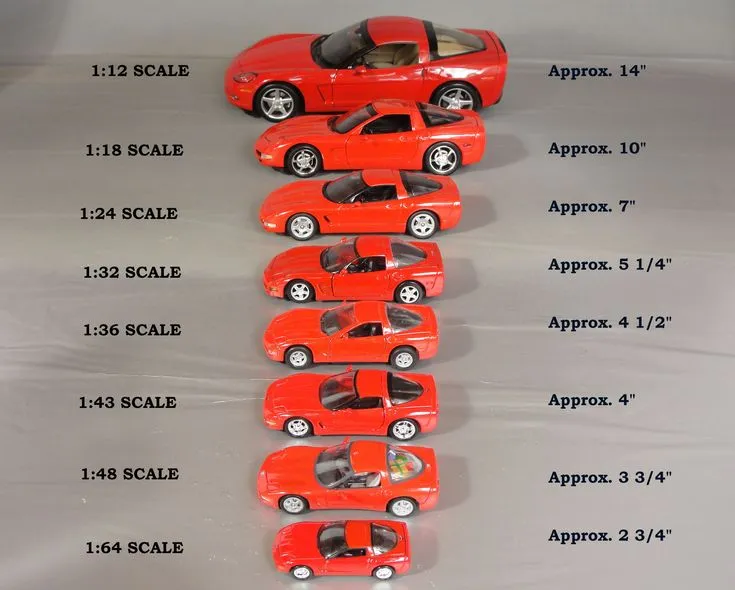
Diecast model cars are a popular hobby, captivating enthusiasts with their intricate detail and realistic designs. One of the most crucial aspects for collectors is understanding diecast model cars sizes. From the grand scale of 1/18 models to the compact 1/43 offerings, the sizes significantly impact display options, storage needs, and the overall collecting experience. This article delves into the top 5 facts you need to know about diecast model car sizes, ensuring you make informed decisions whether you’re a seasoned collector or just starting out. Grasping these fundamentals will help you navigate the world of diecast models with confidence, ensuring you choose the perfect additions to your collection and get the most enjoyment from your hobby. Knowing the common scales, the factors influencing your selection and the resources available will greatly enhance your collecting journey.
The Most Common Diecast Model Cars Sizes
Several scales dominate the diecast model car world, each offering a unique collecting experience. These scales determine the proportional reduction in size from the real-life vehicle. The most prevalent scales include 1/18, 1/24, and 1/43. Each scale caters to different preferences, display space, and levels of detail. Understanding these scales provides a solid foundation for collectors to make educated decisions and build their collections strategically. These scales are widely available, offering a vast array of models across different manufacturers and car types.
1/18 Scale Diecast Model Cars
1/18 scale is a favorite among many collectors, offering a balance of detail and size. These models are considerably larger, allowing for intricate detailing and features like opening doors, hoods, and trunks. The 1/18 scale models provide a significant presence, making them ideal display pieces. Collectors appreciate the ability to showcase the fine craftsmanship and realistic features that this scale allows. They are generally suited for collectors who have ample display space available and are willing to invest in larger models. Because of their size, 1/18 scale models often become the centerpiece of a collection.
Ideal Dimensions for 1/18 Scale Models

The dimensions of 1/18 scale models vary depending on the actual car they represent. As a general guide, a standard sedan model in 1/18 scale measures approximately 10 to 11 inches in length. Sports cars and smaller vehicles will often be slightly shorter, while larger vehicles like SUVs or trucks will be longer. This size makes them substantial enough to appreciate the details, but it does mean you’ll need adequate display space. It is a great size for detailed models because the larger size makes it easier to include finer features, such as detailed dashboards, engine components and realistic interiors.
1/24 Scale Diecast Model Cars
1/24 scale models represent a popular middle ground, offering a balance between detail and practicality. They are smaller than 1/18 scale models, which makes them easier to display and store. These models still provide an impressive level of detail, often including opening doors, detailed interiors, and engine components. This scale is an excellent choice for collectors with limited space or those who want a broader range of models to choose from without the space commitment of larger scales. The 1/24 scale offers a wide variety of cars, providing many options for collectors.
Ideal Dimensions for 1/24 Scale Models
1/24 scale models typically range from 7 to 9 inches in length, depending on the car’s actual size. These dimensions make them suitable for display in various locations, such as shelves, display cases, or even desks. They are generally considered versatile for both new and experienced collectors due to their manageable size and widespread availability. The models are great for showcasing a variety of vehicles without overwhelming the display area. This scale gives a collector the ability to show many models at once.
1/43 Scale Diecast Model Cars
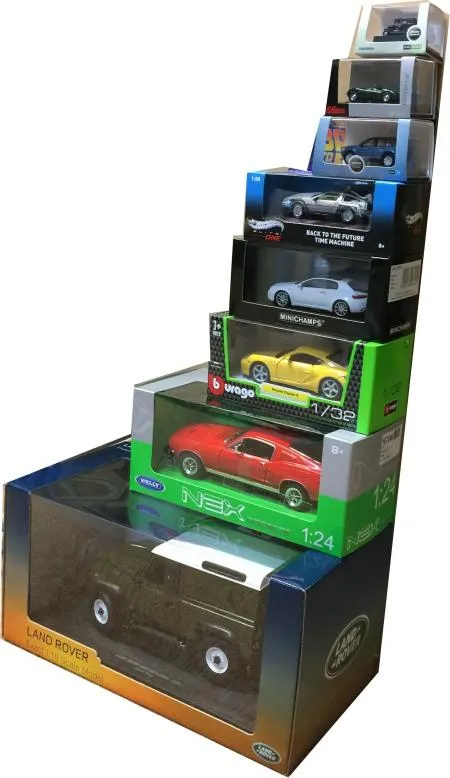
1/43 scale models are smaller and more compact, making them highly versatile for collectors with limited space. They are a favorite for collectors who want to amass a large collection without needing a large display area. Despite their smaller size, they still offer remarkable detail, with intricate paintwork and accurate detailing. The 1/43 scale is also widely available, with a broad selection of models from various manufacturers. These models are great for showcasing different car types, eras, and brands. The scale is also great for diorama displays due to its smaller size.
Ideal Dimensions for 1/43 Scale Models
The dimensions of 1/43 scale models usually fall between 4 and 5 inches in length. The compactness allows for easy display in various environments, including shelves, cabinets, or even on a desk. This scale is ideal for collectors who want to build extensive collections without the need for a large dedicated space. The compact nature of these models allows for them to be displayed with many models together. They are also great for creating detailed dioramas. These models allow collectors to easily arrange and rearrange their display to change the look and feel of the collection.
Why Diecast Model Cars Sizes Matter
The size of your diecast model cars impacts more than just aesthetics; it affects the entire collecting experience. Different scales cater to different collecting preferences and practical considerations. Understanding these impacts helps you choose the best models for your needs and maximizes your enjoyment of the hobby. The size impacts display options, storage needs, and even the cost of acquiring the models. Collecting is a rewarding hobby that should be tailored to each collector’s circumstances and preferences.
Collecting and Displaying Considerations

The scale you choose dramatically affects how you display your collection. Larger scales, like 1/18, require more space per model, making them ideal for a few impressive pieces in a dedicated display area. Smaller scales, such as 1/43, allow you to showcase many models in a limited space, such as a bookshelf or display cabinet. The choice depends on your available space and the desired presentation. Consider your display area and choose a scale that suits your aesthetic preferences and available space. A well-designed display can transform a collection into a stunning visual centerpiece.
Storage and Space Requirements
Storage is a key factor for any collector. Larger-scale models take up more storage space, requiring more extensive storage solutions. Smaller scales are easier to store, which can be a significant advantage if you have limited space or plan to expand your collection significantly. When selecting a scale, think about both your current storage capabilities and your potential for future expansion. Proper storage is crucial to protect your models from dust, damage, and light exposure. Secure and organized storage helps preserve your collection’s value and allows you to admire your cars whenever you wish.
Materials and Durability Impact
The scale of a model can indirectly affect the materials used and, consequently, the model’s durability. Larger models, often produced with higher-quality materials, may feel more robust and withstand handling. Smaller models sometimes use less material due to production constraints. Always evaluate the materials and build quality of a model. Consider how you intend to handle and display your models when considering the durability. Proper care, handling and storage can help ensure the longevity of any model, regardless of scale.
Where to Find Information About Diecast Model Cars Sizes

Accurate information about diecast model car sizes is easily accessible through various channels. Understanding where to find this information will help you make informed purchasing decisions and enjoy the hobby to the fullest. From online resources to manufacturer specifications, there are numerous ways to determine the precise dimensions of the models you are interested in. Taking the time to gather this information is a crucial step in the collecting process.
Online Resources for Size Guides
Numerous online resources provide detailed size guides for diecast model cars. Websites and online communities dedicated to diecast collecting are excellent sources of information. Many online retailers also provide dimensions for each model they sell. These guides often include detailed specifications, including the model’s length, width, and height. Utilizing these resources simplifies research and ensures you choose models that fit your space and preferences. Reviewing multiple sources will improve the accuracy of information and give you a better understanding.
Manufacturer Specifications and Packaging
Manufacturer specifications are a reliable source for diecast model car sizes. Most manufacturers include dimensions on the packaging or product listings. This information is accurate and specific to the model you are considering. Always check the product packaging or the manufacturer’s website for precise measurements. Keeping the original packaging is a good practice, as it often includes crucial details like the scale and dimensions of the model. This information is useful if you plan to sell, or trade the model in the future. Checking the dimensions before purchasing is highly recommended.
Utilizing Comparison Tools

Various online comparison tools allow you to compare the sizes of different diecast model cars. These tools often let you enter the scale and type of vehicle to see the approximate dimensions. They help you visualize the models’ sizes relative to each other, aiding in display planning and storage considerations. These tools can be extremely useful when you’re trying to fit your models into specific display spaces. They offer a quick and easy way to compare different scales and vehicles. These tools can be useful for creating a cohesive collection.
Conclusion
Understanding diecast model car sizes is paramount for any collector, affecting everything from display options to storage needs. The common scales—1/18, 1/24, and 1/43—each offer unique collecting experiences. By considering factors like space, display preferences, and desired levels of detail, you can choose the best scales for your collection. With reliable information resources at your disposal, such as online guides and manufacturer specifications, you can make informed decisions and build a collection that brings you immense joy. The right scale selection enhances your enjoyment of the hobby and preserves the value and beauty of your models. Happy collecting!