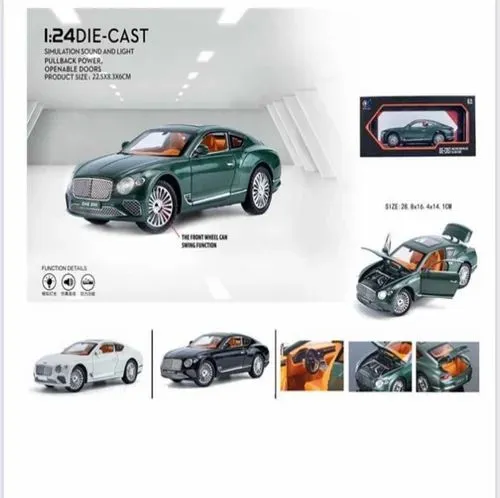
Choosing the Right Glue for Diecast Model Cars
Building and repairing diecast model cars requires the right tools, and among them, the type of glue you choose is critical. Selecting the appropriate adhesive can mean the difference between a successful build and a frustrating experience. Different glues have different properties, and understanding these will ensure that your models are durable and aesthetically pleasing. Considerations include the materials being bonded, the desired drying time, and the level of precision required. This guide will walk you through selecting the best glue for your diecast model car needs, ensuring that your projects are a success.
Understanding Different Types of Glue
The market offers a wide array of glues, but only a few are genuinely suitable for working with diecast model cars. Each type of glue has its advantages and disadvantages, so it’s essential to be aware of these to make an informed decision. Consider factors like the materials you’re joining (metal, plastic, rubber), the required bond strength, and the working time you need. Also, consider the final appearance, some glues are better for filling gaps or providing a seamless finish. Knowing the properties of different adhesives can help you avoid common pitfalls and achieve a professional finish.
Cyanoacrylate Glue (Super Glue)

Cyanoacrylate glue, often called super glue, is a popular choice for many modelers due to its fast-drying properties and strong bond. This glue works well on various materials, including metal and plastic, which are common in diecast models. Super glue is ideal for quick assembly tasks, such as attaching small parts or repairing minor damage. However, it is essential to use it with caution. Super glue can sometimes bond too quickly, which can be a problem if you need to adjust the position of the parts. Also, it’s important to avoid using too much, as it can leave unsightly residue or cause the bond to fail. When using super glue, it’s best to work in a well-ventilated area and avoid skin contact.
Epoxy Resin Glue
Epoxy resin glue is a two-part adhesive that provides a very strong and durable bond. It consists of a resin and a hardener that must be mixed to initiate the bonding process. This glue is excellent for projects that require a strong bond and the ability to fill gaps, making it ideal for repairing broken parts or joining larger sections of the model. Epoxy glue offers a longer working time than super glue, allowing for precise positioning of parts before it sets. Some formulations of epoxy are designed to be clear, which helps maintain the model’s appearance. However, be aware that epoxy glue usually takes longer to cure fully and may require clamping to ensure the parts stay in place during the setting process.
Polyurethane Glue
Polyurethane glue is another excellent option that offers flexibility and strength, making it perfect for bonding different materials. This type of glue is moisture-curing, meaning it reacts with moisture in the air to form a bond. It’s particularly useful for bonding materials that might expand or contract, as it provides a degree of flexibility that can accommodate these movements. Polyurethane glue often expands as it cures, which can fill small gaps and create a strong bond. Be mindful that excess expansion can be messy, and it might require some trimming or sanding after the glue has fully cured. When using polyurethane glue, consider the environmental conditions, as humidity can affect the curing time.
Best Practices for Surface Preparation

Before you start gluing any parts of your diecast model car, surface preparation is a critical step that significantly impacts the strength and durability of the bond. Cleaning and preparing the surfaces properly ensures that the glue can effectively adhere to the materials. A clean surface free from dust, oil, and other contaminants is necessary. Additionally, techniques like sanding can improve the surface texture, which enhances the bonding process. Taking the time to prepare the surfaces properly will prevent future headaches and lead to a better-finished model.
Cleaning the Surfaces
Cleaning the surfaces is the first step in preparing the parts for gluing. Any debris, oils, or residues can compromise the bond. Use a soft cloth and isopropyl alcohol to wipe down the surfaces. Avoid harsh chemicals that might damage the model’s paint or finish. Pay close attention to the areas where the parts will connect. Ensure that the surfaces are completely dry before applying glue. This step might seem basic, but it is one of the most critical for a successful and robust bond. Taking this simple step will ensure the best possible bond between your model’s parts.
Sanding and Texturing
In some cases, especially when working with smooth surfaces, sanding can improve the bond. Lightly sanding the surfaces to be glued creates a slightly rough texture that allows the glue to grip better. Be cautious and use fine-grit sandpaper to avoid damaging the model’s details. After sanding, be sure to clean away any dust particles. This step is especially useful when using epoxy or polyurethane glue, which can benefit from the increased surface area and improved adhesion. By taking the time to sand, you will increase the long-term bond strength.
Applying the Glue Correctly

Once you’ve chosen the right glue and prepared the surfaces, the next step is applying the glue with precision. The amount of glue, where you apply it, and the methods you use can affect the outcome. A successful gluing process comes from knowing how much glue to use, the best place to apply it, and how to keep the parts together while it sets. Avoiding excess glue and ensuring even coverage is essential for a clean and durable result. Proper application techniques not only ensure a strong bond but also help in maintaining the aesthetic appeal of your model.
Applying Super Glue with Precision
When using super glue, precision is vital, as it sets quickly. Apply a tiny amount of glue to one or both surfaces. Use a toothpick or a fine-tipped applicator to apply the glue to avoid getting excess glue. Quickly align the parts and hold them in place until the glue sets. Super glue is especially useful for small parts that require immediate adhesion. Remember, less is often more with super glue. Too much glue can lead to a messy appearance and a weaker bond. Always keep a damp cloth handy to remove any accidental spills or drips immediately.
Avoiding Glue Blobs and Excess
Avoiding glue blobs and excess glue is essential for a professional finish. Excess glue can ruin the look of your model and compromise the bond. When applying glue, use only the necessary amount to ensure adhesion. If you notice excess glue, gently wipe it away before it sets. Small, precise applications are always better than over-application. Some glues, like epoxy, might require you to mix the glue carefully to avoid bubbles, which can weaken the bond. Take your time, and don’t rush the application process.
Using Epoxy Resin Glue

Epoxy resin glue, with its extended working time, offers you time to position parts accurately. Mix the resin and hardener according to the manufacturer’s instructions. Apply the mixed epoxy to the surfaces, ensuring even coverage. Epoxy glue is ideal for filling small gaps. After applying the glue, clamp the parts in place to ensure they stay aligned while the epoxy cures. Check the manufacturer’s instructions to know the curing time, and avoid moving the parts during this period. The strength of the epoxy bond makes it suitable for repairing damage and joining larger sections.
Clamping and Holding Parts Together
Clamping parts in place while the glue sets is crucial for ensuring proper alignment and a secure bond. Clamping applies pressure to keep the parts in contact. Use small clamps or specialized tools, such as clothespins or tape, to hold the parts together. Avoid using too much pressure, as this could damage the model. Ensure the parts are correctly aligned before clamping. Check the manufacturer’s instructions for the glue’s curing time and leave the model clamped for the recommended duration. Clamping is an essential part of the gluing process and helps ensure that your model is assembled correctly and securely.
Dealing with Common Glue Mistakes
Even with the best planning and care, mistakes can happen when gluing diecast model cars. Knowing how to fix these errors can save your project. Dealing with excess glue, misaligned parts, or broken components is a part of the model-building process. Learning these repair techniques can prevent you from having to start all over again. These techniques can also enhance your skill and give you confidence to take on more complex projects.
Removing Excess Glue

Excess glue can ruin the appearance of your model. If you notice glue before it dries, quickly remove it with a damp cloth or a cotton swab. If the glue has already dried, try carefully scraping it away with a hobby knife or a razor blade. Be cautious not to damage the model’s paint. You can use a solvent specific to the glue type, but test it in a small, hidden area first. Patience is the key when dealing with dried glue, so take your time and carefully remove the excess glue to avoid any harm to your model.
Fixing Misaligned Parts
If parts are misaligned after the glue has set, try to gently separate the parts. Use a hobby knife or other tools to carefully pry the parts apart. If using super glue, you may need to use a solvent to dissolve the bond. Re-apply glue, align the parts correctly, and clamp them until the glue sets. Prevention is best, so ensure accurate alignment before the glue sets. Being patient and double-checking your work will save you from these types of setbacks.
Re-Gluing Broken Parts
If parts break off, you can usually re-glue them. Clean the broken surfaces. Apply glue to the surfaces, align the broken pieces, and clamp them together until the glue sets. Use the right glue for the materials. If the damage is extensive, you may need to use epoxy resin to fill the gaps and strengthen the bond. Careful handling and preparing the surface well will increase the chances of successful re-gluing. Remember to let the glue fully cure for maximum strength.
Finishing Touches and Post-Gluing Care
After gluing, the finishing touches can enhance your model’s appearance. Painting, detailing, and protecting your model are vital steps to completing your diecast car. The finishing process ensures that your model looks its best and is protected from environmental elements. Proper finishing also helps preserve your model’s value and longevity. These steps can take a diecast model car project from good to great.
Painting and Detailing after Gluing
Once the glue has completely dried, you can move on to painting and detailing your model. Carefully inspect the areas where you applied glue and fix any imperfections. Apply primer before painting for the best results. Choose paints and detailing materials that complement the model’s style. Patience and precision during the painting and detailing phases will significantly enhance the final look. Take time to apply multiple thin coats of paint rather than one thick coat to avoid runs. Detailing adds the realistic features that make your model unique.
Protecting Your Model
Protecting your model from dust, sunlight, and other environmental factors will extend its life. Consider displaying your model in a case to prevent dust buildup. Avoid direct sunlight, which can fade the paint. Handle your model with clean hands. By taking these simple steps, you can protect your model and keep it looking great for many years.