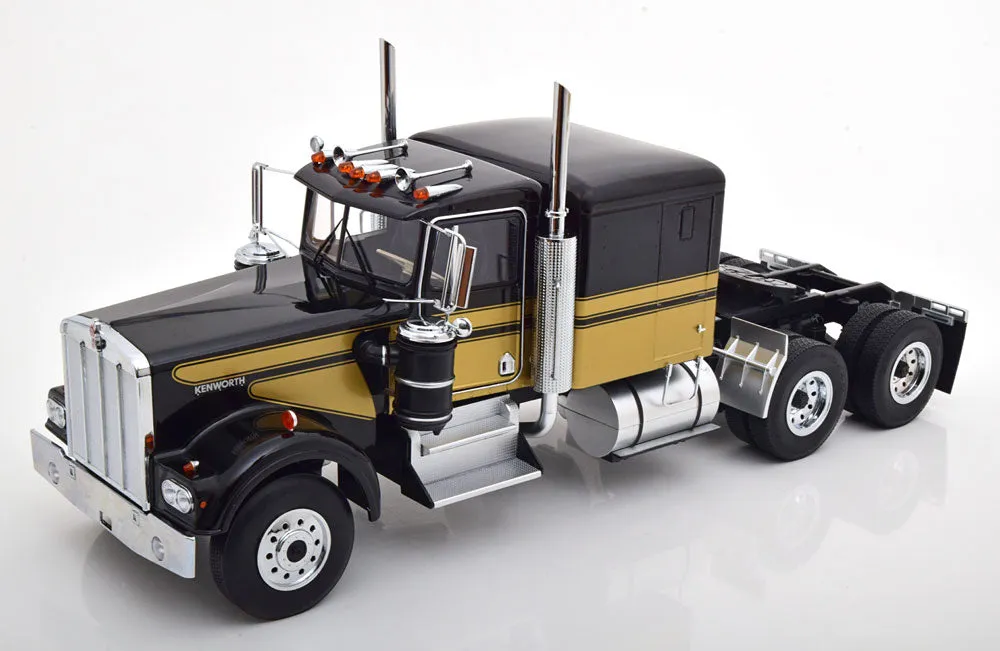
What Are Diecast Metal Model Truck Kits?
Diecast metal model truck kits offer a captivating blend of engineering and artistry, allowing enthusiasts to build highly detailed miniature replicas of their favorite trucks. These kits typically include pre-molded metal parts, often made of zinc alloy, along with plastic components, decals, and detailed instructions. The appeal of these kits lies in the hands-on experience of assembly, the satisfaction of creating a tangible object, and the potential for customization and personalization. From classic vintage trucks to modern haulers, the variety of available kits caters to diverse interests and skill levels. The process of building a diecast metal model truck is a rewarding hobby that provides a creative outlet and a chance to appreciate the intricacies of vehicle design.
Materials and Tools Needed for Diecast Metal Model Truck Kits
To successfully build a diecast metal model truck kit, assembling the right tools and materials is crucial. Firstly, a well-lit and spacious work area is essential. Basic tools include a hobby knife for removing parts from sprues, a set of small files for smoothing edges, and various grades of sandpaper for surface preparation. High-quality plastic cement or super glue is needed for assembling plastic components, while super glue or epoxy is often used for metal parts. Paint, typically acrylic or enamel, and brushes are necessary for painting the model, with an airbrush offering superior results. Other useful tools include tweezers for handling small parts, a cutting mat to protect the work surface, and masking tape for precise painting. Investing in these materials will significantly improve the quality and enjoyment of the building process.
Choosing the Right Diecast Metal Model Truck Kit

Selecting the right diecast metal model truck kit is the first step toward a satisfying build. Consider the scale, which typically ranges from 1:18 to 1:43, depending on desired size and detail. Larger scales offer more intricate details but also require more space and time. Research the manufacturer; some brands are known for superior quality and detailed instructions. Read reviews to gauge the kit’s complexity and potential challenges. Examine the parts count and the level of detail offered, as this will impact the build time and complexity. If you’re a beginner, start with a simpler kit to build your skills, while experienced builders can tackle more complex models. Consider your interest in the specific truck model and the availability of aftermarket parts, such as decals or accessories, to customize the final product.
Top 7 Diecast Metal Model Truck Kits Build Guides
Building diecast metal model truck kits can be a fun and rewarding experience. Here are 7 build guides to get you started and help you master the art of model truck building. Each guide covers a specific aspect of the process, ensuring a comprehensive approach to create a stunning replica. Follow along and enjoy the journey from a collection of parts to a beautifully crafted model.
Build Guide 1 Brand and Kit Selection
Begin by researching different brands offering diecast metal model truck kits. Consider factors like reputation, scale, and the model trucks they offer. Tamiya, Revell, and Italeri are renowned for producing detailed and high-quality kits. Select a kit that matches your skill level and interests. Carefully examine the kit’s contents, including the number of parts, material quality, and the detail level. Check the instruction manual to assess clarity and completeness. This initial step sets the foundation for a successful build, ensuring you have a high-quality kit and a clear roadmap for the project. Choosing the right kit will ensure a fulfilling and enjoyable building process.
Build Guide 1 Preparing the Parts

Once you’ve selected your kit, begin preparing the parts. Carefully remove the components from the sprues using a hobby knife or sprue cutters, ensuring a clean separation. Trim any excess plastic or flash with the knife or a file. For metal parts, lightly sand any rough edges or mold lines to ensure a smooth finish. Organize the parts by type or stage, as this will greatly streamline the building process. Cleaning the parts with a mild detergent and water before assembly can also improve paint adhesion. Proper preparation will ensure the parts fit together well and the paint applies evenly.
Build Guide 1 Assembling the Chassis
The chassis forms the foundation of your model truck. Follow the instructions meticulously when assembling the chassis components. Use the appropriate adhesive, typically plastic cement for plastic parts and super glue or epoxy for metal parts. Ensure all parts align correctly and that the chassis is square and level. Allow sufficient time for the adhesive to cure before moving on. Pay close attention to any suspension or drivetrain components, as these will affect how the model looks. A properly assembled chassis is crucial for the overall stability and appearance of your model.
Build Guide 2 Body Construction
Next, construct the truck’s body. This usually involves assembling the cab, bed, and any other exterior details. Refer to the instructions carefully and ensure all parts fit flush. Use the correct adhesive for plastic or metal components. Pay close attention to details like panel lines, doors, and windows. The body often requires painting; prepare the surfaces by sanding and priming if necessary. Mask off any areas that don’t need to be painted. Body construction is a significant part of building a diecast metal model truck, so take your time and focus on the details. A well-built body will elevate your model’s overall appearance.
Build Guide 2 Detailing and Painting

Once the body is assembled, detailing and painting are crucial steps. Start by priming the model to prepare the surface for paint. Use an airbrush for a smooth, even finish. Apply multiple thin coats of paint, allowing each coat to dry before applying the next. Carefully paint details like trim, lights, and badges using fine brushes and masking tape. Decals add realism to your model; apply them with care, using decal setting solutions to help them conform to the surface. Correct painting and detailing make the model appear realistic and showcase your skills and precision. Invest in quality paints and tools for the best results.
Build Guide 3 Wheel and Tire Assembly
The wheels and tires significantly impact the model’s overall appearance. Assemble the wheels and tires according to the instructions. Ensure the tires fit snugly on the wheels and that all parts are aligned correctly. Some kits include detailed wheel designs. Paint the wheels if required, and consider adding weathering effects to the tires for added realism. Carefully attach the wheels to the chassis, ensuring proper alignment and fit. Properly assembled wheels and tires will enhance the model’s realism and complete the overall look. Take time to ensure everything is aligned and secure.
Build Guide 4 Decals and Finishing Touches
Decals add the finishing touches, providing branding, markings, and detailing. Carefully apply decals, using setting solutions to help them conform to the model’s curves. Trim any excess film around the decals with a sharp knife. Once the decals are dry, you can add a clear coat to protect them and create a uniform finish. After adding decals, review the entire model to ensure all parts are attached and that any touch-up paint is applied. The final result should be a detailed and authentic replica of the truck. Take your time and enjoy the satisfaction of completing your diecast metal model truck.
Common Mistakes to Avoid When Building Diecast Metal Model Truck Kits

Building diecast metal model truck kits can present challenges, so avoiding common mistakes is important. Rushing the build is a primary mistake, as it often results in poor fit and finish. Not reading instructions carefully can lead to misassembly. Using the wrong type of glue can cause parts to detach. Over-applying paint can obscure detail. Forgetting to prime the model can lead to paint adhesion problems. Forgetting to clean the parts before assembly can also lead to issues. Addressing these common pitfalls will ensure a more successful build and a better-looking final product. Practice and patience are key to avoiding these mistakes.
Tips for Displaying Your Diecast Metal Model Truck Kits
Proper display enhances the appreciation of your finished diecast metal model truck kits. Consider using a display case to protect your model from dust and damage. Choose a case that provides good visibility and lighting, such as a glass or acrylic display case. A diorama base adds context and realism to your model, allowing you to create a scene. Lighting is important for showcasing the details of the model; consider adding spotlights or LED strips. Avoid direct sunlight, as it can fade the paint over time. Organize your display based on scale, make, or theme for a visually appealing setup. With proper display, your models will be showcased effectively, and the craftsmanship can be admired for years to come.