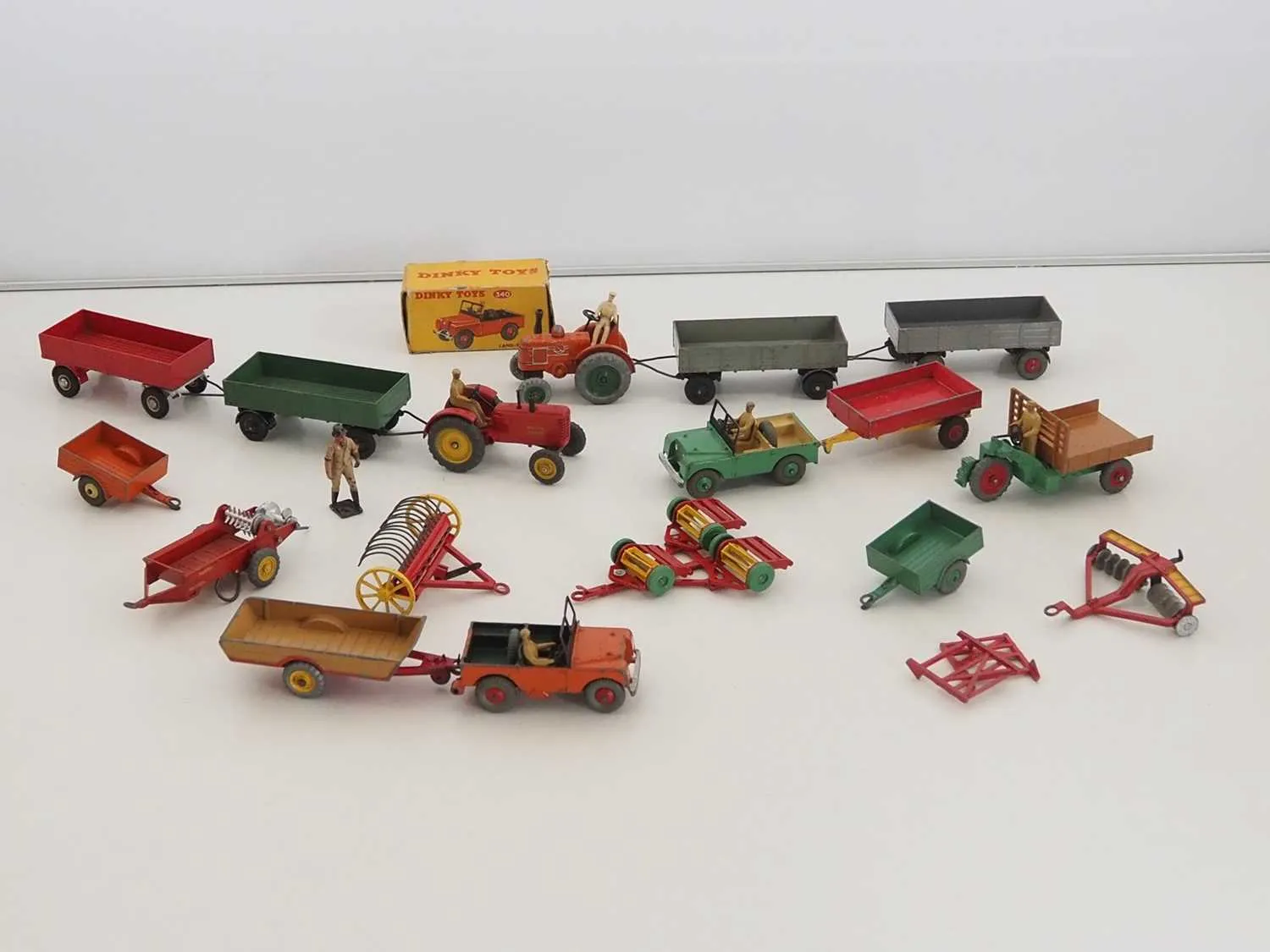
What Are Diecast Farm Toys
Diecast farm toys are miniature replicas of agricultural machinery and equipment, meticulously crafted using the die-casting process. This involves injecting molten metal – typically zinc alloys, though sometimes other metals are used – into molds to create highly detailed models. These toys capture the essence of real-life tractors, combines, plows, and other farm implements, making them a popular choice among collectors and hobbyists. The appeal of diecast farm toys lies in their accuracy, durability, and the wide variety of models available, reflecting the diverse range of equipment used in modern and historical farming practices. They provide a tangible link to the world of agriculture, allowing enthusiasts to appreciate the engineering and design of these essential machines in a compact and collectible form.
Materials and Construction
The construction of diecast farm toys is a testament to the precision of the die-casting process. The primary material used is usually a zinc alloy, known for its ability to capture fine details and its durability. This molten metal is forced into steel molds under high pressure, ensuring that every intricate feature of the original equipment is replicated. After the metal solidifies, the models are carefully removed from the molds and undergo further processes such as painting, detailing, and assembly. This process allows for the creation of incredibly detailed and realistic models. The paintwork is often applied using techniques that mimic the colors and markings of the actual farm equipment, adding to their authenticity. Some models also include plastic components for details like tires, windows, and other elements, further enhancing their realism.
Scales and Sizes

Diecast farm toys come in a variety of scales, the most popular being 1:16, 1:32, and 1:64. The scale refers to the ratio between the size of the model and the actual size of the real-life equipment. For instance, a 1:16 scale model is 1/16th the size of the original machine. Each scale offers a different appeal, with 1:16 models being larger and more detailed, making them ideal for display and close inspection, while 1:64 models are smaller and more affordable, making them easier to collect and store. 1:32 scale offers a balance between detail and size, being popular among collectors. The choice of scale often depends on personal preference, available display space, and the desired level of detail. Collectors often specialize in a particular scale to maintain consistency in their collection and to facilitate easier organization and display.
Why Collect Diecast Farm Toys
Collecting diecast farm toys offers a unique blend of nostalgia, educational value, and the potential for investment. For many, these toys evoke cherished childhood memories of playing on the farm or simply admiring the machinery. Beyond their sentimental value, these models serve as a tangible connection to the history and evolution of farming practices, providing a fascinating glimpse into the technological advancements in agriculture. The collecting of these toys can also prove to be a wise investment, with rare or limited-edition models appreciating in value over time, especially those in pristine condition. The combination of these factors makes diecast farm toys an appealing hobby for a wide range of people, from those seeking a trip down memory lane to those interested in investment opportunities or the historical significance of agriculture.
Nostalgia and Childhood Memories
For many collectors, diecast farm toys are inextricably linked to fond memories of childhood. Whether it was the joy of playing with these models in the sandbox, the excitement of receiving a new tractor as a gift, or the fascination with the intricate details of the machinery, these toys often hold a special place in the hearts of their owners. They serve as a tangible reminder of simpler times, evoking feelings of warmth and happiness. The act of collecting and rediscovering these toys can be a deeply nostalgic experience, allowing individuals to reconnect with their past and relive cherished moments from their youth. This emotional connection is a primary driver for many collectors, making the hobby far more than just a pastime; it’s a way to preserve and celebrate a cherished part of their personal history.
Educational Value

Diecast farm toys offer significant educational value, providing a hands-on way to learn about agricultural machinery, engineering, and the history of farming. The detailed models provide insight into the mechanics of tractors, combines, and other equipment, allowing individuals to understand their function and operation. They also serve as a gateway to explore the evolution of farming technologies, from the earliest horse-drawn plows to the modern, technologically advanced machines used today. This can be particularly enriching for children, sparking an interest in science, technology, engineering, and mathematics (STEM) fields. Collecting these toys can therefore be a fun and engaging way to learn about the agricultural sector. It also helps to appreciate the skills and innovation required to feed the world.
The Investment Potential
Certain diecast farm toys can be a sound investment, with some models appreciating in value over time, particularly those that are rare, limited edition, or in excellent condition. Factors that influence the value of a diecast toy include its rarity, the manufacturer, the scale, the level of detail, and the overall condition. Limited edition models, those made in small production runs, or those featuring unique details often command higher prices. The condition is paramount; toys that are still in their original packaging and have been meticulously maintained are particularly valuable. Furthermore, specific manufacturers and models are more sought after by collectors, leading to increased demand and higher prices. For those looking to collect diecast farm toys as an investment, it’s important to research the market, understand the factors that influence value, and acquire models that are likely to appreciate over time.
How to Start Your Collection
Starting a diecast farm toy collection can be a rewarding experience. Begin by defining your focus; this involves determining what aspects of farm equipment you’re most interested in. Next, select a scale that appeals to you. Consider available display space and your budget. Finally, explore the various avenues for acquiring models, such as online marketplaces, specialty shops, and toy shows. With a clear plan in place, you’ll be well on your way to building a collection that brings you joy and potentially, financial benefits. The key is to start small, learn about the market, and enjoy the process of building your collection over time. As your collection grows, so will your knowledge and appreciation for these remarkable miniature machines.
Defining Your Focus

One of the most important first steps when starting a diecast farm toy collection is defining your focus. This involves deciding what types of models you’re most interested in collecting. You might, for example, focus on a specific brand, such as John Deere or Case IH, or you could concentrate on a particular type of equipment, such as tractors, combines, or hay balers. Some collectors choose to specialize in models from a certain era, reflecting their interest in the history of agricultural technology. Others may focus on a specific scale, such as 1:16. By narrowing your focus, you can streamline your collecting efforts, making it easier to find and acquire the models you’re interested in, while also providing a sense of purpose and direction to your collecting journey. Defining your focus also helps you to build a cohesive collection that reflects your personal interests and preferences.
Choosing a Scale
Choosing the right scale is a crucial decision when starting a diecast farm toy collection. The scale determines the size and level of detail of the models, impacting both their appearance and their suitability for display and storage. The most popular scales for diecast farm toys include 1:16, 1:32, and 1:64. 1:16 scale models are larger and offer a high degree of detail, making them ideal for close inspection and display. 1:32 scale models strike a good balance between detail and size, while 1:64 scale models are smaller and more affordable, making them a good option for those looking to build a large collection without taking up too much space. Consider the amount of space you have available for display, your budget, and your personal preferences when making your decision. Once you’ve chosen a scale, it’s generally best to stick with it, creating a consistent look and feel throughout your collection.
Setting a Budget
Setting a budget is an essential step in starting a diecast farm toy collection, helping you to manage your finances and ensure that your hobby remains enjoyable and sustainable. Determine how much you can realistically afford to spend on a regular basis, whether it’s monthly, quarterly, or annually. Consider the cost of the models, shipping, display cases, and any other related expenses. Research the prices of the models you’re interested in to get an idea of what you’ll need to spend. It’s also important to factor in the potential for unexpected costs, such as shipping damages or the desire to purchase a particularly rare or expensive model. Sticking to your budget will help you to avoid overspending and allows you to collect at a pace that suits your financial situation. Remember, collecting should be fun, so don’t feel pressured to spend more than you can comfortably afford.
Where to Buy Diecast Farm Toys

There are several avenues for acquiring diecast farm toys, each offering a unique set of advantages. Online marketplaces, specialty shops, and toy shows and events provide diverse opportunities to find and purchase models. Researching different options and understanding their respective benefits and drawbacks will ensure a satisfying collecting experience. The best approach often involves a combination of these methods, allowing you to take advantage of the various offerings and find the best deals. Whether you’re looking for the thrill of the hunt at a toy show or the convenience of online shopping, the key is to explore the different resources and identify the ones that best suit your needs and preferences.
Online Marketplaces
Online marketplaces such as eBay, Amazon, and specialized forums are excellent resources for finding diecast farm toys. These platforms offer a vast selection of models from various manufacturers, scales, and conditions, providing collectors with a broad range of choices. The convenience of online shopping allows you to browse and purchase toys from the comfort of your home, with the added benefit of detailed descriptions, photos, and user reviews to help you make informed decisions. Auction formats on sites like eBay can present opportunities to find rare or vintage models at competitive prices. However, it’s essential to exercise caution when buying online. Check the seller’s feedback and read descriptions carefully. Also, compare prices to ensure you’re getting a fair deal. Additionally, be aware of shipping costs and any potential import duties, particularly if you’re buying from an international seller. Overall, online marketplaces offer a convenient and expansive way to build your diecast farm toy collection.
Specialty Shops
Specialty shops and toy stores that specialize in diecast models are great sources for acquiring farm toys. These shops typically offer a curated selection of models, often including rare, limited-edition, or vintage pieces. The staff in these stores are often knowledgeable and passionate about diecast toys, providing valuable insights, advice, and assistance to collectors. Specialty shops also provide the opportunity to see the models in person, allowing you to assess their quality, condition, and details before making a purchase. You might find local shops by searching online or through recommendations from fellow collectors. Visiting these stores gives a unique experience to connect with other collectors, and support businesses dedicated to the hobby. They can become valuable resources as your collection grows.
Toy Shows and Events

Toy shows and events provide a unique opportunity to discover and purchase diecast farm toys, connect with other collectors, and expand your collection. These gatherings bring together dealers, collectors, and enthusiasts, creating a vibrant marketplace for buying, selling, and trading models. Toy shows offer a chance to see a wide variety of models in person, including rare, vintage, and hard-to-find pieces. They also provide a chance to negotiate prices, learn about the hobby, and connect with other collectors. Attending these events allows you to expand your collection and deepen your passion for diecast farm toys. You can find information about upcoming toy shows and events by searching online or through collector groups. Remember to bring cash, be prepared to bargain, and most importantly, have fun exploring the world of diecast farm toys.
Caring for Your Collection
Caring for your diecast farm toy collection is crucial to preserving its value and ensuring that your models remain in excellent condition. Proper cleaning, maintenance, and storage are essential for protecting your investment and enjoying your collection for years to come. Regular care can prevent damage from dust, sunlight, and other environmental factors. The extra time spent on caring for your collection will contribute to its longevity, and ultimately enhance your enjoyment of this rewarding hobby. Proper care also applies to showcasing your toys in an aesthetically pleasing way, as well as keeping them safe from unwanted damage. Taking these steps can help to safeguard your collection’s value and maintain its beauty and appeal.
Cleaning and Maintenance
Regular cleaning and maintenance are key to preserving the condition of your diecast farm toys. Dust is the enemy of any collection, so wiping down your models with a soft, dry cloth or a specialized brush is a regular practice. For more stubborn dirt or grime, use a slightly damp cloth, but avoid harsh chemicals or abrasive cleaners. When cleaning, be sure to pay attention to intricate details. You may want to use a toothpick or a soft brush to clean hard-to-reach areas. Inspect your models regularly for any signs of damage, such as chipped paint or loose parts. If you find any issues, address them promptly to prevent further deterioration. Furthermore, consider using a wax polish specially formulated for diecast models to protect the paintwork and give your models a shiny finish. This preventative care will keep your collection looking its best and extend its lifespan.
Storage Solutions

Proper storage is essential for protecting your diecast farm toys from damage, dust, and sunlight. Displaying your models in a well-lit cabinet or display case is a great option, but if you have a large collection, consider using storage boxes or drawers. For individual models, clear plastic cases or protective sleeves can safeguard them from scratches and other damage. The storage environment should be cool, dry, and away from direct sunlight. Sunlight can fade paint, and extreme temperatures can cause materials to degrade. Avoid storing your models in areas prone to moisture, such as basements or attics. Consider using acid-free tissue paper or foam inserts to cushion the models. By utilizing these simple storage solutions, you can ensure the longevity and preserve the condition of your diecast farm toy collection.
Displaying Your Toys
Displaying your diecast farm toys allows you to showcase your collection and appreciate the beauty and detail of each model. There are various display options. Display cases, shelves, and shadow boxes are suitable for displaying models. Arrange the toys by brand, scale, or type of equipment to create a visually appealing display. Use lighting to highlight details and draw attention to your collection. Place your models on a surface protected from sunlight, dust and humidity. When displaying your collection, consider adding model farm scenery or miniature figures to create a more immersive and realistic scene. Regularly rotate your display to keep things fresh and interesting. Whether you choose a minimalist approach or a more elaborate setup, the goal is to create a display that reflects your personality and allows you to enjoy your collection.