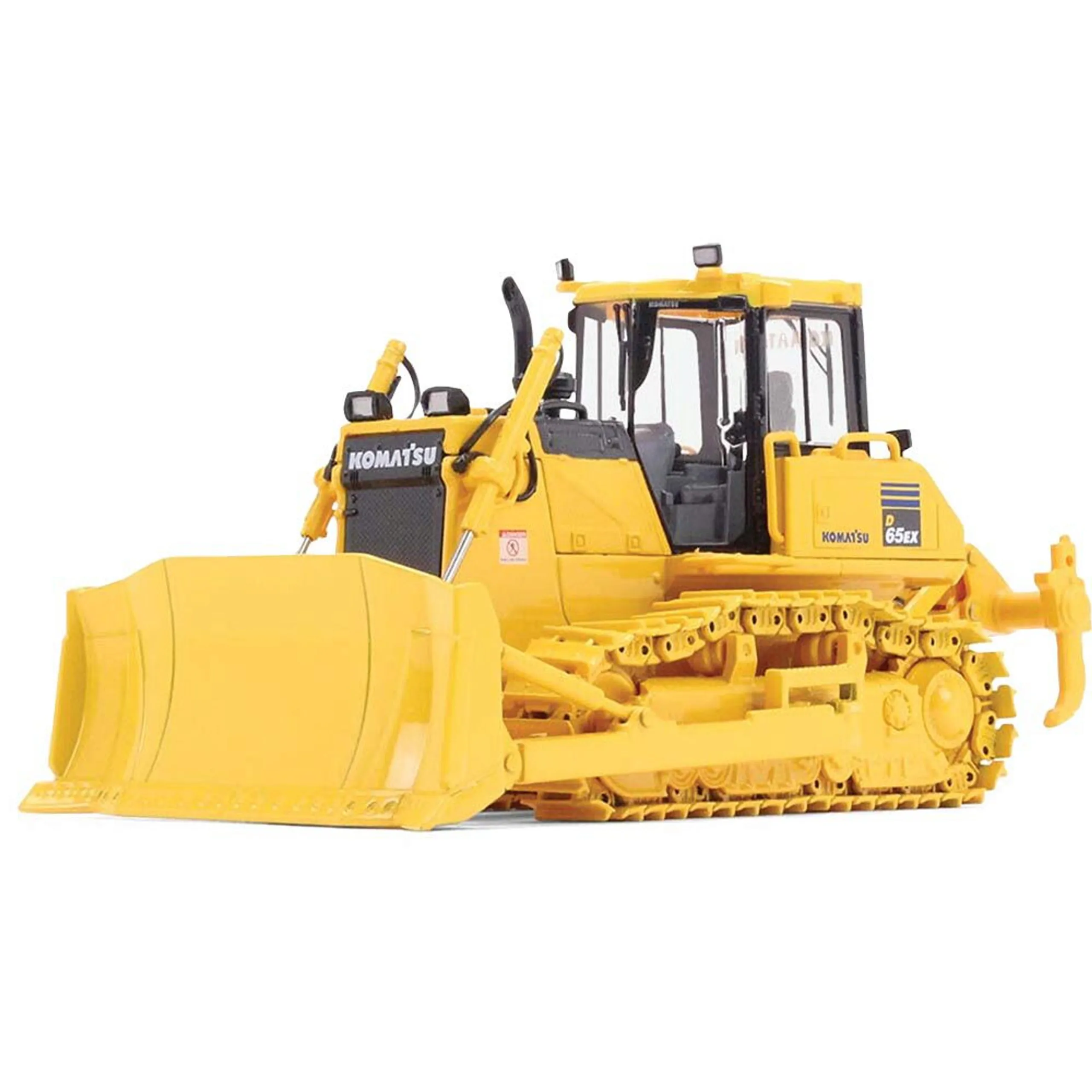
What is Diecast Construction
Diecast construction refers to the manufacturing process used to create metal models and toys, using a technique known as die casting. This method involves injecting molten metal, typically zinc alloys, aluminum, or steel, into molds (or dies) to create intricate and detailed shapes. The process is incredibly versatile, allowing for the mass production of complex designs, making it a favorite for creating everything from miniature vehicles to detailed architectural models. Diecast construction is celebrated for its durability, accuracy, and the fine level of detail achievable, making it a cornerstone of the model-making and collectibles industries. The precision and efficiency of die casting make it an ideal method for producing high-quality, aesthetically pleasing, and robust products that can withstand handling and last for years.
The History of Diecast Construction
The history of diecast construction is a fascinating journey that mirrors advancements in manufacturing technology. The origins of die casting can be traced back to the late 19th century, with early applications in the production of typewriters and other small metal components. However, the true boom in diecast construction came in the early 20th century, coinciding with the rise of the automobile industry and the demand for realistic model cars. Companies like Dinky Toys and Matchbox pioneered the use of die-casting for toy production, forever changing the landscape of children’s toys. These early models, with their intricate details and robust construction, quickly became popular, setting the standard for what diecast models could achieve. The advancements in die-casting technology continuously refined the process, allowing for more complex designs, improved accuracy, and the use of a wider range of materials. This evolution has led to the diverse and highly detailed diecast models we know and love today.
Materials Used in Diecast Construction

The choice of materials is a critical factor in diecast construction, influencing the durability, appearance, and cost of the final product. Several materials are commonly used, each with its own unique properties and advantages. These materials are selected based on the desired characteristics of the model, such as weight, strength, and the ability to capture fine details. The combination of these materials and the precision of the die-casting process allows for the creation of highly detailed and durable models that can withstand the test of time. The selection of materials also plays a crucial role in determining the model’s overall quality and collectability, as certain materials are more desirable for collectors.
Zinc Alloy
Zinc alloys are the most frequently used materials in diecast construction due to their excellent castability, low melting point, and ability to reproduce fine details. Zinc alloys are also relatively inexpensive, making them an economical choice for mass production. Zinc provides good dimensional stability and can be easily finished with paint, plating, or other coatings. This allows for a wide range of aesthetic possibilities, from realistic paint schemes to shiny chrome finishes. The flexibility of zinc alloys to accommodate intricate designs is also a significant advantage, enabling manufacturers to create complex models with intricate details that would be difficult to achieve using other materials.
Aluminum
Aluminum is another popular choice for diecast construction, known for its lightweight properties, high strength-to-weight ratio, and excellent corrosion resistance. While more expensive than zinc alloys, aluminum is often used for high-end models and components where durability and performance are critical. Aluminum alloys provide superior thermal conductivity, which is beneficial for die casting, as it helps dissipate heat and allows for faster production cycles. The ability to produce models with complex designs and intricate details, combined with its lightweight nature and resistance to corrosion, make aluminum a prime choice for building high-quality, durable models.
Steel

Steel is less commonly used in diecast construction compared to zinc and aluminum but can be found in certain applications where extreme strength and durability are required. Its higher melting point and the complexity of the die-casting process make steel a less economical choice for mass production. However, the strength of steel makes it ideal for components that need to withstand significant stress or wear. The use of steel in diecast construction is typically reserved for specific parts of models, such as axles or chassis, where the increased strength is necessary. Although it can be more challenging to work with, the outcome is a robust and durable model that can endure heavy use.
The Diecast Construction Process
The diecast construction process is a sophisticated manufacturing technique that involves several critical steps. These steps must be carefully executed to ensure high-quality models. The precision and control throughout these steps are key to achieving the intricate details and durability that diecast models are known for. From the initial design to the final finishing touches, each stage of the process plays a vital role in the production of these detailed miniatures.
Mold Design
Mold design is the foundational step in diecast construction. The mold, or die, is a meticulously engineered tool that determines the shape and details of the final product. The design of the mold is a complex process that considers the desired model features, material properties, and manufacturing requirements. Sophisticated software and precision machining are used to create intricate molds that can withstand the high pressures and temperatures of the die-casting process. Careful consideration must be given to features like gate locations (where molten metal enters the mold), vents (to allow air to escape), and ejection pins (to remove the finished parts). The precision of the mold design dictates the final accuracy and detail of the diecast model.
Injection

Once the mold is ready, the injection phase begins. Molten metal (zinc alloy, aluminum, or steel) is forced into the mold under high pressure. This injection process ensures that the molten metal fills all the intricate details of the mold. The pressure forces the metal into every nook and cranny, allowing for the precise reproduction of complex shapes and fine details. The injection parameters, such as temperature, pressure, and injection speed, are carefully controlled to achieve the desired part quality. The speed and force of the injection are critical; too little, and the mold may not fill completely; too much, and defects can occur. The skill of the operators in this phase greatly impacts the final result.
Cooling and Ejection
After the metal is injected, the mold needs to cool, allowing the metal to solidify into the shape of the model. Cooling times depend on the material, mold size, and complexity, but cooling is crucial for the structural integrity of the part. Cooling occurs within the mold itself, often with the assistance of internal water channels. Once the metal has solidified, the mold opens, and the finished part is ejected. Ejection pins are strategically placed within the mold to push the solidified part out without damaging it. The design of the ejection system is another critical factor in the overall quality of the diecast model, ensuring that the part is released efficiently and accurately.
Post-Processing and Finishing
Post-processing and finishing are the final steps in the diecast construction process, involving a series of operations to refine the model and prepare it for the market. This can include trimming excess material, removing flash (small imperfections), and surface treatments. These treatments enhance the appearance, durability, and corrosion resistance of the finished part. Common finishing techniques include painting, plating, polishing, and applying decals or other decorative elements. This stage is often labor-intensive and requires skilled technicians to achieve the desired aesthetic and quality standards. The final details and finishes determine a model’s perceived value and collectability.
Types of Diecast Models

Diecast construction is a versatile technique that lends itself to creating a wide range of models, each with its own unique appeal. The variety of diecast models available reflects the diversity of interests and hobbies of collectors. From realistic vehicles to imaginative figures and architectural marvels, the versatility of diecast construction is evident in the wide range of models produced.
Vehicles
Vehicles are perhaps the most popular type of diecast model, with cars, trucks, motorcycles, and airplanes being highly sought after by collectors. These models range from accurately replicated historic vehicles to modern supercars. The level of detail varies, with some models featuring fully functional parts, such as opening doors, working suspensions, and detailed interiors. Vehicle models represent different scales and eras, allowing collectors to build extensive collections that reflect their interests. The realistic detail and variety available make vehicle models a cornerstone of the diecast construction industry.
Buildings
Diecast construction is also used to create detailed architectural models. These can range from small-scale replicas of famous landmarks to entire cityscapes. Building models showcase the precision and versatility of die casting. The ability to reproduce intricate architectural features, such as windows, doors, and decorative elements, makes diecast an excellent choice for this application. Collectors and hobbyists often use these models to create elaborate dioramas and displays, celebrating architectural heritage.
Figures

Diecast figures, often representing characters from movies, comics, or video games, have also become a significant part of the diecast market. The ability to capture complex poses and fine details makes diecast construction a suitable method. The use of multiple materials and finishing techniques allows manufacturers to create figures with realistic features and textures. These figures cater to a broad audience, from casual collectors to devoted fans of specific franchises. The detail and durability make diecast figures ideal collectibles.
Diecast Construction and Collectibles
Diecast models are highly valued as collectibles, with the appeal stemming from a combination of factors, including historical significance, rarity, and the level of detail. The collectibles market for diecast models is dynamic, with prices varying based on these factors. The collecting of diecast models is a passion that combines appreciation for craftsmanship, historical context, and a connection with a certain period.
Rarity and Value
Rarity is a crucial factor in determining the value of a diecast model. Limited edition models or those produced in smaller quantities tend to be more valuable. The condition of the model is also crucial; models in pristine condition are more valuable. Collectors place a premium on models that are in their original packaging and have been well-preserved. The model’s historical significance, its association with a particular event or era, can also influence its value. Rare and well-preserved models can command high prices in the collectibles market.
Collecting Tips

For those interested in starting a diecast collection, there are several helpful tips to consider. Research is critical; understanding the history of diecast models and the different brands and manufacturers is helpful. Identifying models of interest, as well as setting a budget, are important steps. Buying models from reputable sources, such as specialized retailers and online auctions, is a good strategy to ensure authenticity and quality. Taking care of the models and storing them in a controlled environment can help preserve their condition. Connecting with other collectors and attending collectors’ events can also provide valuable insights and networking opportunities.
Diecast Construction in Modern Technology
Diecast construction is evolving with technological advancements. Innovations like 3D printing are changing model design and production. This integration of traditional methods with contemporary technologies is pushing the boundaries of what is achievable in the diecast industry.
3D Printing and Diecast
3D printing has revolutionized the diecast industry by providing new opportunities for model design and customization. 3D printing allows for rapid prototyping, enabling designers to create and test new models quickly. It also allows for the creation of highly detailed models with intricate designs that would be difficult to achieve with traditional methods. Some manufacturers are using 3D-printed parts in conjunction with diecast components to create hybrid models. This combination of technologies allows for greater design freedom and improved customization options, further enhancing the appeal of diecast models.
Applications

The applications of diecast construction continue to expand. In addition to the collectibles market, diecast models are used in several other areas. They are used in architectural models, which help designers and architects visualize their projects before construction begins. Diecast models are also used in educational settings to demonstrate mechanical principles and to teach about different vehicle types. The automotive industry often uses diecast models for promotional purposes. The precision and durability of diecast construction make it useful in different contexts.
The Future of Diecast Construction
The future of diecast construction looks promising, with continued technological advancements and evolving collector interests. Several trends and innovations suggest that the diecast industry will remain dynamic and innovative for years to come.
Innovations
Innovation is driving the evolution of diecast construction, with advancements in materials, manufacturing processes, and design techniques. New materials are being developed to improve model durability, aesthetics, and performance. Automation and robotics are increasingly being used to streamline the production process, improving efficiency and reducing costs. The use of advanced design software and 3D modeling tools is enabling the creation of more complex and detailed models. These innovations are not only improving the quality of diecast models but also opening up new possibilities for customization and design.
Trends
Several trends are shaping the future of diecast construction. A growing interest in vintage and classic models is driving the demand for accurate replicas of historic vehicles. There’s a rise in customization options, with collectors seeking unique models that reflect their personal preferences. Sustainability is becoming more critical, with manufacturers looking for environmentally friendly materials and production processes. The integration of technology, such as augmented reality, is enhancing the collecting experience. These trends are expected to continue, ensuring the diecast industry stays dynamic.