What Are Diecast Cars
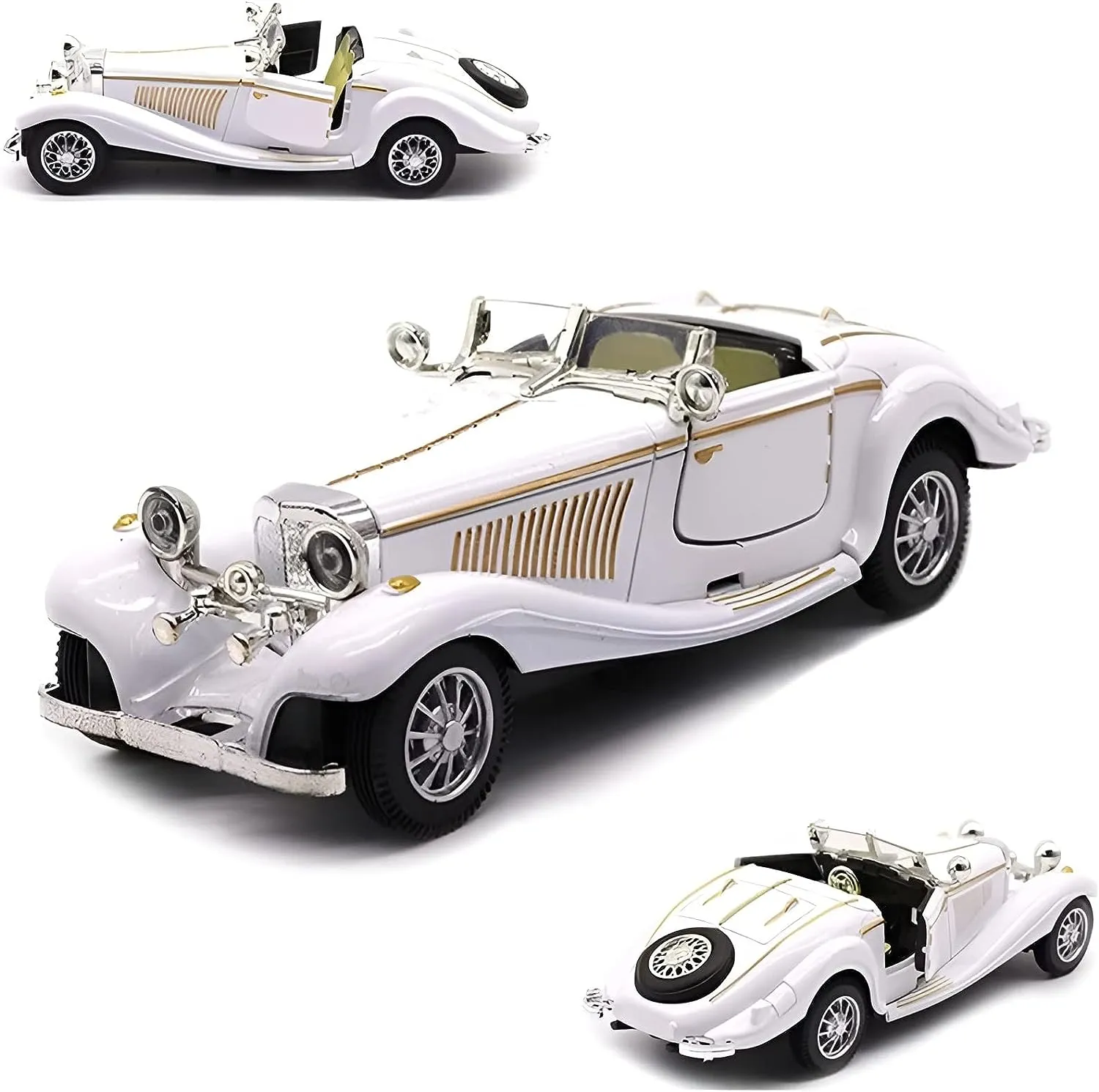
Diecast cars are miniature vehicles made using a die-casting process, where molten metal is poured into molds to create detailed replicas. These toys, often crafted from zinc alloys, are celebrated for their intricate designs and the nostalgia they evoke. Collecting diecast cars has evolved from a childhood pastime to a serious hobby, driven by a passion for scale models, automotive history, and investment potential. The value of diecast toy cars hinges on several factors, including their rarity, condition, brand, and the level of detail present. Whether you are a seasoned collector or just starting, understanding these elements is key to appreciating and navigating the world of diecast cars.
The History of Diecast Cars
The history of diecast cars spans over a century, with their evolution reflecting changes in manufacturing, technology, and cultural trends. From their inception as basic toys, these miniature vehicles have grown into highly detailed collectibles, cherished by enthusiasts worldwide. The journey of diecast cars is not just a history of toys, but a reflection of the automotive industry and its impact on society. Early examples showcase the ingenuity of early manufacturers, while modern versions highlight advancements in design and production. The value of diecast toy cars is often tied to their historical significance, with older models, especially those in excellent condition, commanding premium prices.
Early Diecast Cars
The earliest diecast cars emerged in the early 20th century, primarily as simple toys. These initial models were often crude compared to modern standards, but they laid the foundation for the intricate designs and superior craftsmanship seen today. These early cars were often made of lead or other heavy metals, and they were designed to be durable. The appeal of these early models lies in their historical significance and rarity. Collectors prize these pieces, as they represent the beginning of a beloved hobby. The value of diecast toy cars from this era is influenced by the materials used, the manufacturer, and the condition.
The Golden Age
The mid-20th century witnessed the golden age of diecast cars, marked by advancements in manufacturing techniques and the introduction of iconic brands. Manufacturers began producing more detailed and realistic models, appealing to both children and adult collectors. This period saw the rise of legendary brands. The models from this era are highly sought after, reflecting the technological advances and the cultural impact of the automotive industry. The value of diecast toy cars from the golden age is determined by their design, condition, and the brand’s legacy.
Modern Diecast Cars
Modern diecast cars showcase the pinnacle of miniature vehicle design, featuring enhanced detailing, realistic paint jobs, and intricate interior designs. Advancements in materials and manufacturing processes allow for an unmatched level of realism. Collectors now have access to a wide range of models, from vintage cars to contemporary supercars. The detail and variety found in today’s models make them highly desirable for collectors, and advancements in manufacturing allow for much higher production values. The value of diecast toy cars in the modern era is determined by the accuracy of the details, the quality of the materials, and the popularity of the model in real life.
Factors Affecting Value
Several factors contribute to the value of diecast toy cars, making them a multifaceted investment for collectors. Understanding these elements is critical to assessing the worth of a diecast car. These factors, including rarity, condition, brand, and scale, collectively determine the financial and sentimental value of these collectible items. Careful evaluation of these factors can help collectors make informed decisions when buying, selling, or simply appreciating their collection. The value of diecast toy cars is more than just their physical attributes; it is the culmination of historical significance, manufacturing quality, and market demand.
Rarity and Limited Editions
Rarity significantly impacts the value of diecast cars. Limited-edition models, those produced in small quantities, often command higher prices. The scarcity of these items makes them highly desirable among collectors, leading to increased demand and higher valuations. Furthermore, special promotional models and those exclusive to specific events or regions are also considered rare, driving their value up. The rarity of a diecast car is frequently a key factor in determining its market price and its desirability within the collector community. The value of diecast toy cars is in part determined by the exclusivity that limited editions offer to collectors.
Condition and Preservation
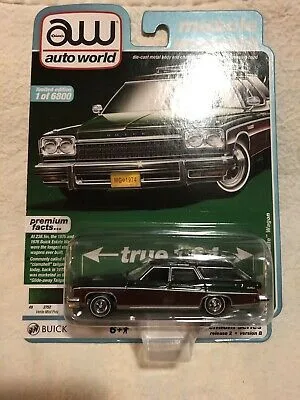
The condition of a diecast car plays a crucial role in determining its value. Pristine, mint-condition models with their original packaging are highly valued, as they reflect the car’s preservation over time. Any signs of wear, such as scratches, paint chips, or missing parts, can significantly reduce the car’s value. Collectors prioritize cars that have been well-preserved, preferably stored in a controlled environment to prevent damage. Careful storage and handling are essential for maintaining the value of a diecast car. The value of diecast toy cars is heavily reliant on their physical state.
Brand and Manufacturer
The brand and manufacturer of a diecast car strongly influence its value. Certain brands, like Hot Wheels, Matchbox, and others with a long history of producing quality miniatures, are highly sought after. The reputation of a brand for detail, accuracy, and collectibility can drive up the price of its models. Collectors often specialize in particular brands or manufacturers, further increasing demand. Some manufacturers have cult followings due to their attention to detail. The value of diecast toy cars is closely related to the brand and the perceived quality and prestige associated with it.
Scale and Detail
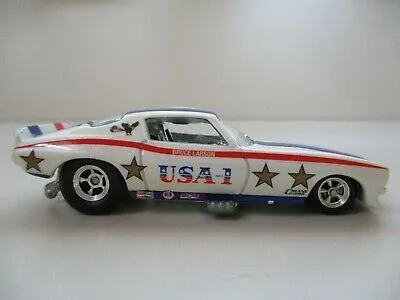
The scale and level of detail are significant factors in determining the value of a diecast car. Models with intricate features, such as detailed interiors, opening doors, and realistic paint jobs, are generally more valuable. Common scales, such as 1:18, 1:24, and 1:43, are popular among collectors. The accuracy of the model to the real-life vehicle is also important, with a highly detailed car more likely to attract buyers. The value of diecast toy cars is often tied to the attention to detail and accuracy of the models.
Popular Diecast Car Brands
Several brands have become synonymous with diecast car collecting, each with a dedicated following. Understanding the distinct characteristics and popularity of these brands can provide insight into the diecast car market. These brands contribute significantly to the hobby, influencing trends and shaping collectors’ preferences. Each brand offers a unique perspective on the world of miniature vehicles, catering to diverse tastes and interests.
Hot Wheels
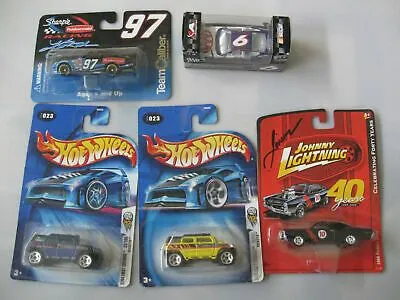
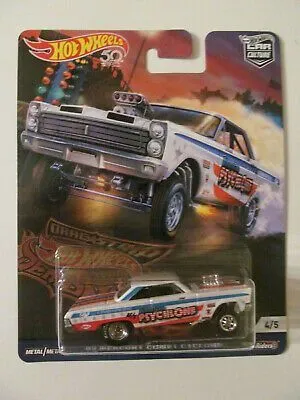
Hot Wheels, with its vibrant designs and extensive range, is a cornerstone of the diecast car world. The brand is celebrated for its affordable, mass-produced models, which are popular among children and collectors alike. Hot Wheels often features exclusive releases and collaborations, driving demand. The variety and accessibility of Hot Wheels have made it a globally recognized brand. The value of diecast toy cars made by Hot Wheels varies, with rare models often worth a significant amount.
Matchbox
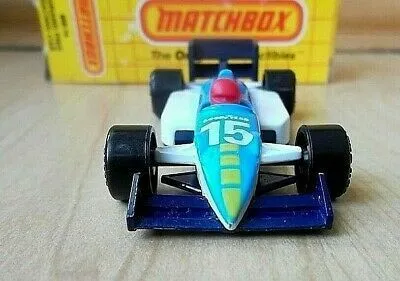
Matchbox is another iconic brand in the diecast car market, known for its realistic designs and high-quality craftsmanship. Initially designed as toys that could fit in a matchbox, Matchbox has grown to include a wide array of vehicles. Matchbox models are known for their durability and attention to detail, appealing to both children and adult collectors. Many Matchbox cars are valuable, with the earliest models commanding very high prices. The value of diecast toy cars from Matchbox is determined by their vintage, condition, and rarity.
Other Notable Brands
Beyond Hot Wheels and Matchbox, several other brands contribute significantly to the diecast car market. These include brands, each offering unique models and features. Premium brands focus on producing highly detailed models, targeting serious collectors. The value of diecast toy cars from these brands varies based on the rarity, quality, and demand for specific models.
Where to Buy and Sell Diecast Cars

The diecast car market offers various avenues for buying and selling, each with its advantages. Choosing the right platform depends on your needs, whether you are looking to expand your collection or sell items from it. Understanding the different options is essential for ensuring successful transactions. Various locations provide collectors with ample opportunities. The value of diecast toy cars can depend greatly on where they are purchased or sold.
Online Marketplaces
Online marketplaces are a primary destination for diecast car enthusiasts. Platforms such as eBay and specialized diecast car websites provide a wide selection of models. These marketplaces offer global reach, allowing buyers and sellers from all over the world to connect. The value of diecast toy cars on online marketplaces varies greatly, influenced by condition, rarity, and seller reputation.
Auctions and Collectibles Shows
Auctions and collectibles shows offer unique opportunities to buy and sell diecast cars. These events provide the chance to find rare items and connect with fellow collectors. Auction houses often feature high-value or vintage models, while collectibles shows allow for direct interaction between buyers and sellers. The value of diecast toy cars sold at auctions and shows is often determined by the competitive bidding process and the demand for specific models.
Tips for Collectors
Collecting diecast cars can be a rewarding hobby, but it requires knowledge, patience, and a strategic approach. Following some tips can help you build a valuable collection and enhance your enjoyment. These tips cover areas from storage to research. Understanding these strategies will make you a better collector. The value of diecast toy cars can be significantly impacted by following these tips.
Storage and Display
Proper storage and display are essential for protecting the value of your diecast car collection. Store your cars in a cool, dry environment away from direct sunlight and extreme temperatures. Consider using display cases to showcase your collection while protecting the cars from dust and damage. The way you store and display your cars significantly impacts their condition and value. The value of diecast toy cars is retained by how they are stored and displayed.
Research and Documentation
Thorough research and documentation are vital for any diecast car collector. Learn about the models you collect, including their history, rarity, and value. Keep detailed records of your collection, including purchase prices, dates, and any relevant information. The more you know about your cars, the better equipped you will be to assess their value and make informed decisions. The value of diecast toy cars is, to some extent, based on your knowledge.
Joining a Community
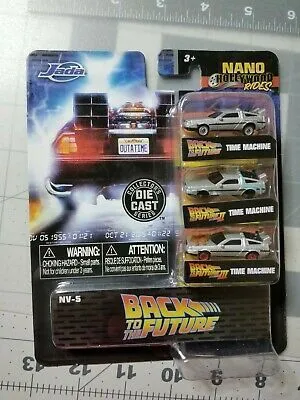
Joining a community of diecast car collectors can enhance your hobby. Online forums, clubs, and social media groups offer opportunities to share knowledge, trade models, and connect with other enthusiasts. Participating in these communities can provide valuable insights and expand your understanding of the diecast car market. Collectors can receive insights from peers by joining diecast car communities. The value of diecast toy cars can be better understood when connected with other collectors.
Conclusion
Diecast cars represent more than just toys; they are collectible treasures with historical significance and significant value. Understanding the factors that influence their worth, from rarity and condition to brand and detail, is essential for collectors. Whether you are starting or already immersed in the hobby, the world of diecast cars offers endless possibilities. The value of diecast toy cars is a dynamic aspect of the collectible world, constantly evolving with collector interest and market trends. Embrace the journey, and enjoy the thrill of the chase and the beauty of these miniature masterpieces. Happy collecting!