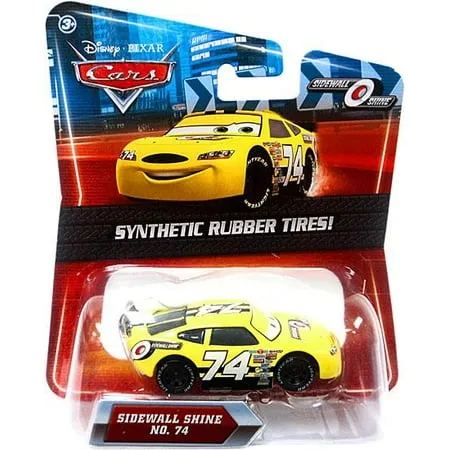
Why Choose Rubber Tires for Diecast Cars
Diecast cars are more than just toys; they’re miniature works of art that capture the essence of real-world automobiles. For enthusiasts, the details make all the difference. One of the most significant details is the type of tires used. Many diecast models come with plastic tires, but those serious about their collections often seek out models with rubber tires. This small change can make a significant improvement in both the model’s visual appeal and its overall quality. The decision to choose rubber tires over other materials can greatly improve your diecast car collection. This guide explains why rubber tires are a popular choice, what factors to consider when choosing them, where to find them, and how to install and maintain them. Investing time in choosing the right tires ensures the quality and longevity of your collection.
Enhanced Realism and Aesthetics
The primary reason to select rubber tires is the increased realism they bring. Rubber tires closely mimic real-world tires, offering a more authentic look. This level of detail is critical for collectors who value accuracy and realism in their models. Rubber tires have a more natural look. Unlike plastic tires, which can appear shiny or overly smooth, rubber has a matte finish that absorbs light and creates a lifelike appearance. This small difference can significantly improve the overall visual quality of the model. Rubber also allows for better detailing, such as tire sidewall markings and tread patterns, which enhances the model’s realism. This attention to detail can significantly increase the perceived value of a diecast model, making it more appealing to collectors.
Improved Performance and Grip

Rubber tires offer practical benefits, particularly regarding performance, in addition to aesthetics. Rubber tires provide superior grip compared to plastic tires. This improved grip is noticeable when handling and displaying the models. Rubber tires allow the car to stay put more easily, reducing the chance of accidental sliding or tipping. If you set up dioramas or racing tracks for your diecast cars, rubber tires significantly enhance the experience. The grip allows for more controlled movement and a more realistic driving experience. The improved grip contributes to a more stable and secure display, decreasing the risk of accidental damage.
Factors to Consider When Choosing Rubber Tires
Selecting the right rubber tires for your diecast cars involves several key considerations. Taking the time to consider these aspects will ensure you select tires that perfectly match your models. Understanding the specific needs of your models is crucial before buying replacement tires. Not all rubber tires are made the same, and some may be better suited to your needs than others. Consider these factors to ensure your chosen tires improve your collection and meet your expectations. Matching the tires with the car models correctly is essential for achieving the desired results. Taking these considerations seriously ensures the best possible results and improves the overall diecast car collecting experience.
Tire Size and Scale
The size and scale of the tires are of utmost importance. Rubber tires are available in various sizes, and it’s essential to choose the ones that match the scale of your diecast cars. The most common scales for diecast cars are 1:18, 1:24, and 1:64. Each scale requires a specific tire size to maintain proportional accuracy. If the tires are too big or small, they will detract from the model’s realism. Measure the existing tires on your model cars to determine the correct diameter and width. If you are replacing tires, it is important to find a similar size to the originals. Researching online forums or communities can help you find information on the correct tire sizes for specific models or brands. Accuracy in this area is one of the most important things to consider when choosing rubber tires.
Material Composition of Rubber Tires

The material composition of rubber tires impacts their appearance, performance, and durability. Different rubber compounds provide varying levels of grip, flexibility, and wear resistance. Some tires are made from natural rubber, while others use synthetic materials. Natural rubber tires provide a softer feel and better grip, but they may degrade over time. Synthetic rubber tires can provide improved durability and resistance to environmental factors such as UV exposure and temperature changes. Consider how you will use your diecast cars. If they are primarily for display, durability may be most important. For those who frequently handle their models, grip and flexibility may be more important. Research the materials used in the tires you consider to make an informed decision. Refer to image “rubber-tire-materials-2” for the different materials used for rubber tires.
Durability and Longevity
Durability and longevity are essential factors, as rubber tires can degrade over time due to environmental factors and usage. Exposure to sunlight, heat, and humidity can cause rubber to crack, dry out, or become brittle. When choosing rubber tires, look for products made from high-quality materials designed to withstand these conditions. Proper storage is also important. Store your diecast cars in a cool, dry place away from direct sunlight to extend the life of the tires. Avoid extreme temperatures or fluctuations. Regularly inspect your rubber tires for wear and tear. If you notice cracking or degradation, you may need to replace them. By taking these factors into account, you can ensure your diecast cars remain in excellent condition for years. Refer to image “diecast-cars-rubber-tires-7” to learn more about the durability of rubber tires.
Tire Tread Patterns and Their Impact
Tire tread patterns significantly influence the realism and visual appeal of diecast car models. The tread pattern adds to the model’s overall look. Different tread patterns are designed for specific driving conditions and vehicle types. The level of detail in the tread can enhance the authenticity of a diecast car. Common tread patterns include those that mimic racing tires, all-terrain tires, or street tires. For classic car models, look for tires with period-appropriate tread designs. If you build a modern sports car collection, choose tires with aggressive, performance-oriented tread patterns. These details improve the realism of your models. Select tread patterns carefully to match the car’s era and type. Refer to image “diecast-tire-tread-patterns-3” to learn more about tread patterns.
Where to Buy Rubber Tires for Diecast Cars

Finding the correct rubber tires for your diecast cars is easier than ever, thanks to a variety of purchasing options. Numerous retailers and online platforms cater specifically to diecast car enthusiasts. Knowing where to look will help you find the ideal tires for your collection. Consider the ease of access, product selection, and customer service when deciding. You can begin by exploring the different types of retailers available. This ensures you find the best options for your needs. Careful research ensures you find the right tires for your diecast cars, improving your collecting experience. Refer to image “online-retailers-diecast-tires-4” to learn more about online retailers.
Online Retailers
Online retailers offer a wide selection of rubber tires for diecast cars, often at competitive prices. Popular platforms such as eBay and Amazon have many vendors selling replacement tires in various sizes and styles. These platforms let you compare prices, read customer reviews, and easily find the specific tires you need. Specialty online shops dedicated to diecast cars are another great resource. These shops usually offer a curated selection of high-quality tires from reputable brands. The convenience of online shopping makes it easy to browse and purchase tires from the comfort of your home. Review the return policies and shipping costs of the online retailers before making a purchase. Ensure the online shop ships to your location and offers a payment method that is convenient for you. Refer to image “diecast-cars-rubber-tires-8” for a comparison of online retailer products.
Specialty Diecast Shops
Specialty diecast shops, both brick-and-mortar and online retailers, provide expert advice and a more curated selection of rubber tires. These shops often cater specifically to diecast car enthusiasts. Their knowledgeable staff can offer personalized recommendations and help you find the perfect tires for your models. Visiting a local diecast shop allows you to see the tires in person and assess their quality before purchasing. These stores provide a more personal shopping experience, and you can often find rare or hard-to-find tire models. Support the diecast community by purchasing from these specialty shops. You may also get exclusive products or special offers. These shops can offer expert advice to help you make a great decision.
Considerations for Installation and Maintenance

Proper installation and maintenance ensure the longevity and performance of rubber tires on your diecast cars. Incorrect installation can damage the tires or the model car. Regular maintenance prevents premature wear and tear. The right techniques and tools simplify the installation process and ensure that your models look their best. Taking the time to install and maintain your tires will contribute to your collection’s overall quality and value. Refer to image “installing-rubber-tires-5” for more information on installing rubber tires.
Tools and Techniques for Installation
Installing rubber tires on diecast cars often requires a few basic tools and techniques. Before starting, gather the necessary tools. These may include small screwdrivers, tweezers, and possibly a hobby knife. Some models may require you to remove the wheels from the axles. Others let you replace the tires without removing the wheels. When removing the old tires, be careful not to damage the wheels or the model. If the tires are glued, you may need to gently pry them off using a hobby knife. When installing new tires, ensure they are properly seated on the wheels. Some tires may need to be stretched or manipulated to fit correctly. Inspect the wheels and tires after installation to ensure they align correctly. By following these guidelines, you can install your rubber tires correctly. Refer to image “diecast-cars-rubber-tires-1” for more information on installing rubber tires.
Cleaning and Maintaining Rubber Tires
Regular cleaning and maintenance help extend the life and appearance of rubber tires on your diecast cars. Use a soft brush or a damp cloth to gently wipe away dust or debris. Avoid harsh chemicals or abrasive cleaners, which can damage the rubber. Inspect the tires regularly for wear or damage. If the tires start to crack or show significant wear, you may need to replace them. Proper storage is also essential. Store your diecast cars in a cool, dry place away from direct sunlight. Refer to image “cleaning-rubber-tires-diecast-6” for examples of how to maintain and clean rubber tires. Regularly maintaining your rubber tires will keep your diecast cars in excellent condition.