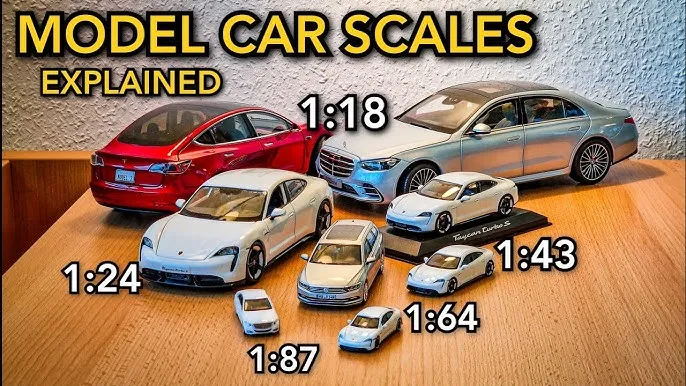
Understanding Diecast Car Sizes
Diecast cars, those miniature marvels of automotive engineering, capture the hearts of collectors and enthusiasts worldwide. One of the most important aspects of collecting diecast cars is understanding their sizes. The sizes of diecast cars are not arbitrary; they are defined by scales, which represent the ratio between the model car’s dimensions and the dimensions of the real-life vehicle. This guide delves into the intricacies of diecast car sizes, offering an ultimate guide to help both novice and experienced collectors navigate the world of miniature automobiles. From the fundamental concepts of scale to the practical implications for collectors, this guide provides the knowledge needed to appreciate and enjoy these scaled-down replicas.
What is a Diecast Car?
A diecast car is a miniature model of a vehicle, typically made using the die-casting process. This involves injecting molten metal, usually zinc alloys, into molds to create detailed replicas. These models are not just toys; they are highly collectible items, prized for their accuracy, craftsmanship, and the nostalgia they evoke. Diecast cars come in a variety of scales, each representing a different ratio to the actual vehicle’s size. Diecast cars often include intricate details, such as realistic interiors, working doors and wheels, and accurate paint jobs, making them a joy to collect and display. They represent a diverse range of vehicles, from classic cars to modern supercars, trucks, and even construction vehicles.
The History of Diecast Cars

The history of diecast cars dates back to the early 20th century, with the first models appearing around the 1900s. Initially made from materials like lead and tin, the manufacturing process evolved over time. The introduction of die-casting technology in the 1930s revolutionized the industry, enabling the production of more detailed and durable models. Brands like Dinky Toys and Corgi Toys became popular, producing models that captivated children and adults alike. During World War II, diecast production was temporarily shifted towards military models. After the war, diecast cars returned to the market, growing in popularity. Diecast car production has seen a surge in recent years. The evolution of diecast cars shows how technology has impacted collecting.
Why are Diecast Car Sizes Important?
Understanding diecast car sizes is crucial for several reasons. First, it helps collectors determine the amount of space needed to display their collection. Different scales take up varying amounts of space, impacting display options. Secondly, size affects the level of detail present in the models. Larger scales generally allow for more intricate detailing and features. Finally, knowing the scale helps in understanding the value of a model. Rare or highly detailed models in certain scales can be more valuable. Scale affects how the model fits with a collection. Careful consideration of scale enhances the enjoyment of collecting diecast cars.
Common Diecast Car Scales
Several scales dominate the diecast car world, each offering a unique collecting experience. These scales are not arbitrary; they provide a consistent standard for model accuracy and collector convenience. The most popular scales, such as 1 18, 1 24, 1 43, and 1 64, each cater to different preferences and collecting focuses. Understanding these common scales is essential for any collector, as it affects everything from display space to the level of detail achievable in a model. Choosing the right scale often involves balancing personal preferences with practical considerations, such as space constraints and budget.
1 18 Scale Diecast Cars

1 18 scale diecast cars are among the most popular and highly detailed models available. They represent a ratio of 1 18, meaning that the model is 1 18th the size of the real car. This scale is favored for its ability to showcase incredible detail, from the engine and interior to the smallest exterior features. The larger size allows for more intricate detailing, making these models very realistic. Many collectors are drawn to this scale because of its visual impact. 1 18 scale models often include opening doors, hoods, and trunks, along with steerable wheels, and highly detailed engine compartments. They often come with a higher price tag. This scale is perfect for enthusiasts who value realism and detail.
Features of 1 18 Scale
1 18 scale models stand out due to their level of detail and interactive features. Most models include opening doors, hoods, and trunks. Interiors are highly detailed, with accurate dashboard, seats, and other features. Engine compartments are meticulously recreated, and sometimes even have moving parts. The exterior features are also incredibly detailed, with accurate paint jobs, badging, and trim. The larger size also allows for features like steerable wheels and functional suspension, adding to their appeal. The increased realism and functionality make 1 18 scale cars a favorite among serious collectors. These features provide an engaging and immersive collecting experience.
Popularity of 1 18 Scale
The popularity of 1 18 scale cars stems from several factors. The high level of detail and realism is a significant draw, appealing to collectors who want models that closely resemble their real-life counterparts. This scale is also popular because of the variety of available models. Many manufacturers produce 1 18 scale cars, offering a vast selection of vehicles from classic cars to modern supercars. This allows collectors to build diverse and comprehensive collections. Additionally, the interactive features, such as opening doors and steerable wheels, enhance the collecting experience, allowing enthusiasts to engage with their models. Many collectors see 1 18 as the premium scale for detail and display.
1 24 Scale Diecast Cars

1 24 scale diecast cars strike a balance between detail and space requirements. These models are 1 24th the size of the real vehicles, making them smaller than the 1 18 scale counterparts but still offering a good level of detail. They are a popular choice for collectors who want detailed models but need to conserve space. The slightly smaller size makes them more affordable. 1 24 scale models often feature opening doors, detailed interiors, and realistic paint jobs. They represent a wide range of vehicles, making them accessible to a variety of collectors. It provides a perfect mix of detail and value.
Features of 1 24 Scale
1 24 scale diecast cars come with a good level of detail, including opening doors, hoods, and trunks. Interiors are typically well-detailed, with accurate dashboard designs, seats, and other features. Exterior details are also meticulously rendered, with realistic paint colors, badging, and trim. The scale is large enough to include some moving parts, such as steerable wheels or functional suspension. The balance between detail and size allows for a great collecting experience without taking up too much space or costing too much. Many manufacturers produce 1 24 scale models.
Collecting 1 24 Scale Cars
Collecting 1 24 scale cars is a popular pursuit. This scale is ideal for collectors looking for a balance of detail and value. They are often more affordable than their 1 18 scale counterparts, making it easier to build a comprehensive collection. They also take up less space, making them suitable for those with limited display areas. 1 24 scale models provide an excellent entry point for new collectors. The wide variety of available models, including classic cars, modern sports cars, and trucks, provides endless possibilities. 1 24 scale collections are great to start, and they can be expanded over time with the purchase of more models.
1 43 Scale Diecast Cars
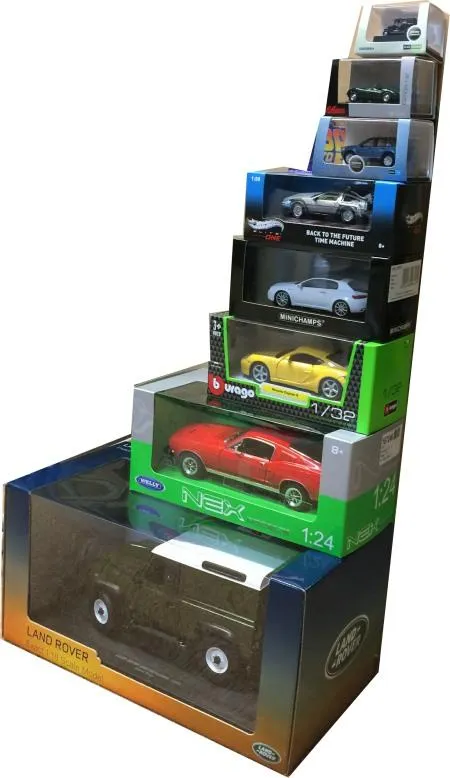
1 43 scale diecast cars are smaller models, representing a 1 43 ratio to the real car. This scale is very popular, especially for collectors interested in racing cars, vintage vehicles, and models of a specific brand or era. They are compact and easier to display. While smaller, 1 43 scale models can still include a high level of detail, especially in terms of exterior features and paint finish. This scale provides a great option for collectors with limited space or those seeking a wider variety of models. Many collectors like this scale for the diversity it provides.
Collecting 1 43 Scale Cars
Collecting 1 43 scale cars is very popular because of the scale’s compact size and wide range of models. They are easy to display, making them ideal for collectors with limited space. The smaller size typically translates to a lower price point, allowing collectors to build larger collections. 1 43 scale offers a wide variety of vehicles, including race cars, classic cars, and various other vehicle types. Many collectors focus on specific brands or eras, creating focused and unique collections. This scale is also widely available. This makes 1 43 a versatile and accessible choice for collectors.
1 64 Scale Diecast Cars
1 64 scale diecast cars are among the smallest scales, making them highly accessible and space-efficient. This scale represents a ratio of 1 64, making each model significantly smaller. They are often more affordable and widely available, making them a great option for casual collectors. 1 64 scale cars often include details, and some models may feature opening doors or other interactive elements. Because of their small size, they are ideal for displaying in large numbers. This scale is also popular with children. The smaller size and lower price point make them an excellent choice for any collector.
The Appeal of 1 64 Scale

The appeal of 1 64 scale diecast cars lies in their accessibility, affordability, and the sheer variety available. Their small size means they take up minimal space. The low price point makes it easier to build large and diverse collections. This scale is also popular with children, making it a great way to introduce kids to collecting. Many collectors appreciate the detailed designs available in this scale. Manufacturers produce a vast array of vehicles. The availability and affordability of 1 64 scale cars make them a popular choice. It’s perfect for expanding a collection without needing a lot of space.
Other Diecast Car Scales
While 1 18, 1 24, 1 43, and 1 64 scales are the most prevalent, other scales also exist. These can be less common, but they provide unique options. The choice of a specific scale often depends on collecting interests. These less common scales give collectors even more options to find the right models. They often offer specialized models and appeal to niche collectors.
Less Common Scales
Some less common diecast car scales include 1 12, 1 32, and 1 87 (HO scale). 1 12 scale cars are larger and offer even greater detail than 1 18 models. 1 32 scale cars are often found in model railway sets, with increased details. HO scale, at 1 87, is primarily used in model railways, though it also includes vehicle models. The prevalence of these scales varies, often found within specific collecting niches. These scales offer collectors the option to explore a variety of vehicle models and a unique collecting experience.
Scale Comparison Chart

A scale comparison chart helps collectors understand the differences between various diecast car scales. Such a chart typically provides the scale ratio, the approximate dimensions of a standard car model in that scale, and common features. For example, a chart will illustrate that a 1 18 scale car is significantly larger than a 1 64 scale model. This kind of chart makes it simple to compare different scales at a glance. Scale comparison charts are a useful tool for any collector.
Factors Influencing Diecast Car Size
Several factors affect the size of diecast cars, including the real-world car’s dimensions and manufacturer variations. Understanding these elements can help collectors have more accurate expectations. Each factor adds complexity. These factors should be considered when collecting.
The Real-World Car
The dimensions of the real-world car directly influence the size of its diecast model. Larger vehicles will naturally result in larger models in the same scale. The size of a car determines the overall size. Vehicles like SUVs will be larger than a small sedan, and the scale ensures these proportions are maintained in the diecast model. Understanding the size of the real-world vehicle is essential for assessing the relative size of a diecast car.
Manufacturer Variations
Manufacturer variations can also influence the size of diecast cars. These variations can occur due to slight differences in production methods, materials used, and the level of detail intended for each model. Some manufacturers might prioritize accuracy, while others might focus on aspects like playability, leading to minor size differences. These small differences are common. Collectors should always compare models side by side. Awareness of these variations helps collectors appreciate the nuances.
Collecting and Displaying Diecast Cars
Collecting diecast cars can be a rewarding hobby, and proper display is key. Collecting is more than just acquiring models; it involves organizing, displaying, and preserving the collection. Proper storage protects the value and visual appeal. Collectors can showcase their collections with pride, maximizing their enjoyment. Careful consideration of display enhances the experience.
Display Cases and Storage
Display cases and storage solutions are essential for protecting and showcasing diecast car collections. Display cases can range from simple shelves to elaborate, custom-built setups. They protect against dust, UV light, and accidental damage, preserving the models’ condition. When selecting display cases, consider the scale of the models, available space, and personal preferences. Storage solutions, such as individual boxes or protective sleeves, help preserve the condition of models. Proper display and storage increase the longevity of the collection.
Tips for Collectors
Here are some useful tips for diecast car collectors. Research and plan your collection to select a theme. Set a budget to manage spending. Inspect models carefully before purchasing them. Join online communities and forums to connect with other collectors. Clean your models to maintain their appearance. Store models properly to prevent damage. Focus on collecting the models you are passionate about. Consider the value and the collectibility of each model. Collecting can bring a lot of joy. The hobby can be a great way to connect with others.
Conclusion
Understanding diecast car sizes is essential for any collector, whether they’re a seasoned enthusiast or a newcomer to the hobby. From the fundamental principles of scale to the practical implications for display and storage, this ultimate guide has explored the key aspects of diecast car sizes. Knowing these details enables collectors to appreciate and enjoy these miniature automobiles. The variety of scales ensures collectors can find the right fits for them. With this knowledge, you can build and showcase a collection of diecast cars. Happy collecting!