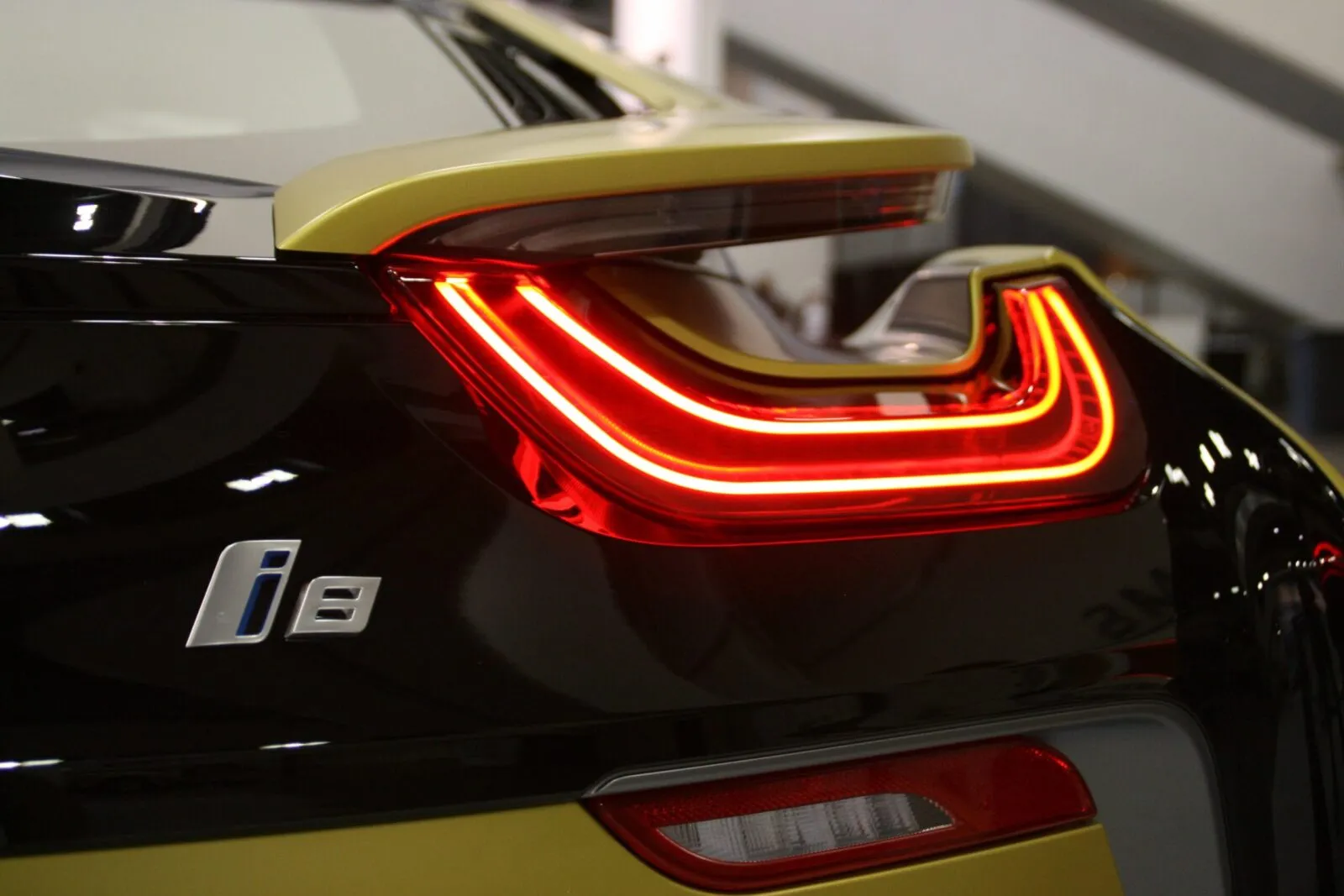
Choosing the Right Diecast Car LED Lights
Upgrading your diecast car with LED lights is an excellent way to enhance its realism and visual appeal. However, choosing the right LED lights is the first crucial step. Several factors come into play, including the type of LED, its brightness, color, and size. You will also need to consider the power source and the level of customization you desire. Taking the time to research and select the appropriate LEDs will ensure a successful and satisfying upgrade. This guide will walk you through the process, providing detailed instructions and tips to help you create a stunning display.
LED Types and Their Suitability
Different types of LEDs are available, and each has unique characteristics. SMD (Surface Mounted Device) LEDs are popular for their small size, making them ideal for intricate model car detailing. They are also energy-efficient and come in various brightness levels. Another option is through-hole LEDs, which are larger and easier to handle, but may not be suitable for all diecast car scales due to their size. Consider the space available within your model and the desired effect when selecting LED types. High-intensity LEDs offer brighter illumination but may require additional resistors to prevent overheating. Experiment with different types to achieve the best results.
Selecting LED Colors and Effects

The color of your LED lights significantly impacts the final look of your diecast car. White LEDs are suitable for headlights and interior lighting, providing a clean, realistic appearance. Red LEDs can simulate taillights and brake lights, while amber or yellow LEDs are perfect for turn signals. Consider the specific vehicle you are modeling and the colors used in the real car. Some hobbyists like to add effects such as flashing lights or changing colors to add further realism. This can be achieved using specialized LED controllers or by combining different colored LEDs and wiring them to a switch. Careful selection of colors will make your diecast car more engaging.
Essential Tools and Materials
Before you begin installing LED lights in your diecast car, gather the necessary tools and materials. This will make the process smoother and more efficient. Prepare all items to avoid any interruptions, ensuring you have everything at your fingertips. Besides the LEDs themselves, you’ll need a few essential items for wiring, mounting, and connecting the lights to a power source. Remember that safety is paramount, so use appropriate safety gear when handling tools and electrical components.
Wire Cutters and Strippers
Wire cutters and strippers are indispensable tools for preparing the wiring for your LEDs. They enable you to cut wires to the correct length and strip away the insulation, exposing the conductive core for soldering or connecting. Choose a set with different gauge settings to handle various wire sizes, including the fine wires commonly used in model car projects. Precision is crucial to avoid damaging the wires and ensure a secure electrical connection. A good set of cutters and strippers will save you time and make the process significantly easier, leading to better results.
Soldering Iron and Solder

Soldering is essential for creating reliable and durable electrical connections. A soldering iron and solder are needed to join the LED wires and any associated components. Select a soldering iron with a fine tip for precision work in tight spaces. Lead-free solder is recommended for safety and environmental considerations. Practice soldering on scrap wires beforehand to perfect your technique. Make sure the solder joints are clean and secure to prevent shorts or connection failures. Apply heat only long enough for the solder to flow properly, avoiding overheating delicate components.
Adhesives and Mounting Supplies
To secure the LEDs in your diecast car, you’ll need adhesives and mounting supplies. Cyanoacrylate glue (super glue) is useful for quickly attaching LEDs to various surfaces. Alternatively, use epoxy for a stronger bond in high-stress areas. Double-sided tape or mounting putty can also be used for temporary placement or for positioning the LEDs without permanent adhesion. When choosing adhesives, consider the materials of your model car and the operating environment. Ensure that the adhesive is suitable for the materials and will not damage the paint or plastic. A well-placed LED will make your model more refined.
Step-by-Step LED Installation Guide
Installing LED lights in your diecast car can seem daunting, but with proper planning and execution, it’s a rewarding project. Follow these steps for a successful installation. Carefully plan your setup and decide where you want to place each LED. Test your setup and test your connections to make sure everything works. This detailed guide breaks down the process, making it easy to follow. Always prioritize safety and take your time to avoid mistakes that could damage the model car or the LEDs. With patience and careful attention, you can upgrade your car with a professional finish.
Preparing the Diecast Car

Before starting the wiring, prepare your diecast car. Remove any parts that might obstruct the installation process, such as the chassis or interior components. Carefully drill small holes at the locations where the LEDs will be mounted, ensuring they are the correct size for the LEDs. Use a small drill bit to prevent damage to the model’s body. If possible, make these holes from the inside to minimize any visible marks on the exterior. Clean the area to remove any debris or dust that might interfere with the bonding of the LEDs or other components. A clean, prepared car will produce a more visually appealing upgrade.
Wiring the LED Lights
Wiring is a fundamental step in installing your LED lights. Determine the wiring configuration based on the number of LEDs and their intended effects. Solder the wires to the LED terminals, using a small amount of solder to create a secure connection. Route the wires through the holes you drilled, being careful not to pinch or damage them. Use heat shrink tubing to insulate any exposed solder joints. Connect the positive and negative wires to a suitable power source, such as a battery pack or a power adapter. Double-check all connections to ensure they are correct and that there are no short circuits. Proper wiring is key to the longevity and performance of your LEDs.
Testing the LED Circuit
Before permanently mounting the LEDs, test the entire circuit to ensure everything functions correctly. Connect the power source and check if all the LEDs light up as expected. Inspect each LED for proper operation and brightness. Check for any flickering or dimness, as this could indicate a loose connection or an issue with the power supply. If you’ve included any additional features like flashing lights, test those too. Make any necessary adjustments or corrections before proceeding. A thorough test will save you the frustration of troubleshooting after the LEDs are permanently installed. A proper test validates the entire circuit.
Securing the LED Lights

Once you’ve verified that the LEDs are functioning correctly, it’s time to secure them in place. Apply adhesive to the base of each LED and carefully position it in the pre-drilled holes. Use a small amount of adhesive to avoid spills. For more complex installations, you might use a combination of adhesive and other mounting methods, such as clips or brackets. Make sure the LEDs are securely fixed and aligned correctly. Allow the adhesive to dry completely before handling the model car. Once secured, test the LEDs again to make sure nothing has shifted during the securing process. This process ensures a professional and long-lasting upgrade.
Troubleshooting Common LED Issues
Even with careful planning, you may encounter some issues during your LED installation. Knowing how to troubleshoot these problems will save you time and frustration. Here’s a guide to help you troubleshoot common problems and find solutions to get your LEDs working properly.
Lights Not Turning On
If your LEDs don’t turn on, start by checking the power source. Make sure the battery is charged or the power supply is working correctly. Next, inspect the wiring for loose connections, broken wires, or incorrect polarity. Use a multimeter to test the continuity of the circuit. Examine the LEDs themselves; make sure they’re properly connected and not damaged. Check your soldering joints for proper connections. In some cases, a blown resistor could be preventing the LEDs from lighting up. By systematically checking each component, you can usually identify and correct the issue.
Flickering or Dim Lights

Flickering or dim lights often indicate a problem with the power supply or the wiring. Check the battery’s voltage to ensure it’s providing sufficient power. Inspect the wiring for loose connections or corrosion. Make sure the LEDs are connected to the correct voltage rating. If the LEDs are dim, the resistor might be too high. If the flickering persists, try replacing the LEDs or the power source. Addressing these issues will ensure your lights operate at their optimal brightness and stability. Check your setup for proper stability.
Short Circuits and Safety
Short circuits can be dangerous and can damage your LEDs and other components. Always disconnect the power source before working on the wiring. Ensure that the positive and negative wires do not come into contact with each other or any conductive parts of the car. Use heat shrink tubing to insulate all exposed solder joints. If you suspect a short circuit, carefully inspect the wiring for any damaged insulation or exposed wires. If you notice any sparks or smoke, immediately disconnect the power source and identify the cause of the short circuit before proceeding. Prioritize safety.
Advanced Customization and Modifications
Once you’ve mastered the basics of LED installation, you can explore advanced customization options. Customization allows you to enhance the realism and uniqueness of your diecast car. From custom light effects to more complex wiring schemes, these advanced modifications will significantly improve the look of your models. Adding advanced features can create a more personalized finish, making your model car stand out. Let’s explore a few ways to take your LED upgrades to the next level.
Adding Additional Features

Beyond basic lighting, you can add features like brake lights that activate when the car is stopped, or turn signals that flash sequentially. Consider incorporating LED controllers to add effects like flashing lights, strobes, or color-changing capabilities. These controllers allow you to create dynamic lighting patterns. Explore integrating microcontrollers for even more advanced features. Research different circuits and components to add further interest, and use your creativity. Adding extra lights and features can make your car appear more sophisticated.
Powering the LED Lights
You can power the LED lights in your diecast car with various methods. Small coin cell batteries are a common choice, providing a compact and easily replaceable power source. Rechargeable lithium-ion batteries can offer longer operation times and reduce waste. Consider the car’s scale and available space when selecting a power source. For more elaborate setups, you might use a small external power supply connected via a hidden wire. Ensure the power source delivers the correct voltage and current for your LEDs. A well-chosen power source guarantees optimal performance and longevity of your lighting system, leading to an enhanced finish.
Upgrading your diecast car with LED lights is a rewarding and engaging project. By following these steps and tips, you can enhance the realism and visual appeal of your models. Remember to prioritize safety, take your time, and enjoy the process. With some practice, you’ll create stunning custom lighting effects. Happy modeling.