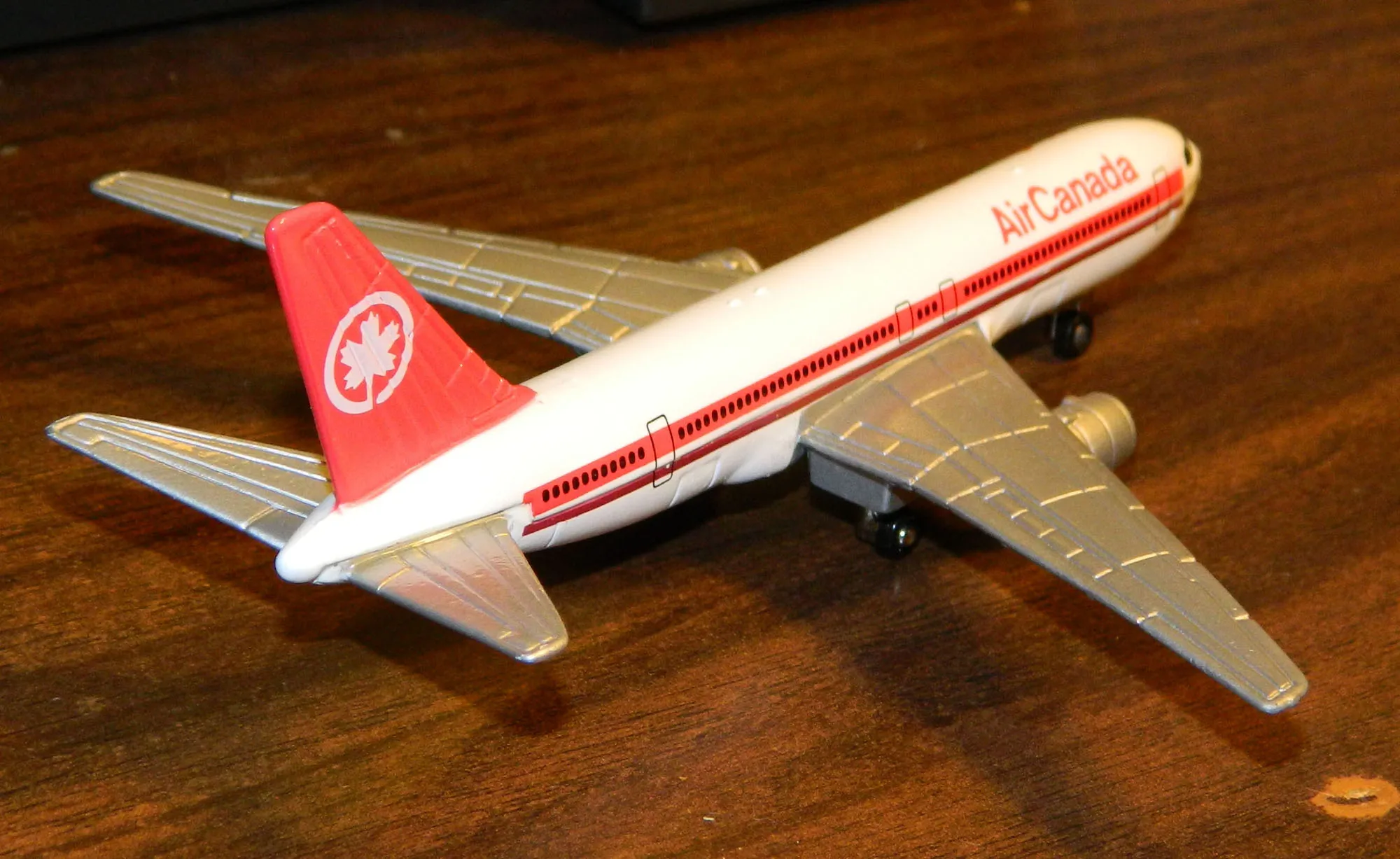
What are Diecast Airplanes
Diecast airplanes represent a captivating intersection of aviation history, engineering, and the passion of collecting. These miniature marvels are meticulously crafted replicas of real-world aircraft, from iconic commercial airliners to legendary military planes. They offer enthusiasts a tangible way to celebrate the beauty and innovation of flight. The appeal of diecast airplanes lies not only in their aesthetic detail but also in the stories they tell, connecting collectors to the history of aviation and the evolution of aircraft design. Whether you’re a seasoned aviation buff or a newcomer to the hobby, diving into the world of diecast airplanes can be a rewarding journey.
Defining Diecast
The term “diecast” refers to the manufacturing process used to create these models. This process involves injecting molten metal, typically zinc alloy, into a mold under high pressure. This method allows for intricate detailing and a high degree of accuracy in the final product. The resulting models are durable, heavy, and possess a realistic feel. The precision of diecast manufacturing enables the creation of complex shapes and fine features, which is essential for replicating the intricate designs of modern aircraft. The use of metal also gives these models a satisfying weight, contributing to their overall quality and collectibility.
The Appeal of Diecast Airplanes

The allure of diecast airplanes is multifaceted. For many, it’s the nostalgia associated with classic aircraft or the excitement of owning a miniature version of a favorite plane. For others, it’s the appreciation of the craftsmanship involved in creating these detailed models. Diecast airplanes provide a unique way to connect with aviation history. Collectors can amass a fleet of aircraft that span the decades, from the early days of flight to the cutting-edge designs of today. The hobby also fosters a sense of community, with enthusiasts sharing their passion and knowledge through online forums, clubs, and shows. Diecast airplanes offer a tangible link to the world of aviation, allowing collectors to explore its history, engineering, and artistry.
Choosing the Right Scale
One of the first decisions for a new collector is choosing the scale for their diecast airplane collection. Scale refers to the ratio between the model’s size and the size of the actual aircraft. Common scales include 1:72, 1:100, 1:200, and 1:400, with each offering a different balance of detail, size, and cost. The scale you choose will significantly impact the size of your collection and the space you need to display it. It’s best to consider factors like available display space, the level of detail you desire, and the types of aircraft you want to collect when making your decision. Starting with one or two scales and expanding from there is a good approach to make sure it meets your expectations.
Popular Scales Explained
Several scales dominate the diecast airplane market. 1:72 scale is a popular choice for military aircraft, offering a good balance of detail and size. 1:200 scale is frequently used for commercial airliners, making it a good option for those interested in building a collection of passenger planes. 1:400 scale is the most common, offering a wide variety of models and making it easier to build a large collection. 1:500 is also common for those with space limitations. The choice of scale often depends on the type of aircraft you are most interested in and the available space for display. It’s worth researching the availability of models in each scale to find the best fit for your collecting goals.
Factors to Consider

When selecting a scale, consider the following factors First, think about the types of aircraft you are most interested in collecting. Military aircraft often look best in 1:72, while commercial airliners are well-represented in 1:200 and 1:400 scales. Second, assess the amount of display space you have available. Larger scales require more room. Third, consider your budget, as models in larger scales can sometimes be more expensive. Finally, think about the level of detail you desire. Larger scales typically offer more intricate detailing. By considering these factors, you can make an informed decision and select the scale that best suits your needs and preferences.
Building Your Collection
Once you’ve chosen a scale, it’s time to start building your collection. This process involves researching different models, setting a budget, and deciding where to purchase your airplanes. Researching is key; learn about different manufacturers, models, and historical significance. Setting a budget helps keep your spending in check and prevents overspending. Deciding where to buy is critical, as prices and selection vary greatly. Starting small and focusing on a few specific aircraft types or eras is a great approach, allowing you to develop a focused and satisfying collection. Collecting diecast airplanes is a journey of discovery and enjoyment.
Researching Airplane Models
Before purchasing any diecast airplane, do your research. Explore the different manufacturers, each known for particular levels of detail, accuracy, and features. Learn about the various aircraft models that interest you, including their history, specifications, and significance. Websites, books, and online forums dedicated to diecast airplanes are invaluable resources. Understand the differences between the model versions, such as airline liveries, military markings, and special editions. This research will not only enhance your knowledge but also guide your purchasing decisions, helping you choose models that align with your collecting goals and personal interests. Thorough research is the cornerstone of a successful collection.
Setting a Budget

Setting a budget is essential for maintaining control over your collecting expenses. Determine how much you can realistically spend on your diecast airplane hobby each month or year. Decide how much you’re willing to pay for each model, balancing your desire for specific models with your financial constraints. Consider that the prices of diecast airplanes can vary greatly depending on the manufacturer, scale, detail level, and rarity. Sticking to a budget helps you avoid overspending, and it allows you to collect in a sustainable way. As your collection grows, periodically reviewing and adjusting your budget is advisable to accommodate changing circumstances and collecting priorities.
Where to Buy Diecast Airplanes
There are numerous places to purchase diecast airplanes, each with its own advantages and disadvantages. Online retailers offer a vast selection and competitive prices, but you can’t inspect the models in person. Specialty hobby shops provide expert advice and the opportunity to see the models up close. Online marketplaces and auction sites may offer deals, but be sure to check seller ratings and product descriptions carefully. Consider attending model shows or conventions, where you can often find rare and unique models. Comparing prices, considering shipping costs, and assessing return policies will help you find the best value and ensure a positive buying experience. Choosing the right source can significantly influence your collecting journey.
Displaying Your Collection
Properly displaying your diecast airplane collection enhances its visual appeal and protects your investment. Displaying also makes the collection more enjoyable and accessible for you and any visitors. The arrangement and presentation of your models are critical. Consider the size and style of your collection, the available space, and the desired aesthetic. Creating a visually appealing display involves careful planning and thoughtful execution. From choosing the right display cases to arranging your models in a way that highlights their individual details and collective impact, presenting your collection is an art form in itself.
Display Cases and Shelves

Display cases and shelves are essential for showcasing and protecting your diecast airplanes. Display cases offer the best protection from dust, UV light, and accidental damage. Shelves provide a more open display, allowing easy access and viewing. Consider the size and style of your collection when selecting display options. Glass-doored cabinets are a popular choice, as they provide a clear view of your models while keeping them safe. Open shelving can be customized to fit your space. Evaluate the aesthetics and functionality of the display cases, ensuring they complement your models and integrate with your home décor. Make sure to place your models away from direct sunlight to prevent fading and damage.
Protecting Your Models
Protecting your diecast airplanes is crucial to preserve their value and condition. Dust is a major enemy, so regularly cleaning your display cases or shelves and using a soft brush or cloth to remove dust from the models is important. Direct sunlight can cause fading and damage to paint, so choose a display location away from windows or use UV-protective film. Handle your models carefully to prevent scratches or breakage. Avoid touching the models excessively, as fingerprints can damage the paint finish. With proper care and attention, your collection will maintain its value and beauty for years to come.
Caring for Your Collection
Caring for your diecast airplane collection extends beyond display. Regular cleaning, proper handling, and appropriate storage are critical for preserving your models and their long-term enjoyment. Developing good habits and implementing a care routine will ensure that your collection maintains its pristine condition and remains a source of pride and pleasure. Proper maintenance will safeguard your investment and maximize your enjoyment of the hobby. Establishing good care practices will provide longevity and enduring appreciation of your models.
Cleaning and Maintenance

Regular cleaning and maintenance keep your diecast airplanes looking their best. Dust your models regularly with a soft cloth or brush to prevent build-up. For more stubborn dirt, use a slightly damp cloth or a specialized model cleaner. Avoid using harsh chemicals or abrasive materials. Inspect your models for any signs of damage and address them promptly. Lubricate any moving parts, such as wheels or propellers, with a small amount of silicone-based lubricant. Regular cleaning and maintenance not only preserve the appearance of your models but also help to maintain their value.
Handling and Storage
When handling your diecast airplanes, always hold them by the fuselage or other sturdy parts. Avoid touching delicate components. Store your models in a cool, dry place away from direct sunlight. If you need to store your collection for an extended period, consider using individual boxes or protective cases to prevent damage. Avoid extreme temperatures and humidity, which can damage the models. Good handling and storage practices will help maintain the condition of your models and preserve their value over time. This care extends the life of your collection.
Joining the Diecast Airplane Community
Becoming part of the diecast airplane community enriches the collecting experience. Sharing your passion with others who have the same interests can add an extra dimension to your hobby. The community offers support, learning opportunities, and a chance to connect with like-minded people. From online forums to in-person events, the community provides valuable resources and opportunities to grow your collection. Building connections and learning from others enhances your hobby enjoyment and knowledge.
Online Forums and Clubs

Online forums and clubs are excellent resources for diecast airplane collectors. These platforms allow you to connect with other enthusiasts, share your collection, ask questions, and learn from experienced collectors. Participate in discussions, trade models, and stay informed about new releases and industry news. Look for clubs or groups dedicated to specific scales, manufacturers, or aircraft types. These communities provide a wealth of knowledge and opportunities to expand your collecting horizons. Engaging with fellow collectors enhances your understanding and enjoyment of the hobby.
Connecting with Other Collectors
Connecting with other collectors enriches your experience. Attend model shows, conventions, and local meetups to interact with fellow enthusiasts. Exchange information, share stories, and learn from each other’s expertise. Consider joining a local or national collecting club. These events provide opportunities to buy, sell, and trade models, as well as to learn about new models and trends in the hobby. Sharing your passion and knowledge with others elevates your collecting journey.