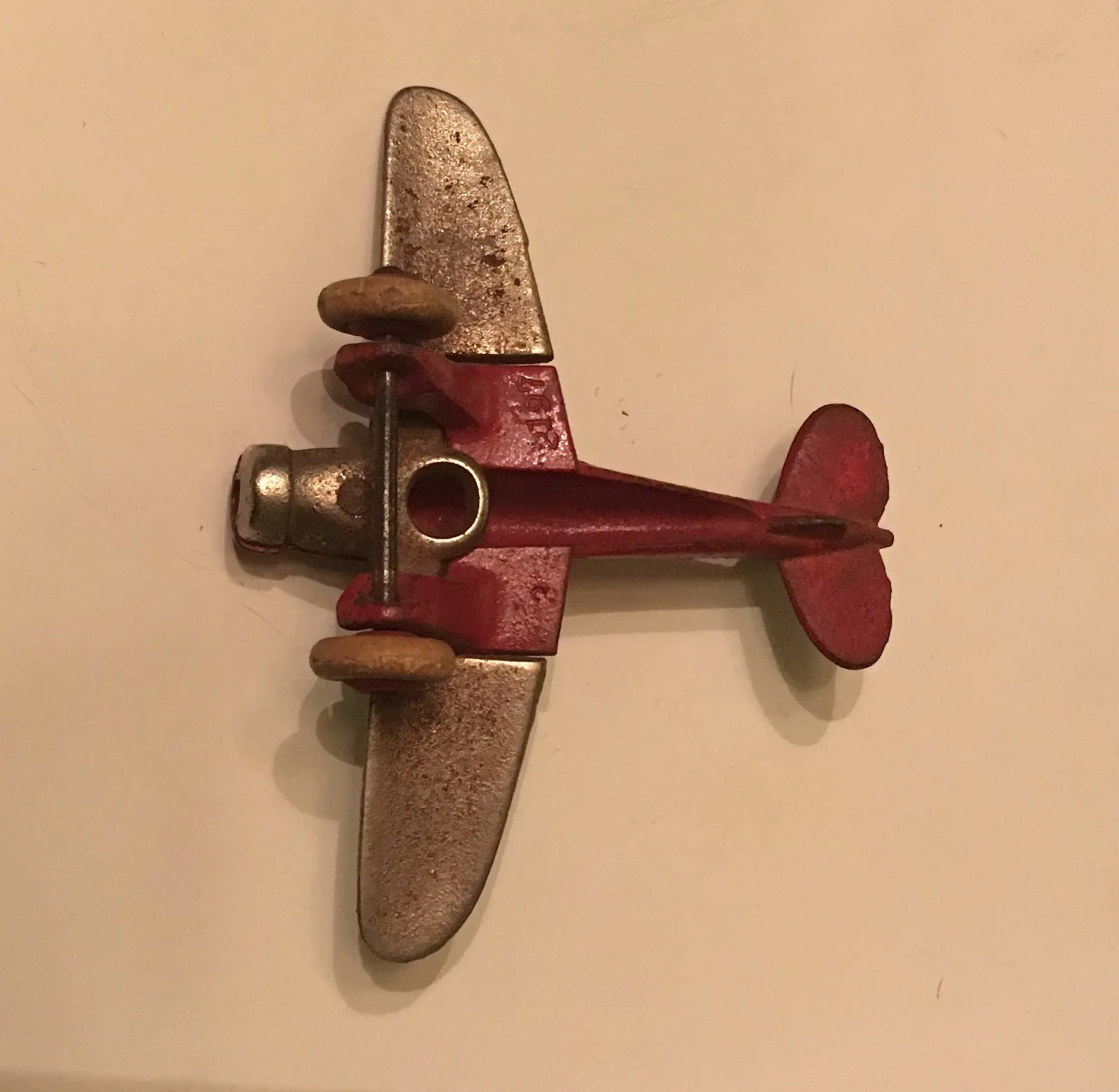
What are Diecast Airplanes
Diecast airplanes are meticulously crafted miniature replicas of real-world aircraft, typically made from a combination of diecast metal and plastic components. These models are highly sought after by collectors and enthusiasts of aviation, offering a tangible way to appreciate the history, engineering, and aesthetics of flight. The term “diecast” refers to the manufacturing process where molten metal is injected into molds to create intricate shapes with fine detail. The appeal of diecast airplanes stems from their realism, durability, and collectibility, making them a rewarding hobby for many. Understanding the features that define a quality diecast airplane is essential for both novice and seasoned collectors. When choosing a diecast airplane model, many factors come into play, from scale and accuracy to the materials used and the overall presentation of the model. Whether you are looking to start your collection or to add to your existing set of diecast airplane models, this article will help you to choose the best.
Scale and Size Considerations
Scale is one of the most fundamental aspects of diecast airplane collecting. Common scales include 1:200, 1:100, 1:72, and 1:48, with larger scales often offering greater detail but requiring more display space. The scale indicates the ratio between the model’s dimensions and the dimensions of the actual aircraft. For example, a 1:72 scale model is 72 times smaller than the real plane. Consider the size of your available display space when selecting a scale. Smaller scales are ideal for those with limited room, while larger scales allow for a more detailed representation of the aircraft. The choice of scale also impacts the availability of models; some aircraft are more readily available in certain scales than others. Choose scales that appeal to your interest and align with your collection goals, ensuring that they fit well within your space and display preferences. Considering different scale helps to complete a good collection.
Material and Construction Quality

The materials used in the construction of a diecast airplane greatly influence its durability, weight, and overall appearance. High-quality models typically feature a diecast metal fuselage and wings, providing a realistic weight and feel, as well as enhanced durability. Plastic components are also used for smaller details like landing gear, antennas, and other intricate parts. The quality of the paint finish is also crucial. Look for models with a smooth, even paint job and accurate color matching to the real aircraft. Check for any imperfections, such as bubbles or runs, which can detract from the model’s appearance. The quality of the materials and the construction will directly affect the longevity and aesthetic appeal of the model. Consider the construction methods used such as the use of adhesives, rivets and other construction details for a more realistic look, ensuring they are durable and properly assembled. It is best to check reviews about the manufacturer.
Details and Accuracy
Detail and accuracy are the hallmarks of a superior diecast airplane model. Examine the model closely for features that replicate the real aircraft, such as panel lines, rivets, access panels, and engine details. The more detailed the model, the more visually appealing and authentic it will be. Look for models that accurately represent the aircraft’s specific features and variants. Pay attention to the accuracy of the markings, including the airline’s logos, registration numbers, and any other relevant decals. These details add to the model’s authenticity and collectibility. Some models include additional features like opening doors, removable engines, or poseable control surfaces, which can enhance the model’s realism and play value. The level of detail and accuracy can vary greatly between models. The best models accurately reflect every aspect of the real aircraft.
The Importance of Markings and Liveries
Markings and liveries are essential components of a diecast airplane model, adding significant visual appeal and historical context. The livery refers to the unique paint scheme and markings that identify an aircraft, including the airline’s logos, registration numbers, and any special decals. The accuracy of these markings is crucial for collectors, as it directly impacts the model’s authenticity and collectibility. Pay close attention to the quality of the decals and the precision with which they are applied. High-quality models will feature crisp, clear markings that accurately replicate those on the real aircraft. Collectors often seek out models that represent specific airlines, historical aircraft, or special edition liveries. These models can be particularly valuable and highly sought after. The selection of the right livery can significantly enhance the model’s visual appeal. Models that feature well-executed markings and liveries add a layer of historical significance and artistic appreciation to your collection.
Packaging and Presentation

The packaging and presentation of a diecast airplane model contribute to its overall value and appeal. High-quality models are often packaged in attractive boxes that protect the model during shipping and storage. The packaging should be sturdy and designed to showcase the model effectively. Many collectors keep the original packaging as it can enhance the model’s collectibility. The packaging often includes information about the aircraft, such as its history and specifications. Some manufacturers include display stands or bases to enhance the presentation of the model. These features can be important for those who want to display their models in a visually appealing way. Ensure that the packaging is well-designed and protects the model during handling and storage. The packaging and presentation of the model is important in preserving the value and aesthetic appeal of the model.
Rarity and Collectibility
The rarity and collectibility of a diecast airplane model are key factors in determining its value and desirability among collectors. Limited edition models, those produced in smaller quantities, are often more valuable than standard models. The historical significance of an aircraft can also influence its collectibility. Aircraft that played a significant role in aviation history, or are associated with famous pilots, are highly sought after. Special edition models, such as those commemorating specific events or anniversaries, are also often very collectible. Some collectors seek out specific aircraft or airlines, while others focus on models from a particular manufacturer or era. Understanding the factors that contribute to a model’s rarity and collectibility will help you to make informed purchasing decisions and to appreciate the value of your collection. Consider whether it is a limited edition or a special commemorative edition.
Price and Value Analysis
The price and value of a diecast airplane model are influenced by many factors, including its scale, material quality, level of detail, rarity, and collectibility. The price of a model can range from a few dollars to several hundred dollars or more, depending on these factors. Researching the market prices of similar models can help you to understand the value of a particular model. Consider the manufacturer’s reputation, the availability of the model, and the condition of the model. The best way to determine value is to compare the model to other models that are similar in features, condition and detail. The prices may change depending on the demand and the market conditions. Collectors should assess the features and condition of the model to make informed buying decisions. Price and value are important for all models, but it is more important for expensive models.
Where to buy

Online retailers
Online retailers provide a vast selection of diecast airplane models, often offering competitive pricing and convenient shipping options. Popular online marketplaces and specialized retailers are great places to find a diverse range of models. Many online retailers offer detailed product descriptions, customer reviews, and high-quality images, allowing you to assess the model before purchasing. These retailers often offer sales, discounts, and promotions, making it easier to find models at affordable prices. Consider the retailer’s return policy and customer service reputation before making a purchase. Shopping online is a convenient option for building your collection, with a wide range of models at your fingertips. Many online retailers also offer pre-order options for new releases, allowing you to secure a model before it becomes widely available.
Specialty shops and hobby stores
Specialty shops and hobby stores are excellent places to find unique and high-quality diecast airplane models. These stores often carry a curated selection of models. The staff in these stores are usually knowledgeable and passionate about aviation and model collecting, and can offer expert advice and assistance. Shopping at a local specialty shop allows you to physically inspect the models before purchasing, ensuring that they meet your expectations. These stores often host special events, such as model shows or collector meetups, creating a community of enthusiasts. Speciality shops offer a more personalized shopping experience and a chance to discover rare or hard-to-find models. By supporting local specialty shops, you’re not only expanding your collection, but also fostering a vibrant community of collectors.
Auctions and collector fairs

Auctions and collector fairs offer exciting opportunities to find rare, vintage, and collectible diecast airplane models. Auctions, both online and in-person, allow you to bid on a wide range of models. Collector fairs are a great way to find unique models and to meet other enthusiasts. Attending auctions requires some research and preparation. Always set a budget and be prepared to walk away if the bidding exceeds your limit. Collector fairs often feature vendors selling a variety of models, from common to rare. This is a great place to see a wide variety of models and to assess their value. Auctions and collector fairs provide the chance to discover unique models. These events can be a rewarding way to build your collection and to connect with other collectors.
Care and Maintenance
Cleaning your collection
Proper cleaning is essential to maintain the appearance and value of your diecast airplane models. Dust can accumulate over time, dulling the model’s appearance and potentially damaging the paint. Use a soft, non-abrasive brush or cloth to gently remove dust from the model’s surface. Avoid using harsh chemicals or solvents. For more stubborn grime, a slightly damp cloth can be used, but be sure to dry the model thoroughly afterward. Regular cleaning prevents the buildup of dust and maintains the model’s pristine condition. Dusting frequently and cleaning any smudges or fingerprints promptly. It is best to keep the models away from direct sunlight to prevent fading and from extreme temperatures.
Storing your models safely

Safe storage is crucial to protect your diecast airplane models from damage. Store models in a cool, dry place, away from direct sunlight and extreme temperatures. Humidity can cause rust or damage to the paint and decals. Consider storing your models in a display case, or in their original packaging, to provide additional protection. If you are storing models in a box, wrap them in tissue paper or bubble wrap to prevent scratches and other damage. Handling your models with care and avoiding touching the surfaces to prevent fingerprints is best. Taking care of your models will make them last and give you pleasure for years to come.
Displaying your collection
Displaying your diecast airplane collection is a great way to showcase your passion and to enjoy your models. Display cases, shelves, and wall mounts are popular options. Choosing the right display method depends on your available space and personal preferences. Arrange your models in a way that is visually appealing. Consider grouping models by type, airline, or scale. Use appropriate lighting to highlight the details and enhance the display. Regularly rotate your models to keep the display fresh and interesting. Create a dedicated space for your collection that reflects your personal style. Displaying your collection can be a source of pride and enjoyment. Choose the best ways to showcase your models and create a display that you will love.