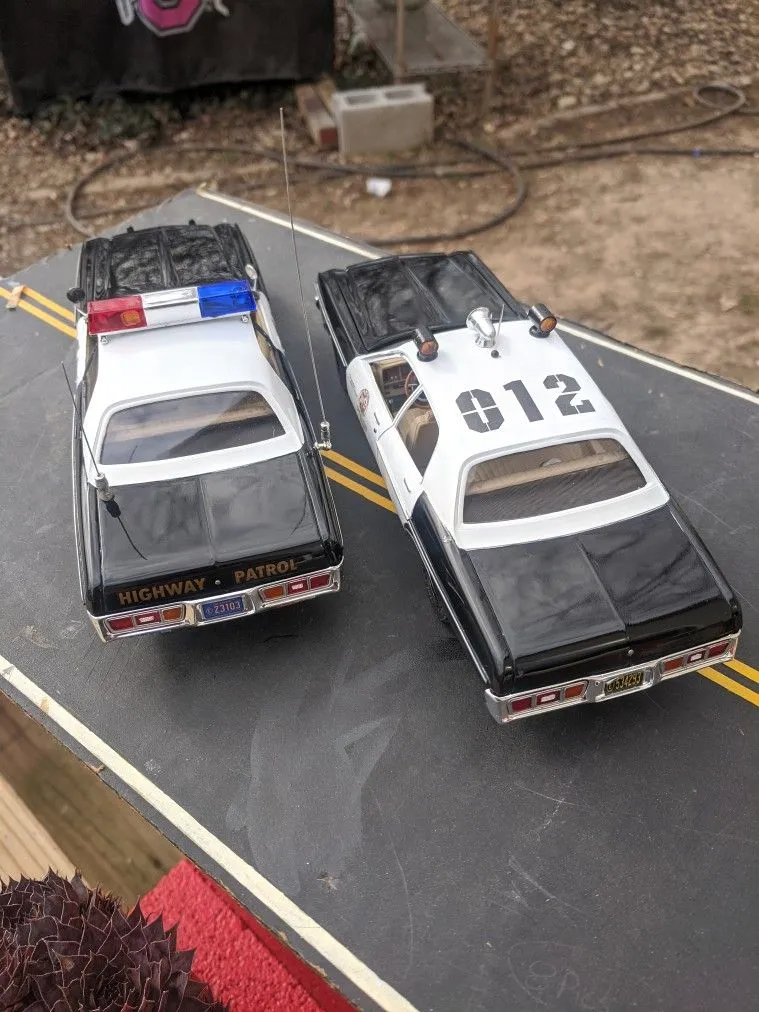
What are Custom Police Car Models
Custom police car models are meticulously crafted replicas of law enforcement vehicles, designed for collectors, enthusiasts, and hobbyists. These models go beyond standard toy cars, offering enhanced detailing, authentic features, and often, a level of customization that reflects specific jurisdictions, historical periods, or even fictional representations. Crafted from diecast metal, high-quality plastic, and other materials, these models strive for accuracy and realism, making them highly sought after by individuals who appreciate the artistry and precision involved in their creation. The variety is vast, encompassing everything from classic patrol cars to modern tactical units, and the level of detail can range from basic to incredibly intricate, including working lights, sirens, and meticulously replicated interiors.
The Appeal of Custom Police Car Models
The allure of custom police car models stems from several factors, including the nostalgia associated with specific vehicles, the appreciation for fine craftsmanship, and the pursuit of rarity and collectibility. For many, these models evoke memories of their childhood or a fascination with law enforcement. Furthermore, the level of detail often surpasses expectations, with realistic paint schemes, accurately placed decals, and finely rendered interior and exterior components. The customization aspect also allows collectors to own unique pieces that reflect their personal interests or represent specific law enforcement agencies. Diecast models, in particular, offer a tactile experience, with a satisfying weight and feel that distinguishes them from plastic toys, making them highly prized collectibles.
Factors Influencing Collectibility

Several factors contribute to the collectibility of custom police car models. Detailing and accuracy are paramount, with collectors placing a high value on models that closely resemble their real-world counterparts. Rarity, such as limited edition runs or models representing specific jurisdictions, significantly increases their desirability and value. Customization options, including paint schemes, decals, and added accessories, also enhance collectibility, as unique models often command higher prices. Finally, the overall condition of the model, along with the presence of original packaging, plays a crucial role in determining its value. A well-preserved model with all its original components will always be more valuable than a damaged or incomplete one, making preservation a key aspect of collecting.
Fact 1 Detailing and Accuracy
One of the most critical aspects of a custom police car model is its detailing and accuracy. Collectors seek models that faithfully replicate the features of real-world police vehicles, from the specific make and model of the car to the details of the emergency lights, sirens, and police markings. This includes accurate paint colors, authentic decals representing the police department, and precise placement of all features. The level of detail can extend to the interior, with accurately reproduced dashboards, seats, and even miniature police radios. This commitment to detail sets these models apart from simpler toys and makes them highly desirable for those who appreciate precision and realism. The more accurate the model, the more valuable it is likely to be.
The Importance of Scale
Scale is another critical factor in the detailing and accuracy of custom police car models. Common scales include 1:18, 1:24, and 1:43, among others. The scale determines the size of the model relative to the actual vehicle, and the larger the scale, the more detail can typically be incorporated. A 1:18 scale model, for example, offers more space for intricate details than a 1:43 scale model. Collectors often specialize in a specific scale to maintain consistency in their collection. Accurate scaling ensures that all the proportions and dimensions of the model are correct, contributing to the overall realism and appeal. When choosing models, collectors pay attention to the scale to ensure that they align with their preferences and the existing models in their collection.
Material Quality and Durability

The material quality and durability of a custom police car model significantly influence its value and longevity. Diecast metal is a popular choice for its weight, realistic feel, and ability to hold fine details. High-quality plastics are also used for certain components, providing flexibility and detail. The use of quality materials ensures that the model can withstand handling and display, minimizing the risk of damage. Durability is particularly important for collectors who plan to handle their models frequently or display them in areas where they might be exposed to dust or sunlight. Well-made models will retain their appearance and value over time, providing lasting enjoyment for the collector. Careful attention to material choice is thus a key aspect of a high-quality model.
Fact 2 Rarity and Limited Editions
The rarity of a custom police car model is a significant factor in its desirability and value. Limited editions, produced in small quantities, are particularly sought after by collectors. These models may represent specific police departments, historical vehicles, or special events, making them unique and highly collectible. The fewer models produced, the greater the demand, and the higher the potential value. Limited runs can be based on factors such as the specific markings, the availability of the model, or the duration of the production run. Collectors often seek out these rare models to complete their collections and to showcase their appreciation for the hobby. The exclusivity of limited editions is a major driver of collector interest.
The Impact of Limited Runs
The impact of limited runs on the collectibility of custom police car models is substantial. When a model is produced in a limited quantity, its scarcity immediately increases its value. This scarcity is often due to the specialized nature of the model, the cost of production, or an agreement with the police department or manufacturer. Limited editions can represent specific vehicles, such as those used during historical events, or a particular version of a police car. This exclusivity creates a sense of urgency among collectors, encouraging them to purchase the model quickly. The limited production also means that the model is likely to appreciate in value over time, making it an excellent investment for those who appreciate collecting.
Identifying Rare Models

Identifying rare custom police car models requires careful research and knowledge of the market. Collectors often consult catalogs, online forums, and auction sites to determine the production numbers and the value of specific models. Clues to rarity may include special packaging, certificates of authenticity, or unique markings on the model itself. Certain manufacturers or retailers may also release limited edition models exclusively, which can increase their value. The collector’s experience and knowledge of the market are crucial for identifying models with potential rarity and investment value. By researching the details of the model, collectors can make informed decisions about which models to acquire and add to their collections.
Fact 3 Customization Options
Customization options are a significant aspect of custom police car models, allowing collectors to create unique pieces that reflect their personal interests or represent specific law enforcement agencies. This can involve various modifications, from simple paint schemes and decal applications to more intricate additions like working lights and sirens. The ability to personalize a model makes it more valuable and enhances its collectibility, as it represents a one-of-a-kind piece. Customization can be done by the manufacturers, dedicated customizers, or the collectors themselves, using aftermarket parts and techniques. The possibilities are limited only by imagination, allowing collectors to create truly unique and personal representations of their favorite police vehicles.
Paint Jobs and Decals
Paint jobs and decals are the cornerstone of customization for custom police car models. The paint scheme is the foundation, with collectors choosing colors that accurately represent the real-world police vehicles. High-quality paint and careful application are essential to ensure a smooth, durable finish. Decals, including the police department markings, badges, and vehicle identification numbers, add the details that bring the model to life. The accurate placement and scale of the decals are critical to the model’s authenticity. Collectors can source decals from various manufacturers, custom decal makers, or create their own designs using printers or other methods. The paint job and decals are the primary elements that transform a generic model into a specific and identifiable police vehicle.
Adding Accessories

Adding accessories enhances the realism and uniqueness of custom police car models. This can include adding emergency lights, sirens, antennas, spotlights, and push bars. The level of detail can vary, from simple additions to fully functional lighting systems. For some collectors, the ability to make the lights flash or the siren sound adds to the appeal. The addition of accessories allows collectors to create a more dynamic and realistic representation of a police vehicle. The choice of accessories and the care with which they are added can significantly influence the model’s overall appearance and value. Accessories can also include interior details, such as radios, weapons, and even figures of officers to add a sense of realism and storytelling to a custom police car model.
Fact 4 The Significance of Realism
Realism is at the core of the appeal for custom police car models. The more closely the model resembles the real-world vehicle it represents, the more desirable it becomes for collectors. This includes accurate paint schemes, detailed markings, and functional accessories. Collectors are drawn to the models that capture the essence of the police car, from the specific make and model to the patrol equipment and other details. The goal is to create a miniature replica that evokes a sense of authenticity, allowing collectors to appreciate the vehicle’s design and the historical context of law enforcement. The pursuit of realism drives collectors to research the finest details and seek models that exemplify accuracy.
Replicating Real Police Vehicles
Replicating real police vehicles is a primary objective in the creation of custom police car models. This involves researching the specific vehicle, including its make, model, year, and the details of its equipment and markings. Collectors often focus on vehicles from particular law enforcement agencies, historical periods, or even fictional depictions of police cars. The accuracy of the replication relies on detailed research, access to photographs and information about the vehicle. The more closely the model mirrors its real-world counterpart, the more value it holds for collectors. This pursuit of authenticity makes custom police car modeling an exercise in precision, historical accuracy, and a passion for detail.
Researching Authentic Details

Researching authentic details is a critical step in creating realistic custom police car models. This research involves gathering information about the specific vehicle, including its paint scheme, decals, equipment, and any other unique features. Collectors often consult online resources, books, and photographs to find information about the vehicles they want to replicate. This research might involve contacting police departments to confirm the accuracy of their markings and equipment. The attention to detail extends to the interior, with collectors seeking information on the dashboard layout, the radio equipment, and other interior components. The meticulous research, combined with the careful execution of the model, results in a unique and accurate representation of the real police car.
Fact 5 Value and Investment Potential
Custom police car models can have significant value and investment potential. The value of a model depends on factors such as its rarity, its condition, the level of detail, and its historical significance. Limited editions and rare models tend to appreciate in value over time, making them a desirable investment for collectors. The overall condition of the model is crucial, and well-preserved models with original packaging are highly valued. As interest in collecting these models grows, the prices of certain models are likely to increase. Collectors often view their collections as a long-term investment, with the potential for financial returns. The ability of a custom police car model to retain or increase its value depends on its collectibility, rarity, and overall condition.
Factors Affecting Model Value
Several factors influence the value of custom police car models. Rarity, as previously mentioned, is a crucial factor. Models produced in limited quantities or representing specific events or jurisdictions will often command higher prices. The condition of the model is also essential. Models in pristine condition with original packaging and all accessories are more valuable than those that are damaged or incomplete. The level of detail and accuracy plays a significant role, as collectors seek models that closely resemble the real vehicles. Models that are professionally customized or have unique features are often more valuable. The historical significance of the vehicle or the department it represents can also contribute to its value.
Preserving Your Collection
Preserving your collection of custom police car models is vital to maintain their value and enjoy them for years to come. Proper storage is key, protecting models from dust, sunlight, and extreme temperatures. Displaying models in a glass case or a dust-proof cabinet will help to prevent damage. When handling models, always use clean hands to avoid leaving fingerprints or smudges. The original packaging should be kept as it can increase the value of the model. Consider documenting the models in your collection, including their specifications, production details, and any unique features. Regular maintenance, such as dusting and light cleaning, can help to keep the models in excellent condition, preserving their value for future enjoyment or potential resale.