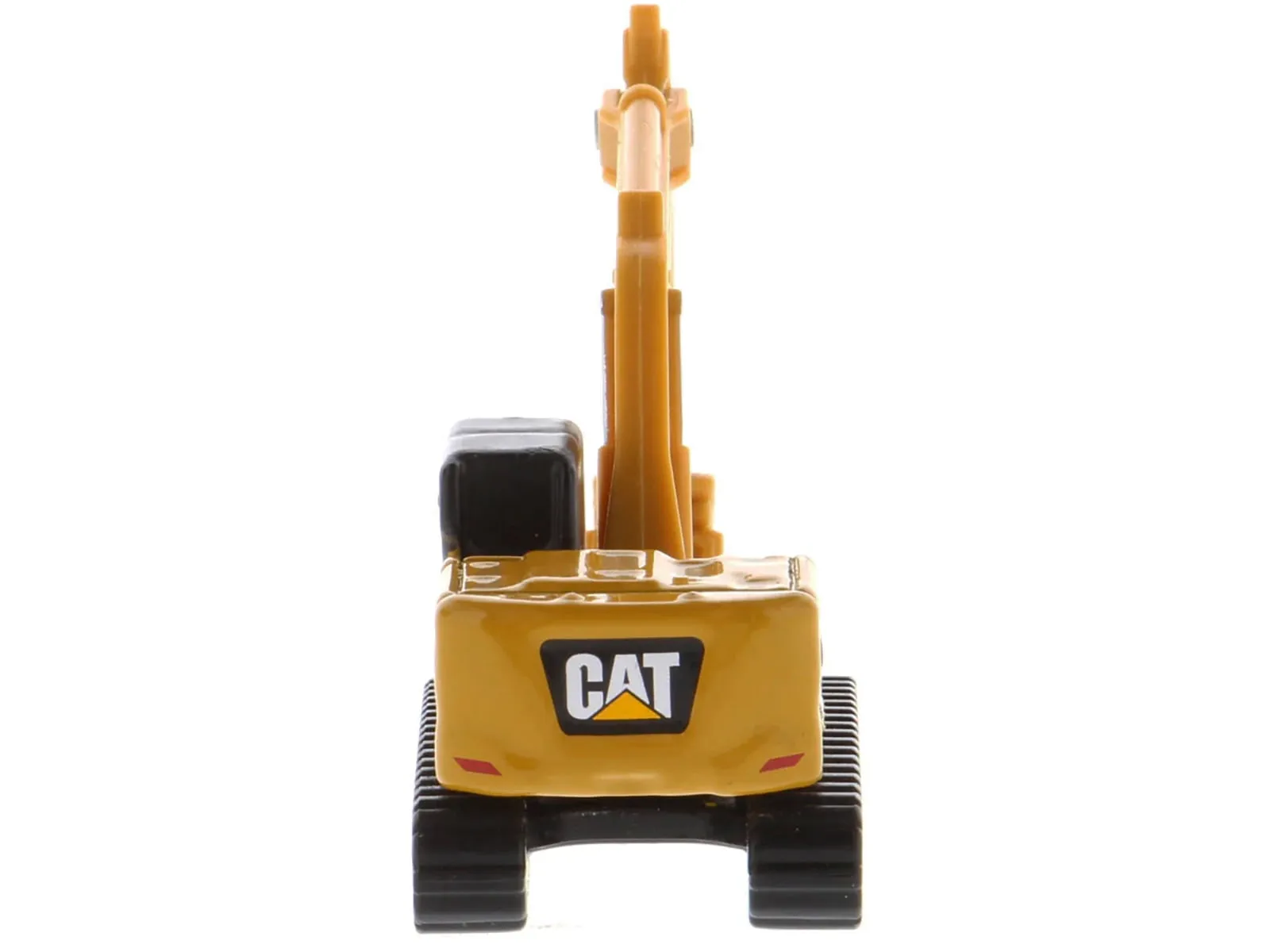
Choosing the Right Cat Diecast Paint
Painting a cat diecast model can be a rewarding hobby, transforming a simple toy into a detailed masterpiece. The key to a fantastic finish, however, lies in selecting the right paint. Several factors influence your choice, including the desired finish, the level of detail you aim for, and your experience level. Understanding the different paint types available is the crucial first step. This section will guide you through the essentials of choosing the best paint for your cat diecast project, ensuring a smooth, durable, and visually appealing result. From understanding the characteristics of various paint types to considering factors like drying time and ease of application, choosing the right paint is where it all begins.
Understanding Paint Types for Cat Diecast
Different paint types offer unique properties, impacting the final appearance and durability of your model. Each type has pros and cons, so the optimal choice depends on your specific project needs and skill level. Some paints provide excellent coverage, while others offer superior detail resolution. The choice also hinges on the tools you plan to use for application, such as an airbrush or a traditional brush. Therefore, knowing the characteristics of each paint type is essential for making an informed decision.
Acrylic Paints

Acrylic paints are water-based and known for their low odor and ease of use. They dry quickly, making them ideal for beginners and those who prefer to work in stages. Acrylics provide good coverage and can be thinned with water or acrylic thinners, allowing for versatile application methods like brushing and airbrushing. They are also easy to clean up with water. However, acrylic paints might not be as durable as other types and can sometimes be prone to chipping if not properly sealed. Proper preparation and the use of a primer are crucial when working with acrylics. They come in various finishes like matte, satin, and gloss, offering a range of aesthetic options for your Cat diecast models.
Enamel Paints
Enamel paints are oil-based and known for their excellent durability and resistance to wear and tear. They offer a smooth, glossy finish that’s perfect for replicating the look of real vehicles. Enamels require the use of solvents for thinning and cleaning, which can have a strong odor. The drying time is slower compared to acrylics, but this allows for better blending and more forgiving application, especially for beginners. These paints are well-suited for brush painting, and they are highly resistant to scratches. Because of their durable nature, enamels often result in a finish that is resistant to the elements.
Lacquer Paints
Lacquer paints are solvent-based and known for their fast drying times and incredibly smooth finishes. They are favored for their ability to provide a high-gloss appearance, often used for automotive models. However, lacquers require careful handling due to their strong fumes and are typically thinned with specific lacquer thinners. They are highly sensitive to solvents and other chemicals, and it is necessary to apply multiple thin coats to achieve optimal results. Lacquers are generally best applied using an airbrush to control the finish. Their quick drying time allows for efficient project completion, but it also means you must work quickly and precisely.
Surface Preparation for Cat Diecast

Proper surface preparation is the most critical step in achieving a professional-looking paint job on your cat diecast model. No matter the quality of the paint, if the surface isn’t properly prepared, the paint will not adhere correctly, and imperfections will be amplified. This section outlines essential preparation techniques, including cleaning, degreasing, and sanding. By following these steps meticulously, you’ll create a surface that allows the paint to bond effectively, resulting in a durable and flawless finish.
Cleaning and Degreasing the Diecast
Before painting, the cat diecast model must be thoroughly cleaned to remove any dirt, grease, or mold release agents left from the manufacturing process. These contaminants can prevent the paint from adhering properly. Use warm, soapy water (dish soap works well) and a soft brush to scrub the model gently. Rinse thoroughly and let it dry completely. For more stubborn grease, isopropyl alcohol can be used. Always wear gloves to avoid transferring oils from your skin to the model. Cleaning ensures that the paint will bond effectively, promoting a smooth and even finish. This step is crucial for the longevity and aesthetic quality of the paint job.
Sanding the Diecast Surface
Sanding is essential to create a slightly rough surface that allows the primer and paint to adhere better. Use fine-grit sandpaper (around 400-600 grit) for this process. Gently sand the entire surface of the model, paying particular attention to areas that might be damaged or have imperfections. Sand in small, circular motions and apply light pressure to avoid removing too much material. Remove sanding dust with a tack cloth or compressed air. Sanding also helps remove any imperfections and prepares the surface for the primer, leading to a smoother finish and allowing the paint to adhere properly. This will significantly affect the final look of your cat diecast model.
Priming Your Cat Diecast

Priming is a critical step in the painting process, providing a base coat that enhances adhesion, ensures even coverage, and protects the surface from corrosion. Primers also fill in minor imperfections, creating a smoother surface for the topcoat. The choice of primer depends on the type of paint you intend to use and the desired finish. Applying primer correctly is essential for achieving a professional look on your cat diecast model. Without a primer, the paint might chip easily, and the finish will not be as durable or smooth.
Why Priming is Essential
Priming serves multiple important functions. Firstly, it provides a bonding layer that allows the paint to adhere securely to the diecast metal, preventing chipping and peeling. Secondly, it helps to even out the surface, filling in minor scratches and imperfections to create a smoother base for the paint. Thirdly, primer can help protect the metal from corrosion. Finally, it ensures that the topcoat color is true and consistent, as it provides a uniform base for the color to be applied. Skipping priming will result in a sub-par finish and reduced durability for your cat diecast.
Types of Primers
Several types of primers are available, each with its own advantages. Acrylic primers are water-based, easy to use, and have low odor, making them ideal for beginners. Enamel primers offer excellent durability and are suitable for enamel paints. Lacquer primers dry quickly and provide a smooth surface, but they require extra care due to their solvents. The best primer choice depends on the type of paint you are using and your specific needs. Consider the finish you want to achieve and the application method you will use to choose the correct type of primer for your cat diecast model. Always follow the manufacturer’s instructions when using any primer.
Applying Paint to Your Cat Diecast

Once the surface is prepared and primed, it’s time to apply the paint. The method you choose will affect the final appearance of your model. Whether you are using an airbrush or a brush, the goal is to achieve a smooth, even finish. The following techniques will help you apply the paint properly and prevent common problems, such as runs, drips, and uneven coverage. Patience and practice are key to mastering the painting process, so take your time and enjoy the process.
Thinning and Mixing Paints
Thinning your paints is essential for achieving a smooth and even finish, especially when airbrushing. Proper thinning allows the paint to flow easily through the airbrush and prevents clogging. The ideal thinning ratio varies depending on the paint type and the manufacturer’s recommendations. Generally, for acrylic paints, you can use water or a specific acrylic thinner. Enamel paints require enamel thinners, while lacquer paints require lacquer thinners. Mix the paint and thinner thoroughly until you achieve a milk-like consistency. Mixing paints accurately ensures consistent color and optimal application, preventing issues like orange peel or uneven color distribution. Always use a mixing stick to ensure a homogenous mixture and consistency.
Application Techniques
The way you apply the paint greatly impacts the final result. Airbrushing and brush painting each have their advantages. Airbrushing provides a smoother, more even finish, while brush painting is suitable for smaller details and touch-ups. Regardless of the method you choose, apply thin, even coats of paint, allowing each coat to dry completely before applying the next. This prevents runs and drips, and ensures that the paint adheres properly. Multiple thin coats are always better than one thick coat. Proper application, combined with the right paint choice, can transform your cat diecast model into a stunning replica.
Airbrushing Techniques

Airbrushing is ideal for achieving a professional-looking finish on your cat diecast model. It allows for precise control over paint application and creates a smooth, even surface. When airbrushing, maintain a consistent distance between the airbrush and the model, and use smooth, even strokes. Avoid spraying too much paint in one area, as this can lead to runs and drips. Practice on a test surface before applying the paint to the model. Applying multiple thin coats, allowing each coat to dry fully, will result in a durable and visually appealing finish. Airbrushing requires practice, but the results are well worth the effort.
Brush Painting Techniques
Brush painting is a viable option for smaller details and for those without access to an airbrush. Use a high-quality brush designed for model painting. Thin your paints properly to prevent brush strokes from appearing on the model. Apply thin, even coats and allow each coat to dry completely. For flat surfaces, brush in one direction to minimize brush marks. For details, use a fine-tipped brush and take your time. Brush painting requires a steady hand and patience, but it can be a cost-effective way to paint your cat diecast model and achieve great results.
Achieving a Smooth Finish
The final step in creating a masterpiece is achieving a smooth and flawless finish. This involves addressing any imperfections that may have occurred during the painting process, such as dust particles, runs, or uneven patches. The following techniques will help you correct these issues and achieve the desired look. Patience and attention to detail are essential during this stage, as it significantly impacts the final quality of your cat diecast model.
Dealing with Imperfections

Even with the best preparation and application techniques, imperfections can sometimes occur. Dust particles, runs, and uneven patches are common challenges. To fix these issues, allow the paint to dry completely, then use fine-grit sandpaper (1000-2000 grit) to gently sand down any imperfections. Be careful not to remove too much paint. After sanding, you might need to apply another thin coat of paint to cover any areas you’ve sanded. For runs, gently sand them down until they are level with the rest of the surface. The key is to work slowly and carefully, correcting the flaws while maintaining the integrity of the paint job.
Polishing and Detailing
Once the paint is completely dry and any imperfections have been addressed, polishing can enhance the shine and appearance of your cat diecast model. Use a polishing compound specifically designed for model cars, and apply it with a soft cloth. Gently rub the compound onto the painted surface in small, circular motions. After polishing, you can apply a clear coat to protect the paint and give it extra shine. Detailing involves adding small touches, such as highlighting panel lines, adding decals, and using washes to enhance specific features. These final touches can dramatically improve the overall look of your model, turning a simple cat diecast into a stunning replica.